
Reading time
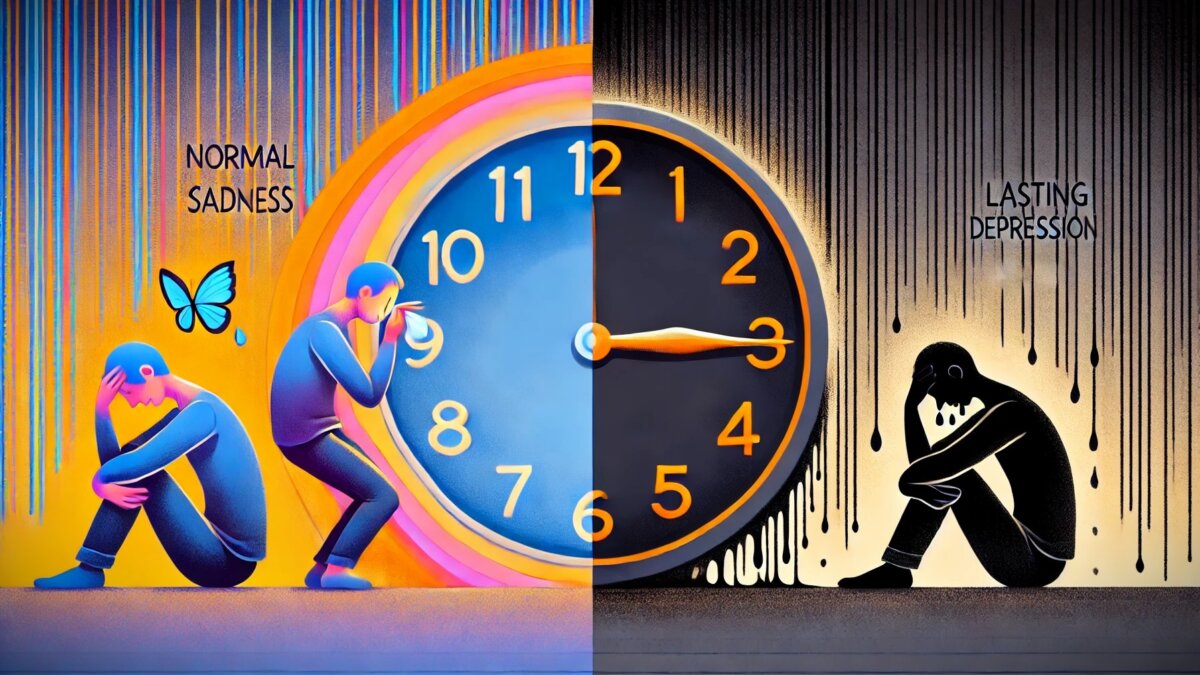
Sadness is a basic human emotion that each of us experiences at different stages of our lives. Whether it is the loss of a loved one, the end of a relationship or disappointments in professional life, sadness is a part of life. However, this sadness is usually temporary and of limited duration. Clinical depression, on the other hand, is much more than just sadness. It is a serious mental illness that can significantly affect daily life and requires professional support.
In this in-depth article, I will explain the differences between normal sadness and depression. In doing so, I focus on the duration, intensity and impact on daily life. The goal is to create a better understanding of how both conditions differ to help people who may be struggling with depression but don't recognize it as such.
What is temporary sadness?
Sadness is a normal emotional response to difficult or disappointing situations in life. Everyone experiences periods of sadness throughout their life, and this is a healthy and natural emotional response. Temporary sadness often occurs in connection with certain events, such as:
- Loss of a loved one
- Separation from an important relationship
- Problems or challenges at work
- Disputes with friends or family members
- Disappointments in various areas of life
Characteristics of temporary sadness:
- Duration: Sadness is usually short-lived and diminishes once the stressful situation has been dealt with or processed. It can drag on for hours or days, but disappears when the trigger is no longer present or internal processing has taken place.
- Intensity: The intensity of sadness varies depending on the situation, but tends to soften as time passes. People can often feel better again through positive distractions, talking to friends, or returning to their normal daily activities.
- Adaptability: Even though sadness is stressful, most people are able to continue to function and do their everyday tasks. You can go to work, talk to friends and handle everyday tasks.
- Improvement through positive experiences: People who are sad can still find joy in positive experiences, such as a nice evening with friends or a walk in nature.
What is depression?
Depression is more than just a feeling of sadness. It is a serious mental illness that affects a person's entire life. Unlike normal sadness that passes, depression is persistent and severely affects daily life.
The symptoms of depression are comprehensive and affect not only emotions, but also thinking, behavior, and even physical health. The main features of depression include:
- Persistent sadness: Sadness lasts for weeks or months without any clear improvement. Even when external circumstances improve, feelings of hopelessness persist.
- Loss of interest: People with depression lose interest in things they used to enjoy. Hobbies, social activities or even the profession suddenly seem meaningless.
- Drivelessness: Depression often leads to an extreme lack of energy and motivation. Even simple tasks like getting out of bed or brushing your teeth can seem overwhelming.
- Sleep disorders: Both insomnia and excessive sleep can be signs of depression. Many people with depression have difficulty finding a restful sleep.
- Loss of self-esteem: People with depression often have a greatly diminished sense of self-esteem and the feeling of being worthless. They feel guilty and unable to cope with their problems.
- Thoughts of suicide or death: In severe cases, people with depression think of taking their own lives or wishing for death as a way out of their suffering.
Differences in duration and intensity
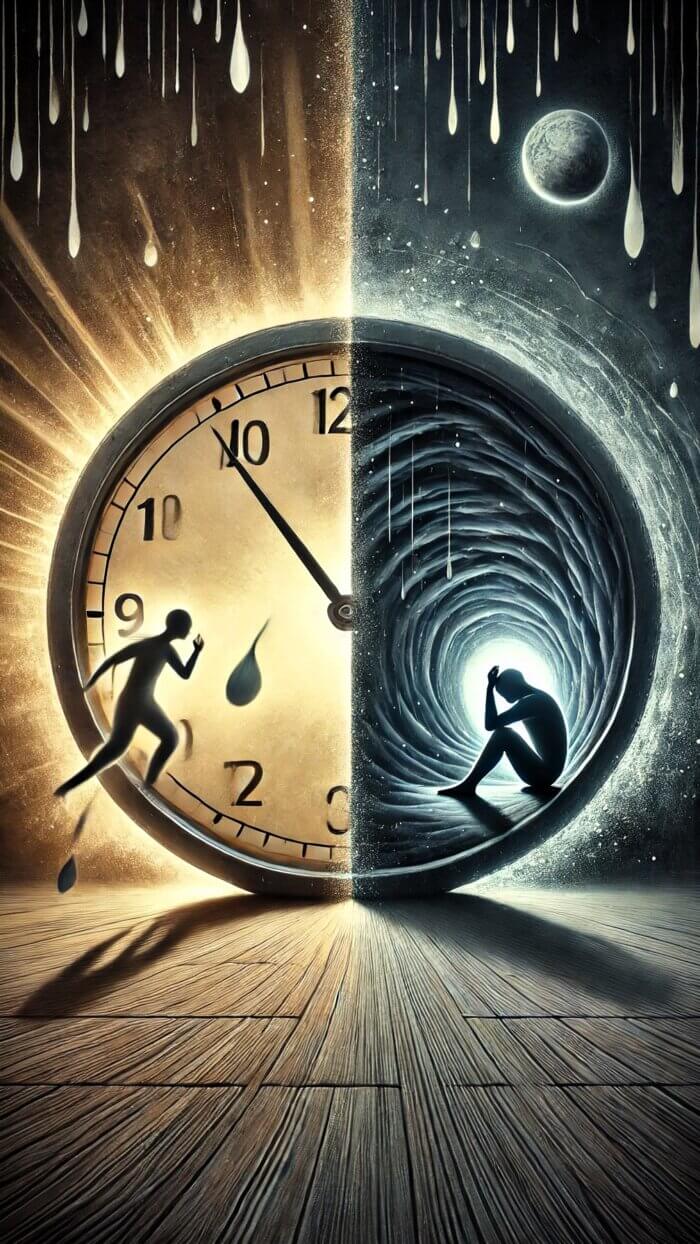
One of the most important differences between sadness and depression is the duration of symptoms. While sadness is often triggered by an event and subsides after some time, depression persists for a long time. Here are some differences in detail:
1. Duration:
- Sadness: Sadness usually lasts only a few days to a maximum of a few weeks. It sounds on its own when the trigger has been processed or overcome.
- Depression: Depression lasts at least two weeks and often for months or even years. Without treatment, it can become chronic and worsen further.
2. Intensity:
- Sadness: The intensity of sadness can vary, but positive experiences and support from friends or family can often soften feelings.
- Depression: The feelings of dejection are extremely intense and persistent. People with depression often experience no relief, even when trying to distract themselves or seek help.
3. Trigger:
- Sadness: Sadness is often tied to specific triggers or events, such as the loss of a loved one or professional disappointments. As soon as the trigger is processed, the sadness subsides.
- Depression: Depression can occur without noticeable triggers. There are often no clear external factors that could explain the condition.
Impact on daily life
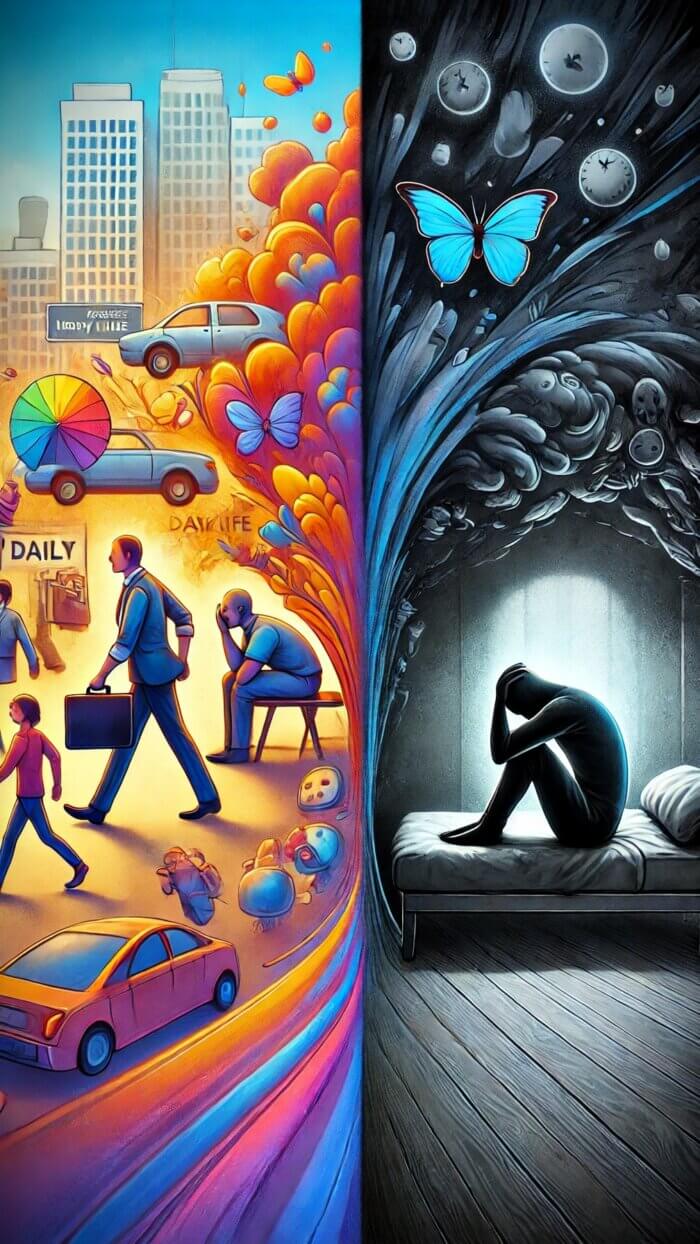
Another crucial differentiator between depression and sadness is the way both conditions affect daily life. Sadness is unpleasant, but most people are able to continue to fulfill their obligations. Depression, on the other hand, has profound effects on almost every aspect of life.
1. Function in everyday life:
- Sadness: People who are sad can usually continue to cope with their everyday lives. They go to work, meet with friends and do everyday tasks, even if they find it harder.
- Depression: People with depression often have great difficulty coping with everyday life. They can't go to work, have trouble caring for their family, and are often unable to complete simple tasks.
2. Relationships:
- Sadness: In sadness, people often seek contact with others to find comfort and support. They share their feelings with friends and family, which often leads to relief.
- Depression: People with depression tend to withdraw. They often feel isolated and alienated from their fellow human beings, which can increase loneliness and feelings of despair.
3. Physical symptoms:
- Sadness: Sadness rarely manifests itself in physical discomfort, apart from occasional fatigue or a feeling of weakness.
- Depression: Depression leads to numerous physical symptoms such as insomnia, changes in eating behavior, chronic fatigue, and physical pain that have no clear cause.
The misunderstanding: “You are only sad”
A common misconception about depression is that people who suffer from it are simply ‘sad’ and only need to ‘think more positively’ to feel better. However, this assumption misunderstands the seriousness and complexity of depression. While sadness is a normal emotional response to stressful life events, depression is a profound disorder that requires medical and therapeutic treatment.
The problem of such misunderstandings: People who suffer from depression often feel misunderstood when their condition is equated with normal sadness. This can make them feel ashamed to seek help, or try to suppress their symptoms instead of seeking professional support.
Why It's Important to Know the Difference
The difference between depression and sadness may not be obvious at first glance, but it is crucial to understand this difference in order to provide the right support to those affected. Many people suffering from depression may not realize that they are more than just ‘sad’. This can lead to delayed treatment, which in turn can worsen symptoms.
The importance of early detection: Depression, if left untreated, can have serious consequences for mental and physical health. Suicidal thoughts and attempts are unfortunately not uncommon in advanced cases of depression. This makes it all the more important to know the difference between temporary sadness and clinical depression and to take early action.
When should I seek professional help?
It is important to know when to seek professional help. If the following signs occur, it is advisable to consult a doctor or therapist:
- Feelings of sadness last longer than two weeks and do not improve.
- There is a persistent loss of interest in activities that are usually enjoyable.
- Persistent insomnia, whether it's insomnia or excessive sleep.
- Strong drivelessness and fatigue, which complicates the completion of everyday tasks.
- Thoughts of suicide or the desire to no longer live.
An open conversation with a doctor or psychologist can be the first step on the path to healing. Depression is a treatable disease, and the earlier treatment begins, the better the chances of recovery.
Treatment Options for Depression
Unlike temporary sadness, which often subsides on its own, depression usually requires professional treatment. There are various therapeutic approaches that can be used depending on the severity of depression:
- Psychotherapy: Cognitive behavioral therapy (CBT) is one of the most commonly used forms of therapy for depression. It helps those affected to recognize and change negative thought patterns.
- Medications: Antidepressants can help correct the chemical imbalance in the brain, which is often associated with depression. They are usually used together with psychotherapy.
- Self-help and support: Groups for people with depression offer the opportunity to exchange ideas and find support with other sufferers.
Conclusion: Depression and sadness are not the same thing.
Although sadness is a normal and healthy response to difficult life events, it must not be confused with clinical depression. Depression is a serious disease that can severely affect the lives of those affected. The main difference lies in the duration, intensity and impact on daily life. While sadness often passes by itself, depression requires professional help and support.
It is important to recognize the signs of depression early in order to ensure the best possible treatment. Only through a better understanding of depression and its demarcation from normal sadness can we provide those affected with the help they need.
Discover more from LautFunk Podcast & Blog
Subscribe to get the latest posts sent to your email.

 English