
Reading time
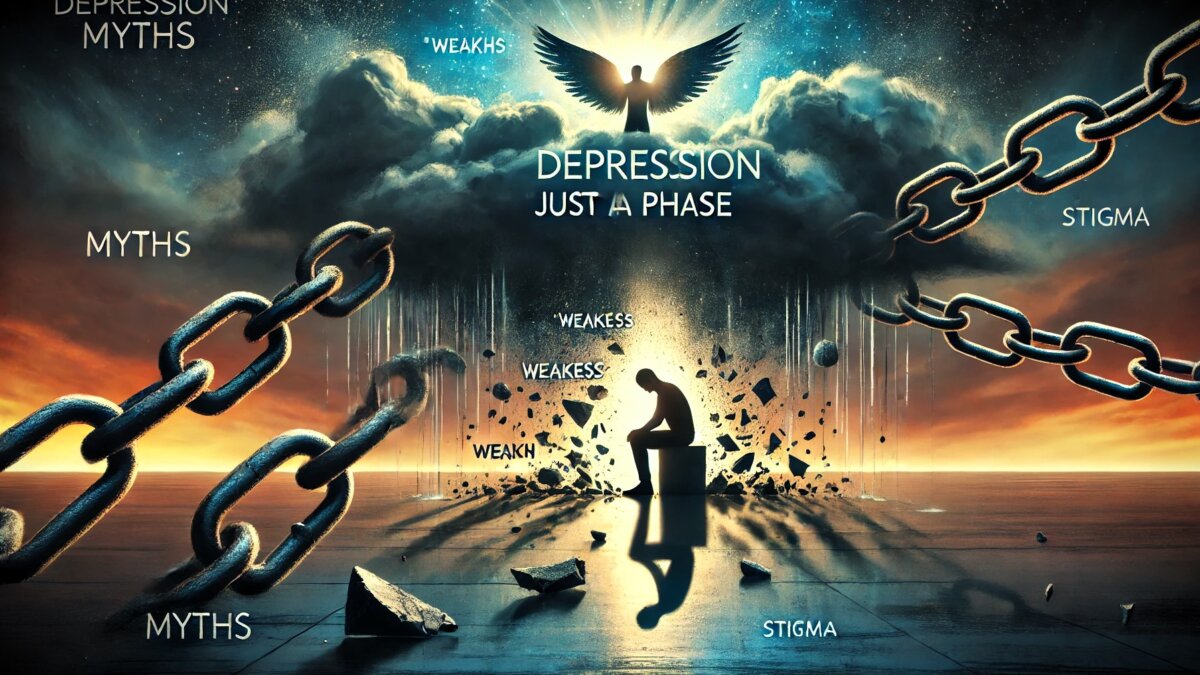
depression are widespread in our society, but despite their frequency, there are still many myths and misconceptions circulating about this serious mental illness. Such false assumptions often lead to stigma, insufficient support and lack of understanding towards those affected. In this blog post, I will shed light on some of the most popular myths about depression, provide explanations based on scientific evidence, and show why these misconceptions are harmful.
What is depression really?
Before we go into the myths, we should first clarify what depression actually is. Depression is much more than mere sadness or a ‘bad phase’ that every person goes through in their life. According to the World Health Organization (WHO), depression is a serious mental disorder characterized by persistent sadness, loss of interest, loss of energy, and a sense of worthlessness.
Depression affects the whole person, both physically and mentally. It affects thinking, behavior and physical health. People with depression have difficulty coping with everyday tasks and often feel isolated and helpless. It is not just a temporary mood swing, but a serious condition that requires professional help. However, there are many misconceptions about what constitutes depression and who is affected by it.
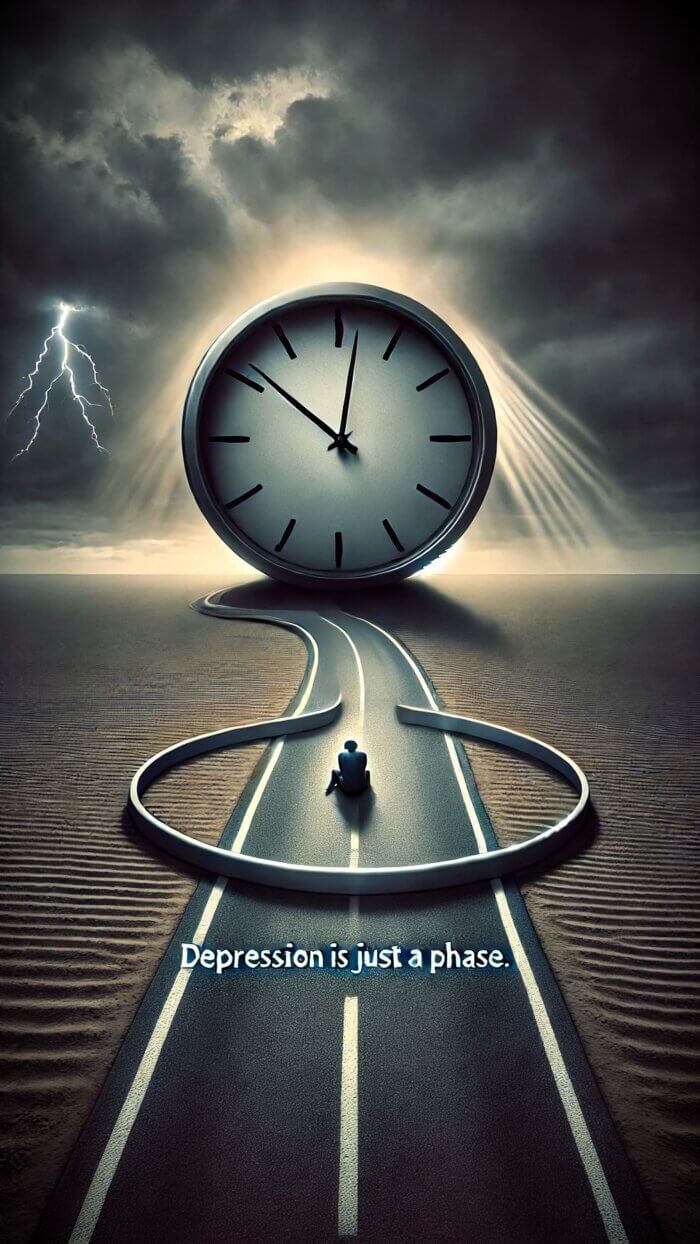
Myth 1: "Depression is just a phase"
A very common myth about depression is that it is only a temporary phase that passes by itself if you are simply strong enough or "tearing up". You often hear statements such as ‘You will soon feel better again’ or ‘This is over’. But this myth ignores the complexity of clinical depression.
Why this myth is wrong:
Depression is a serious mental illness that needs to be treated. Without professional support – whether through psychotherapy, medication or a combination of both – depression can last for months or even years and, at worst, become chronic. It is not a phase that simply passes with time, but a disease that can have a lasting impact on a person's life.
An example: A person who feels sad for a few days after a disappointment experiences a normal emotional response. A person with depression, on the other hand, feels a deep sadness over a long period of time, without there having to be an obvious external cause for it. This sadness can be so intense that even everyday tasks like getting out of bed or brushing your teeth seem like an insurmountable challenge.

Myth 2: "Only weak people become depressed"
Another persistent misconception is the notion that only weak people suffer from depression. It is often assumed that people suffering from this disease are simply too sensitive, too emotional or psychologically not strong enough to deal with the challenges of life.
Why this myth is wrong:
Depression has nothing to do with weakness. In fact, anyone can suffer from depression regardless of their emotional strength or mental resilience. Studies show that depression can be triggered by a variety of factors, including genetic predisposition, biochemical imbalances in the brain, traumatic events, prolonged stress, and physical illness. Strong people who have mastered many challenges in their lives can be just as affected by depression as people who are considered emotionally unstable.
An example: Winston Churchill, one of the most important statesmen in history, suffered from severe depression, which he described as his ‘black dog’. Despite his immense mental strength and great success in politics, he could not escape the depression. This shows that depression has nothing to do with weakness, but is a disease that can affect even the strongest people.
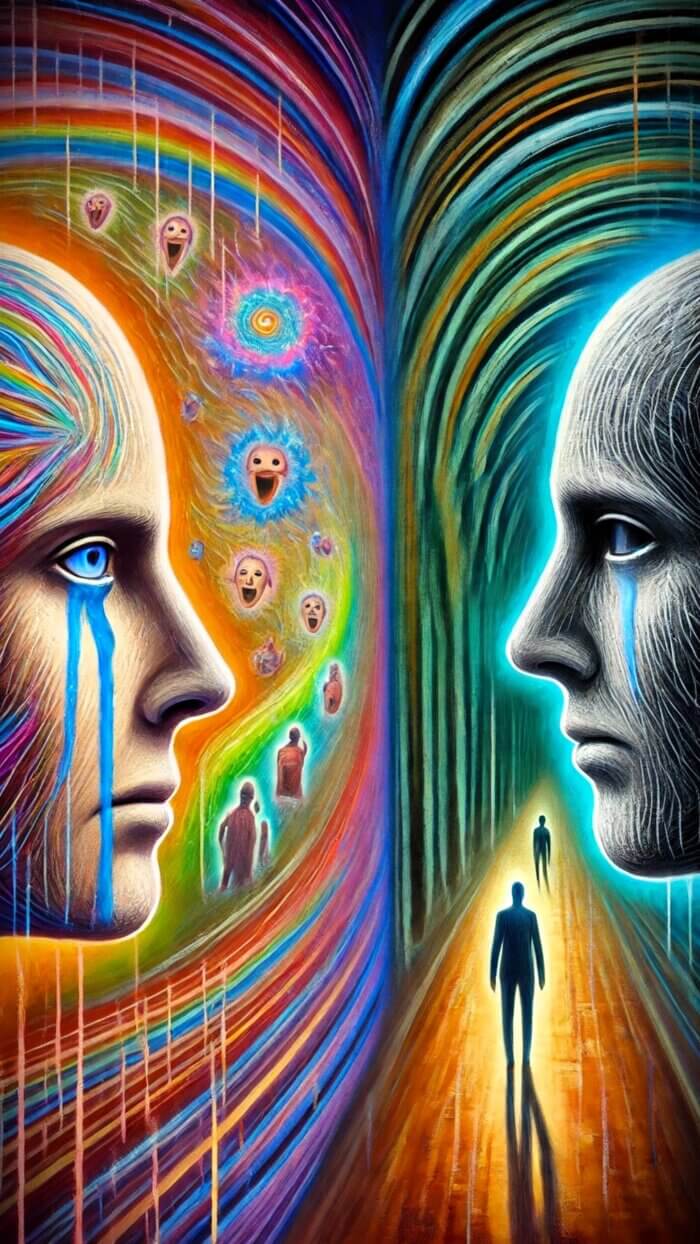
Myth 3: "Depression is the same as sadness"
Depression is often equated with sadness. Many people believe that someone who is depressed is simply sad, and that these feelings disappear by themselves over time. In reality, sadness is just one aspect of depression, and often people with depression don't even feel sad, but rather feel empty or apathetic.
Why this myth is wrong:
Depression is a complex condition that goes far beyond the feeling of sadness. While sadness is a normal emotional response to stressful events, such as losing a loved one or ending a relationship, depression is much more profound. It affects not only the emotions, but also the thinking and the body. People with depression often experience listlessness, insomnia, concentration problems, decreased self-esteem and, in severe cases, even suicidal thoughts.
An example: A person who is sad can still find joy in positive events or feel better through the support of friends and family. Someone with depression, on the other hand, cannot feel joy even in beautiful moments. Activities that used to be fun lose their appeal, and the ability to feel positive feelings is severely impaired.
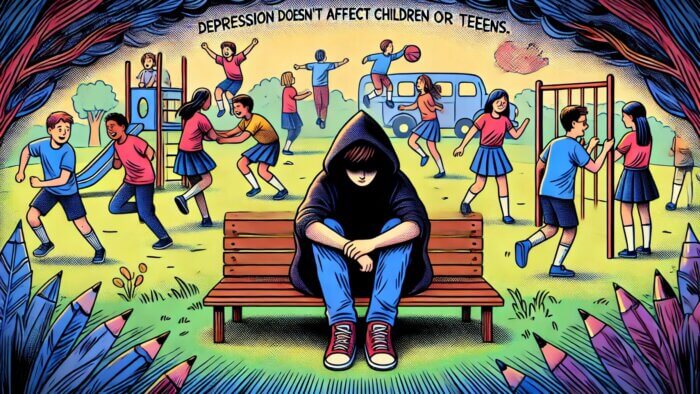
Myth 4: "Depression affects adults only"
There is also a common misconception that only adults are affected by depression. Many people believe that children and adolescents are still too young to have serious emotional problems, and that their mood swings are only part of growing up.
Why this myth is wrong:
Children and adolescents can suffer from depression just as much as adults. In fact, studies show that about 3-5 % Children and adolescents worldwide suffer from depression. However, their symptoms may be different from those of adults. Instead of persistent sadness, they can show irritability, anger, or aggressive behavior, for example. It is important to detect depression in young people early, as untreated depression increases the risk of further mental illness in adulthood.
An example: A 15-year-old teenager who suddenly deteriorates his school performance, withdraws from friends and often reacts aggressively could suffer from depression. It is important to take such behavioural changes seriously and seek professional help instead of dismissing them as ‘normal’ teenage problems.

Myth 5: “Depression can be overcome simply by thinking positively”
Many people believe that depression can be overcome simply with positive attitude or mental discipline. Statements such as ‘You just need to think more positively’ or ‘Get together’ are common when someone with depression talks about their feelings.
Why this myth is wrong:
Although a positive attitude can be helpful in overcoming many challenges in life, it is not enough in treating depression. Depression is often associated with biochemical changes in the brain that cannot be corrected by positive thinking alone. A combination of psychotherapy, drug treatment, and social support mechanisms is often necessary to manage depression. The mere ‘consolidation’ or ‘positive thinking’ ignores the seriousness of the disease and can isolate the person concerned even further, as they feel misunderstood.
An example: A person with severe depression cannot simply force himself to think positively. Even if she tries to be optimistic, the deep-seated feelings of hopelessness and worthlessness will often persist until she receives the necessary medical or psychological help.
Conclusion: Informed treatment of depression is essential
Exposing these myths is the first step towards a better understanding of depression. Depression is a serious condition that can affect anyone, regardless of age, gender, or strength. It requires professional treatment and compassion from family, friends and society. Instead of labeling people with depression as ‘weak’ or ‘too sensitive’, we should strive to support them and help them get the help they need.
It's time to end the stigma and create a better awareness of depression. Each of us can contribute by speaking more openly about mental health and clearing up the myths and misconceptions about depression. Only in this way can we create a society that offers understanding and support for those affected.
Depression is not a weakness – it is a challenge that can be tackled with the right support.
Discover more from LautFunk Podcast & Blog
Subscribe to get the latest posts sent to your email.

 English
@sascha Good article, even if you can only scratch the surface on this topic. Most who don't suffer from it can't get a real picture of what it is as long as they don't experience it.
Remote Reply
Original Comment URL
Your Profile
Why do I need to enter my profile?
This site is part of the ⁂ open social web, a network of interconnected social platforms (like Mastodon, Pixelfed, Friendica, and others). Unlike centralized social media, your account lives on a platform of your choice, and you can interact with people across different platforms.
By entering your profile, we can send you to your account where you can complete this action.
I totally agree with you, as long as you don't care about yourself, it's hard to understand. Even with people who are important, they often can't.
Thank you for your lovely comment 👍