

| transcript | |
|---|---|
|
00:00 - 0:00:07
Yes, welcome to "Klarfunk", a new format. Some issues are too important for the
|
|
|
0:00:07 – 0:00:16
quick response. Some questions only start where others stop looking. "Klarfunk",
|
|
|
0:00:16 – 0:00:27
We're talking about it. How do I get to the topic of today's podcast for the beginner sequence?
|
|
|
0:00:27 – 0:00:40
Ha! That's super easy. I saw last Sunday how hatred connects.
|
|
|
0:00:40 – 0:00:48
And I've always thought all my life, love connects people. But no,
|
|
|
0:00:48 – 0:00:52
I was taught better. I've seen how hate connects.
|
|
|
0:00:52 – 0:01:01
Sure, clear sparks. Not around it. Don't just go on. Not just loud. questioning.
|
|
|
0:01:01 – 0:01:11
Clearly sparks. Let's talk about it.
|
|
|
0:01:11 – 0:01:24
One or the other will notice this if he also follows the blog. I have one
|
|
|
0:01:24 – 0:01:33
I wrote this blog post a month ago where it was posted.
|
|
|
0:01:33 – 0:01:46
It's about love and hate and whether hate is the opposite of love. And that's what I tried
|
|
|
0:01:46 – 0:01:54
to be broken down into philosophical senses or even psychological senses and also have a
|
|
|
0:01:54 – 0:02:02
A bit of society as it is seen from a social point of view. This
|
|
|
0:02:02 – 0:02:08
What's interesting about this is whether you're talking about social media or social media.
|
|
|
0:02:08 – 0:02:20
YouTube, where my entry just comes from, what have the biggest fans and the
|
|
|
0:02:20 – 0:02:28
The biggest hater of a social media account or a YouTube channel together. White
|
|
|
0:02:28 – 0:02:40
Does anyone know? Biola? Biola? Okay. Both watch each video to the end, subscribe to the
|
|
|
0:02:40 – 0:02:50
Notifications and comments very diligently. That's the way it is. And that's also somehow
|
|
|
0:02:50 – 0:03:00
Such an everyday paradox. As I said earlier, many believe hatred is the opposite of love or love.
|
|
|
0:03:00 – 0:03:10
affection. If we don't like someone, we should avoid them. This is the real
|
|
|
0:03:10 – 0:03:24
It's a matter. Some are so smart and avoid these people or on social media, YouTube and have
|
|
|
0:03:24 – 0:03:31
If you don't see them, then you avoid this channel or this account and then you also have
|
|
|
0:03:31 – 0:03:41
A little more calm. But somehow it's different on the internet. On social media, on YouTube,
|
|
|
0:03:41 – 0:03:53
It's the other way around. People look at other people for hours and consume
|
|
|
0:03:53 – 0:04:01
Everything, even though they hate it. I mean, it's clear why they do that. You need
|
|
|
0:04:01 – 0:04:10
Hold on to input to get excited about it again. Same with your favorite content creators.
|
|
|
0:04:10 – 0:04:22
This works for the hate object, for the hate-watching victims. You have things,
|
|
|
0:04:22 – 0:04:28
What you can exchange. You can participate in the livestream or even discuss your
|
|
|
0:04:28 – 0:04:39
express opinions. You can take part in discussion forums – ok, that used to be – nowadays you will stop
|
|
|
0:04:39 – 0:04:49
discuss it on Instagram groups, in WhatsApp groups, in private groups,
|
|
|
0:04:49 – 0:04:58
what you see right now, almost like live tickers and get upset about it and just like stop
|
|
|
0:04:58 – 0:05:08
The content creator you admire is also the one you don't like.
|
|
|
0:05:08 – 0:05:23
Or even already have. This is also a kind of connection. It's an anti-fandom bond.
|
|
|
0:05:23 – 0:05:29
Some people don't even know what hate-watching is. Hate-watching is conscious.
|
|
|
0:05:29 – 0:05:36
Consuming content just to get excited about it. You can do that on Trash TV.
|
|
|
0:05:36 – 0:05:50
see if controversial influencers do strange things on the Internet or even with opinion bloggers
|
|
|
0:05:50 – 0:05:52
or YouTube content creators.
|
|
|
0:05:52 – 0:05:55
You can get really upset about it.
|
|
|
0:05:55 – 0:06:03
We also have our experience with it, because we ourselves were once part of such a, yes,
|
|
|
0:06:03 – 0:06:13
The anti-fan construct. The interesting thing is, structurally speaking, the antifan behaves
|
|
|
0:06:13 – 0:06:22
Just like the superfan. Only the fan who watches everything because he likes to watch and like it or even
|
|
|
0:06:22 – 0:06:32
He also loves and the anti-fan looks at everything because he is looking for mistakes to indignate himself about it.
|
|
|
0:06:32 – 0:06:43
The interesting thing is that the algorithms do not care if you look and comment
|
|
|
0:06:43 – 0:06:51
or write in the live chat, give a thumb up, a thumb down. Everything is an interaction
|
|
|
0:06:51 – 0:07:05
It gives and evaluates the channel's benefits. Because any kind of interaction, even if it's just that
|
|
|
0:07:05 – 0:07:13
hours of watching live streams, shows the algorithm that what is happening there,
|
|
|
0:07:13 – 0:07:21
It has some relevance. It doesn't matter if it's positive or negative. interaction;
|
|
|
0:07:21 – 0:07:31
Action right where the video or post is important. I think some people are unaware of that.
|
|
|
0:07:31 – 0:07:46
Ignorance would be the way to go. Do not consume, do not comment and in no case like or
|
|
|
0:07:46 – 0:07:56
which is also particularly bad, the link to the post or the YouTube video or the live stream to
|
|
|
0:07:56 – 0:08:05
share. After all, if you look at this, you have the URL to the post in question.
|
|
|
0:08:05 – 0:08:14
and behind it a special identifier. And so the origin is made visible who shared what
|
|
|
0:08:14 – 0:08:22
has. That's why you can also see in the statistics on YouTube, on Instagram and so on,
|
|
|
0:08:22 – 0:08:35
how many visitors or how much traffic internally via the feed, via the subscribers or even
|
|
|
0:08:35 – 0:08:43
It comes externally. And even there you can resolve whether it just comes from WhatsApp or you don't have
|
|
|
0:08:43 – 0:08:53
seen. Many simply forget this and every interaction is positive for the algorithm.
|
|
|
0:08:53 – 0:09:03
But why do people do it? Well, the super fan who loves his content creator, who makes
|
|
|
0:09:03 – 0:09:13
It's because he has a connection with you. I don't want to go parasocial yet.
|
|
|
0:09:13 – 0:09:22
Connections out. But in general, if you like someone, you support them and you want to do it.
|
|
|
0:09:22 – 0:09:30
see. Why does the anti-fan do this? Well, that's kind of a community. community
|
|
|
0:09:30 – 0:09:42
through hatred. There is this talk of in-group and out-group, we against them. Yes, it makes special
|
|
|
0:09:42 – 0:09:52
Have fun when a reaction is made on a video or on a livestream of a content creator
|
|
|
0:09:52 – 0:10:00
It's about the content of someone you don't like. Then you can even stay in the
|
|
|
0:10:00 – 0:10:09
Community upset about it and a very strong we-feeling arises. It doesn't have to either
|
|
|
0:10:09 – 0:10:17
be a video of the content creator you don't like or a post,
|
|
|
0:10:17 – 0:10:22
Which is being disassembled. It can also be easy to get together.
|
|
|
0:10:22 – 0:10:31
When someone else, a third or a fourth person, looks at something and reacts to it.
|
|
|
0:10:31 – 0:10:40
About the one you're an anti-fan of, what they say. This simply strengthens the sense of togetherness. Find
|
|
|
0:10:40 – 0:10:48
I am very fascinated to look at these dynamics and analyze them. As I said,
|
|
|
0:10:48 – 0:10:56
We were, or still are, part of it, just different. An interesting thing about it is yes
|
|
|
0:10:56 – 0:11:06
Even if you are only dealing with a content creator monothematically, be it in the
|
|
|
0:11:06 – 0:11:17
positive senses or even negative senses, then this can even go so far that the identity
|
|
|
0:11:17 – 0:11:30
It becomes a central pillar, so that this person almost lives in the head. There is yes
|
|
|
0:11:30 – 0:11:39
In fact, this saying "I believe person X lives in person Y in the head" is there every day. And
|
|
|
0:11:39 – 0:11:47
Yes, I can confirm this and this is a very big issue, especially with the anti-fans. Since then
|
|
|
0:11:47 – 0:11:58
my partner and I have changed sides in the spirit of our anti-fans,
|
|
|
0:11:58 – 0:12:07
We actually live in some people's minds and have to deal with every content, every video,
|
|
|
0:12:07 – 0:12:15
They are mentioned at least once in each livestream. Even if it's not about us or with
|
|
|
0:12:15 – 0:12:22
A topic about us. We have to be mentioned at least once and that's really revealing.
|
|
|
0:12:22 – 0:12:29
Sorry, that's really debunked. In addition, there is also the statement constantly,
|
|
|
0:12:29 – 0:12:40
this guy is irrelevant and stupid or not important, but you watch all the videos yourself,
|
|
|
0:12:40 – 0:12:50
All posts, all posts everywhere and get excited about it. So that's the one
|
|
|
0:12:50 – 0:13:00
Extremely relevant to you because you consume everything from them. Yes, it's difficult,
|
|
|
0:13:00 – 0:13:08
If you think about it and just realize that you have a lot of
|
|
|
0:13:08 – 0:13:16
Lifetime invested, all too often, if you then also go and then every event quasi
|
|
|
0:13:16 – 0:13:23
commented live in a live stream in groups, like a live ticker from a court hearing.
|
|
|
0:13:23 – 0:13:30
Oh my God, now she's been drinking from the bottle. Oh my God, did you see?
|
|
|
0:13:30 – 0:13:40
He pobbled in his nose. Unbelievable how important the smallest actions of the
|
|
|
0:13:40 – 0:13:50
can become an object at once, which in the beloved Content Creator as a flattering peculiarity,
|
|
|
0:13:50 – 0:14:00
as a special feature, taken as a unique selling point, is high in the hate objects
|
|
|
0:14:00 – 0:14:07
Discussable. If one person opens one can of cola after another and gets upset about it,
|
|
|
0:14:07 – 0:14:14
that there are only overweight people everywhere, then that's perfectly fine,
|
|
|
0:14:14 – 0:14:22
That is his opinion. But woe to the other, who says something against multi-weighted
|
|
|
0:14:22 – 0:14:33
People, then that's immediately body shaming, fat shaming. It can all be so paradoxical.
|
|
|
0:14:33 – 0:14:45
Or is he like Schroeder? Death and life at the same time? Hm, that's kind of like that.
|
|
|
0:14:45 – 0:14:53
Double standards? The one behavior, which is equivalent, in the one admirable and totally normal
|
|
|
0:14:53 – 0:15:03
is and with the others totally derogatory, already disgusting or highly reprehensible. The one begging
|
|
|
0:15:03 – 0:15:12
after donations and that is not possible and he must necessarily disclose everything and the other begs
|
|
|
0:15:12 – 0:15:21
After donations for him to have pocket money on vacation, but that's totally legitimate. And the other begs
|
|
|
0:15:21 – 0:15:27
and is compelled to do so in order to keep the cost out of a
|
|
|
0:15:27 – 0:15:33
Settlement of litigation. One is valued this way, the other is valued this way.
|
|
|
0:15:33 – 0:15:40
Only one is judged to be particularly bad and reprehensible, and the other is
|
|
|
0:15:40 – 0:15:47
They need support, help. So rather positively rated.
|
|
|
0:15:47 – 0:15:54
And that's double moral, through and through. But let's get to this
|
|
|
0:15:54 – 0:16:02
Interesting topic "parasocial hate relationship". Parasocial is one such word. I think
|
|
|
0:16:02 – 0:16:06
We started doing this about a year ago.
|
|
|
0:16:06 – 0:16:16
Introduce them in these circles. And now this is almost being used inflationarily. The people
|
|
|
0:16:16 – 0:16:20
They are now throwing it around. For some, I actually feel like
|
|
|
0:16:20 – 0:16:28
You know what you're talking about and to others, it sounds intellectually high-quality. So use
|
|
|
0:16:28 – 0:16:38
I have such words. It's caustic. You should be able to use these things properly. Now
|
|
|
0:16:38 – 0:16:44
I'm someone who can't always pronounce the words exactly correctly. Bad stroke,
|
|
|
0:16:44 – 0:16:52
Evil, evil, evil stroke. I wouldn't have had it. Maybe I could use these
|
|
|
0:16:52 – 0:17:01
Pronounce words correctly. I have problems with so many things. I never did that again
|
|
|
0:17:01 – 0:17:10
I got there, even though I had very intensive speech therapy or training.
|
|
|
0:17:10 – 0:17:17
But no, I can't really do that. That's why I avoid x-constructs
|
|
|
0:17:17 – 0:17:25
words. Xanten is, that's still halfway, but if you just crush an old king or
|
|
|
0:17:25 – 0:17:31
This can be extremely difficult in certain situations. And I speak it now
|
|
|
0:17:31 – 0:17:40
Also very indistinct. It's just difficult when you have a slight facial spasm in places
|
|
|
0:17:40 – 0:17:49
He has, and still has, a word-finding disorder. Well, there's a bit of dwindling everywhere,
|
|
|
0:17:49 – 0:17:54
They say so nicely. But I'm digressing, and we're not digressing here,
|
|
|
0:17:54 – 0:18:02
We are here at Klarfunk. But we were in parasocial relationships or parasocial relationships.
|
|
|
0:18:02 – 0:18:10
The hate relationship. We build one-sided relationships with people on social media, on TV,
|
|
|
0:18:10 – 0:18:23
On the screen, on the internet. This not only works in a positive sense, but also with
|
|
|
0:18:23 – 0:18:33
Sympathy, which also works with antipathy, even goes right up to hatred and that is also
|
|
|
0:18:33 – 0:18:40
such a fascinating aspect, because if I sit there now and then get upset about it,
|
|
|
0:18:40 – 0:18:50
Indignant, then my body releases hormones, very popular is dopamine. The whole thing
|
|
|
0:18:50 – 0:18:57
activates us, gives us the feeling of being morally superior. According to the motto "Look,
|
|
|
0:18:57 – 0:19:07
What stupid people do or say. It's almost the addiction to the next excitement,
|
|
|
0:19:07 – 0:19:15
After my own excitement. It works in a positive sense as well as
|
|
|
0:19:15 – 0:19:22
Negative sense. If you watch a nice livestream of someone you like,
|
|
|
0:19:22 – 0:19:29
That's a strong sense of us. I can confirm. I've been watching for a very long time
|
|
|
0:19:29 – 0:19:38
Livestreams of other people. Someone who plays Minecraft and there a beautiful city
|
|
|
0:19:38 – 0:19:50
builds up or a nice base and then works with automation while doing a little
|
|
|
0:19:50 – 0:19:58
Explained and then collected materials. Another who builds a city with a city simulation
|
|
|
0:19:58 – 0:20:04
Trying to keep it in balance. Yes, that's positive content. And yes,
|
|
|
0:20:04 – 0:20:08
I also like this content creator.
|
|
|
0:20:08 – 0:20:12
Only he doesn't know I exist.
|
|
|
0:20:12 – 0:20:16
He has no idea of, not at all.
|
|
|
0:20:16 – 0:20:20
But there are also people I consume where I get upset.
|
|
|
0:20:20 – 0:20:24
And I have the same feeling,
|
|
|
0:20:24 – 0:20:28
Maybe even a little stronger, with the people I don't like,
|
|
|
0:20:28 – 0:20:32
Because I can get upset, I can get upset.
|
|
|
0:20:32 – 0:20:38
That said? No, she didn't. But now on to the initial question
|
|
|
0:20:38 – 0:20:46
To come back with the opposite of love and hate and so on. What is the True Opposite
|
|
|
0:20:46 – 0:20:57
To be a lover or a fan on the net? The answer, as I said at the beginning, is indifference.
|
|
|
0:20:57 – 0:21:10
This is algorithmic death. The real letting go, that's actually the real thing.
|
|
|
0:21:10 – 0:21:23
The true, the true opposite of offense or love. So we remember,
|
|
|
0:21:23 – 0:21:33
No longer angry press the dislike button or 500 or 1000 character "Hate" comments
|
|
|
0:21:33 – 0:21:41
Leave it there. The opposite would be something like "Continue scrolling", not clicking, de-subscribing.
|
|
|
0:21:41 – 0:21:48
Without saying a word, not so much according to the motto "I can't even look at this,
|
|
|
0:21:48 – 0:21:55
I'll go now. You disappointed me so much. I know such theatrical news.
|
|
|
0:21:55 – 0:22:04
Or we know. Well, it was just another comment. Again the confirmation for the
|
|
|
0:22:04 – 0:22:12
Algorithm, how relevant all this shit is. Or to put it philosophically,
|
|
|
0:22:12 – 0:22:21
The true emotional and algorithmic distance arises at the moment when the Creator
|
|
|
0:22:21 – 0:22:30
no longer triggers a reaction when we stop giving it in our most precious resources,
|
|
|
0:22:30 – 0:22:37
Our time and our attention. And here we are again on the subject
|
|
|
0:22:37 – 0:22:46
The attention economy. The more outrageous the content, the more people get upset,
|
|
|
0:22:46 – 0:22:55
The more we see it. Look again to see if there are any new comments.
|
|
|
0:22:55 – 0:23:03
Do other people see it the same way as I do? Are others of the same opinion as me? Has
|
|
|
0:23:03 – 0:23:09
Someone else has already commented on my bubble. And these are all clicks,
|
|
|
0:23:09 – 0:23:15
Clicks, clicks and that's what the algorithm is happy about. And here we are already
|
|
|
0:23:15 – 0:23:22
Let's talk about something, let's call it culture action. Have you seen Hate Watching?
|
|
|
0:23:22 – 0:23:33
Which channels do you give your attention to, yes, even though you don't actually pay attention to them?
|
|
|
0:23:33 – 0:23:39
You want to look, even though you are upset about it, even though you are indignant about what you see,
|
|
|
0:23:39 – 0:23:49
Hear. You can write that in the comments. And maybe we could have a
|
|
|
0:23:49 – 0:23:57
We talk a little bit about it when we pay attention to everything in this way, even though we
|
|
|
0:23:57 – 0:24:05
They don't like it at all. Yeah, I'd say that's it now, and I'd like to thank you for
|
|
|
0:24:05 – 0:24:15
your attention and wish you all a good time and above all do less
|
|
|
0:24:15 – 0:24:20
hate watching. bye bye bye bye bye bye bye bye bye bye bye bye bye bye bye bye bye by
|
|
|
0:24:20 – 0:24:31
Thoughts remain, questions smoke, think on, ask on, talk on.
|
|
|
0:24:31 – 0:24:41
That was KlarFunk. Yeah, yeah, yeah, yeah, yeah, yeah, yeah, yeah, yeah, yeah, yeah, ye Let's talk about it.
|
|
|
0:24:41 – 0:24:48
[Music]
|
Welcome to KlarFunk, the new format for topics that are too important for quick answers. In this entry-level episode, we dedicate ourselves to a fascinating everyday paradox of the social media world: Why do people spend hours consuming content from people they hate?
We take a close look at the phenomenon of hate-watching and the so-called parasocial hate relationship. We analyse why anti-fans behave structurally exactly like super-fans – they watch videos to the end, subscribe to notifications and comment diligently. You will learn why the algorithms of YouTube and Co. don't care about your excitement, because every form of interaction is considered positive..
In addition, we talk about in-group and out-group dynamics and how common enemy images create a strong sense of togetherness in communities.. When hatred of a person becomes the central pillar of one's own identity, that person lives in one's own head almost rent-free.
The most important learning of this episode: The true opposite of being a fan is not hate, but indifference.. Algorithmic and emotional death only occurs when we stop giving our time and attention away..
Ask the community: Do you catch yourself hate-watching? Write it in the comments and let's discuss it!
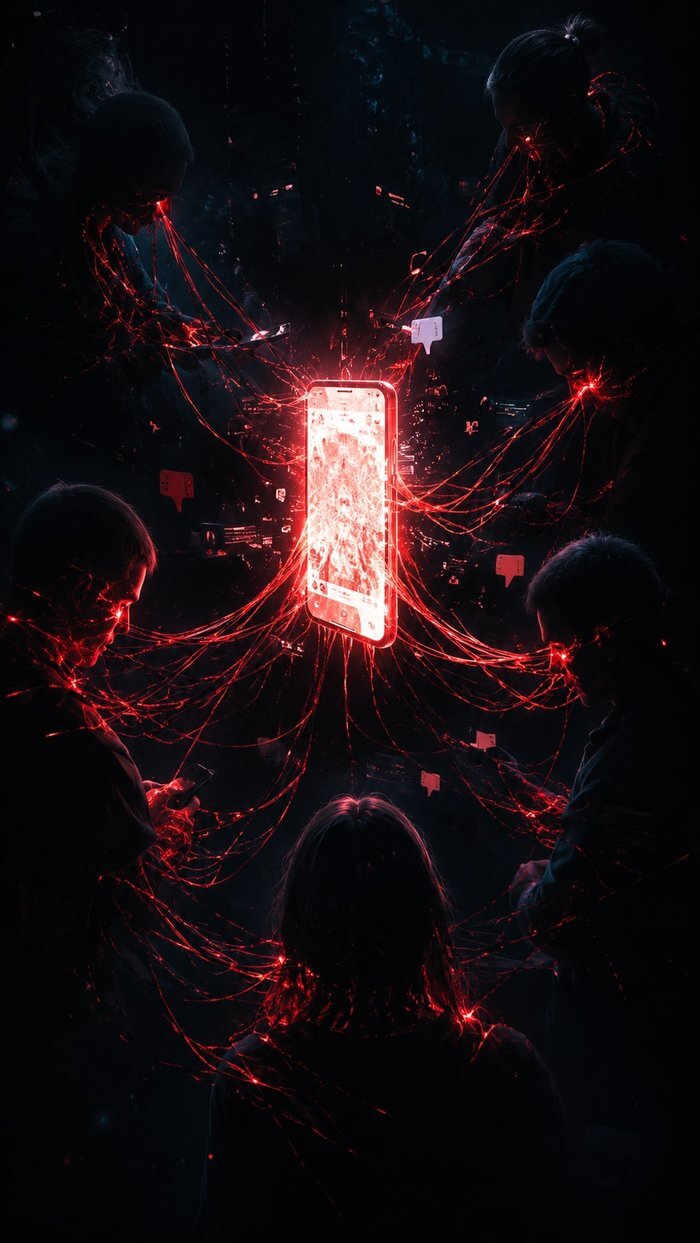
Thematic breakdown:
1. Introduction & The Everyday Paradox
- The format ‘KlarFunk’: Space for in-depth topics that cannot be dismissed with a quick response.
- The initial observation: The surprising realization that hatred connects people on social media as much as love.
- Fans vs. Hater: Why the biggest anti-fans and super-fans show identical consumer behavior, as both videos watch, subscribe and comment to the end.
2. Hate-Watching & The Cold Logic of Algorithms
- What is hate-watching? Conscious consumption of content – such as trash TV or controversial influencers – only to be outraged.
- The Blind Algorithm: Why platforms don't differentiate between positive and negative criticism, and every form of interaction increases reach.
- The tracking trap: How the reckless sharing of posts and videos via Messenger additionally pushes the relevance of the unloved content.
3. Group dynamics & The parasocial hate relationship
- Community by demarcation: How in-group and out-group mechanisms create a strong ‘we-feeling’ through common enemy images.
- Rent-free in mind: When observing the opponent becomes a central pillar of one's identity and this must be mentioned constantly.
- The Search for Outrage: Why parasocial hate relationships spill dopamine and convey a sense of moral superiority.
- Double standards: Why exactly the same behavior is legitimized in the favored content creator, but immediately devalued in the hate object.
4. Conclusion: The True Counterpole
- The only solution: Why not the angry dislike, but the complete indifference (non-observance and de-subscription) is the true algorithmic and emotional death.
- Call to Action: The open question to the community on which channels she catches herself hate-watching.
Links to the issue:


Advertising:
Related episodes:
- Drama in the nanocosmos and the witty cuddle
- Wenn Diagnosen zur Waffe werden - Therapiesprache, Gruppendruck und YouTube-Doppelmoral
- Wenn YouTube-Drama eskaliert: Ansagen, Abmahnungen und die Grenzen der Empathie
Contributors to this episode


Playing time: 0:24:48
Date of admission: 29.08.26
This episode is from season 4, there are a total of 4 seasons.
One According to Funk Publication Cartel Production - Where stories are transmitted unmistakably.
Podcast license:

This work is licensed under a Creative Commons Attribution-NonCommercial-ShareAlike 4.0 International License

Note: This post contains affiliate links. If you shop through these links, I'll get a small commission at no extra cost to you.

 English