
Reading time
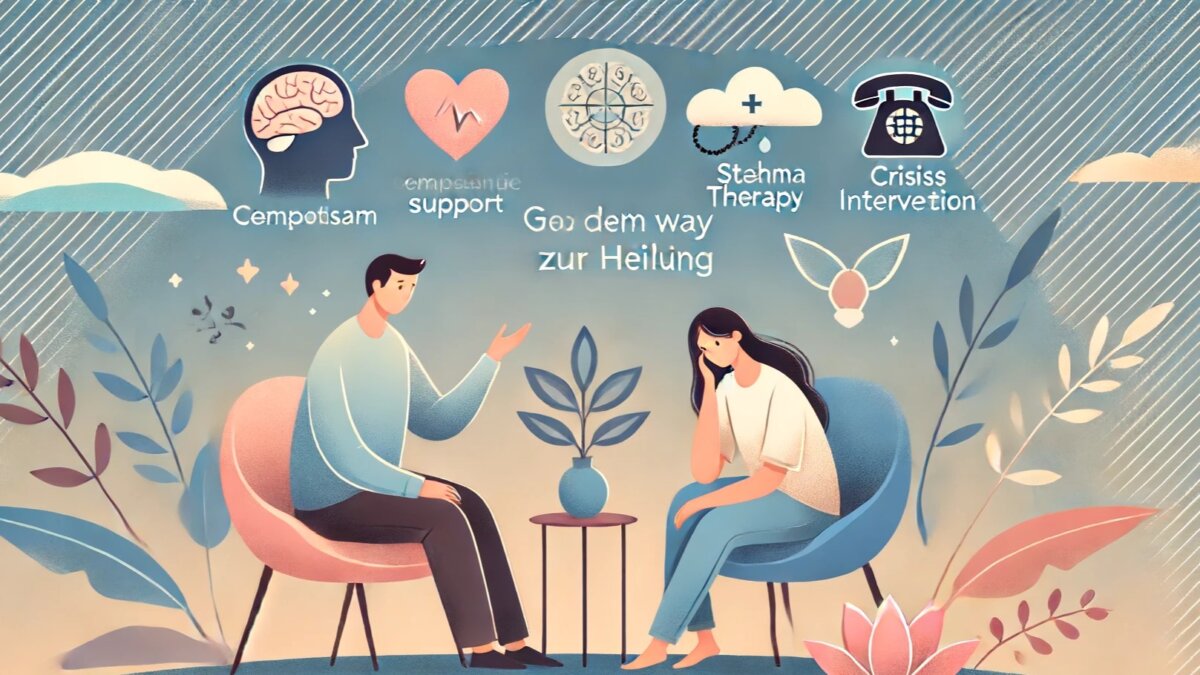
The Borderline Personality Disorder (BPS) is a complex mental illness, often caused by concomitant disorders such as depression and Anxiety disorders accompanied. Successful treatment requires a comprehensive and individual approach that combines different forms of therapy. In this article, we present the most important therapeutic approaches and offer practical tips to support treatment.
Dialectical behavioral therapy (DBT)
The Dialectical behavioral therapy (DBT) has been obtained from Marsha Linehan Specially designed for the treatment of borderline. DBT combined Cognitive Behavioral Therapy (CBT) with mindfulness-based techniques and aims to improve emotional regulation, interpersonal skills and stress management.
Structure and methods of DBT:
- Individual therapy: Weekly sessions with a therapist to work on individual problems and learn new coping strategies.
- Group therapy: Weekly group sessions where skills in mindfulness, interpersonal effectiveness, emotional regulation and distress tolerance are taught.
- Telephone crisis intervention: Support in acute crisis situations through telephone advice.
- Supervision and team consulting: Therapists exchange information on a regular basis to ensure the quality of the treatment and to support each other.
More information about DBT can be found on the DBT Information Page.
Schematic therapy
Schema therapy was developed by Jeffrey Young and combines elements of cognitive behavioral therapy, psychoanalysis and Gestalt therapy. The aim is to recognize and change early maladaptive schemas.
Structure and methods of schema therapy:
- Identification of schemes: Through conversations and questionnaires, negative thought patterns and behaviors are revealed.
- Development of new coping strategies: Patients learn to question their thinking patterns and replace them with healthier alternatives.
- Emotion-focused techniques: Editing childhood experiences that contributed to the creation of the schemes.
- Therapeutic relationship: A safe and supportive relationship between the therapist and the patient is central to the success of the therapy.
More about schematic therapy can be found at Schema therapy network page.
Mentalization-based therapy (MBT)
Mentalization-based therapy (MBT) was developed by Peter Fonagy and Anthony Bateman. It aims to improve the ability to mentalise, i.e. to understand and interpret one’s own and others’ thoughts and feelings.
Structure and methods of MBT:
- Individual therapy: Focus on current relationship patterns and understanding emotional responses.
- Group therapy: Promoting mentalization through group discussions and role-playing.
- Therapeutic attitude: Therapists act as a model for mentalization and help patients to recognize and name their emotions and thoughts more clearly.
Further information on MBT can be found at Mentalization page.
medications
Medications are not the first choice in the treatment of borderline, but can be helpful in accompanying conditions such as depression and anxiety disorders. Typically, selective serotonin reuptake inhibitors (SSRIs) and mood stabilizers are used.
Advantages of drug therapy:
- Support in stabilising mood
- Reduction of symptoms of concomitant diseases
- Enabling more effective participation in psychotherapy
Mindfulness and Self-Help Groups
In addition to professional therapy, mindfulness techniques and self-help groups can provide valuable support. Mindfulness exercises help to stay in the moment and better control emotional responses, while support groups provide social support and experience sharing.
Benefits of mindfulness and self-help groups:
- Improving self-awareness and emotional control
- A sense of community and mutual support
- Access to the experiences and strategies of other stakeholders
Further information on mindfulness techniques can be found at MBSR Association Page.

conclusion
The treatment of borderline personality disorder and concomitant diseases requires a versatile and individually adapted approach. By combining different forms of therapy such as Dialectical behavioral therapy, schema therapy and the Mentalization-based therapy Affected individuals can learn to better control their emotional responses and lead healthier interpersonal relationships. Supportive measures such as mindfulness and self-help groups provide additional stability and community. With patience, commitment and the right support, it is possible to significantly improve the quality of life and lead a more fulfilling life.
Tips to support treatment
- Regular therapy: Stick to agreed therapy times and attend the sessions on a regular basis.
- Openness and honesty: Be honest with your therapist about your thoughts and feelings.
- Mindfulness exercises: Integrate daily mindfulness exercises into your everyday life to promote your emotional stability.
- Self-care: Pay attention to adequate sleep, a balanced diet and regular exercise.
- Social support: Seek support from friends, family, or support groups.
- Taking medication: Take prescribed medications regularly and discuss side effects with your doctor.
- Emergency plan: Develop a contingency plan for crisis situations together with your therapist.
Useful links
- German Society for Borderline Personality Disorder
- Federal Association of Relatives of Mentally Ill People (Bundesverband der Familie psychisch Krankenker e.V.)
- Mindfulness-Based Stress Reduction (MBSR)
- German depression relief
The treatment of borderline and concomitant diseases requires patience, commitment and an individual approach to therapy. By combining different treatment options and support options, those affected can significantly improve their quality of life.
Discover more from LautFunk Podcast & Blog
Subscribe to get the latest posts sent to your email.

 English