

| transcript | |
|---|---|
|
00:00 - 0:00:02
*Music*
|
|
|
0:00:02 – 0:00:31
[Music]
|
|
|
0:00:31 – 0:00:39
Hello and welcome to a new edition of the digression. I'm Sascha Markmann and I say
|
|
|
0:00:39 – 0:00:51
Hello there. I think today we will digress a bit more or revel in memories.
|
|
|
0:00:51 – 0:01:06
Today's topic is kind of consideration, that is, I consciously perceive that another
|
|
|
0:01:06 – 0:01:16
Human beings have any weaknesses or limitations and respond to them. But not so now,
|
|
|
0:01:16 – 0:01:22
that I go and say so "haha you have this and that" but rather so according to the motto
|
|
|
0:01:22 – 0:01:35
"I see it and accept it" or "I see it and respond to it benevolently, kindly,
|
|
|
0:01:35 – 0:01:45
Careful, think about it. I think we all know this somehow, that you just have a human being in the
|
|
|
0:01:45 – 0:01:54
Wheelchair sees and then you hold the door open. When you get on and off the bus, you ask,
|
|
|
0:01:54 – 0:02:03
Maybe you could help roll up the ramp or something. I remember,
|
|
|
0:02:03 – 0:02:09
I had an internship at a large company in my hometown,
|
|
|
0:02:09 – 0:02:19
At that time in Datteln. And then I was allowed to go with the caretaker every morning, because there was no
|
|
|
0:02:19 – 0:02:36
Wheelchair ramp gave, carrying an employee to the entrance. And that was normal. One has to say,
|
|
|
0:02:36 – 0:02:43
before my father almost worked as a craftsman again or as a dismantling mechanic,
|
|
|
0:02:43 – 0:02:59
Dreher, he worked as a curator and educator in a home for spiritual
|
|
|
0:02:59 – 0:03:08
Disabled people. And there was also summer party, winter party, Christmas party and there were also
|
|
|
0:03:08 – 0:03:15
Family members of the staff are invited. And then there we were. It was this
|
|
|
0:03:15 – 0:03:24
It was totally normal for us to be there with the residents who were of different ages,
|
|
|
0:03:24 – 0:03:38
surrounded and played together or even ate and something like that and that's why it was for us
|
|
|
0:03:38 – 0:03:50
Totally normal. So it wasn't weird. I remember when I was a child,
|
|
|
0:03:50 – 0:03:59
So the little kid, maybe I was already in school, in first grade or was that later?
|
|
|
0:03:59 – 0:04:08
A sports club, there was also a Christmas party. Then came St. Nicholas, and there was a child of
|
|
|
0:04:08 – 0:04:18
Family, this was not only physically, but also mentally handicapped. And good, I found that strange,
|
|
|
0:04:18 – 0:04:25
Because I had no points of contact. But later it was normal. And also during
|
|
|
0:04:25 – 0:04:34
There were always children in my school years who were in wheelchairs. And there you have,
|
|
|
0:04:34 – 0:04:43
So we learned that this was normal and that we helped,
|
|
|
0:04:43 – 0:04:49
If there was support. So there were two of them who had a school companion with them,
|
|
|
0:04:49 – 0:04:54
He used to go up and down the stairs when he needed to. Because even though they
|
|
|
0:04:54 – 0:05:01
School was quite handicapped accessible, there was one or two premises where you can really bad with
|
|
|
0:05:01 – 0:05:11
He hit a wheelchair. And yes, I think it just got a feeling over time
|
|
|
0:05:11 – 0:05:21
For, yes, today they say inclusion, developed. Because it was normal to be considerate
|
|
|
0:05:21 – 0:05:28
and other people and their specific needs. That was somehow
|
|
|
0:05:28 – 0:05:36
Totally normal. So you didn't have to think about it. And that's also something I
|
|
|
0:05:36 – 0:05:44
Observe here in the company when I arrive with my wheelchair and want to get on the bus
|
|
|
0:05:44 – 0:05:52
or if I have a good day with the rollator, then there is a very specific group of people who
|
|
|
0:05:52 – 0:05:59
Super friendly and super polite ask if you can help me. And these are not necessarily
|
|
|
0:05:59 – 0:06:13
People born here, but people with an immigration background. This is already a
|
|
|
0:06:13 – 0:06:22
Noticed a few times. So it started to stop with doors, ask if everything is okay,
|
|
|
0:06:22 – 0:06:32
If you need help and so on. What I wasn't used to before, so I did.
|
|
|
0:06:32 – 0:06:38
I had a stroke in 2016 and after that I was so mobile that I
|
|
|
0:06:38 – 0:06:47
I also moved outside. I was not at all accustomed by my fellow citizens that after
|
|
|
0:06:47 – 0:06:55
They ask, but they all take care of their own thing and that's something that's deep inside.
|
|
|
0:06:55 – 0:07:04
My personality is different. A small example. Fifty percent of my nuclear family is
|
|
|
0:07:04 – 0:07:12
Women who started menstruating sooner or later. It was totally normal for me,
|
|
|
0:07:12 – 0:07:22
There were special hygiene products in the house or in the bathroom. There were tampons,
|
|
|
0:07:22 – 0:07:32
There were internals in different versions and that was totally normal. How I then hold this
|
|
|
0:07:32 – 0:07:38
first time I moved in with my then girlfriend – first home of my own –
|
|
|
0:07:38 – 0:07:46
It was normal and I didn't have a problem going into a business.
|
|
|
0:07:46 – 0:07:57
My 20 years, 21, 22 and buying these things. I found other things much worse.
|
|
|
0:07:57 – 0:08:06
buy. And when I think about it now in my first apartment, which I had alone, after the
|
|
|
0:08:06 – 0:08:12
The relationship was over, I'd always had it. I also had a women's visit.
|
|
|
0:08:12 – 0:08:21
whether it be within the family or well-known friends who have visited me or
|
|
|
0:08:21 – 0:08:34
Other people who were female. And I just have out of consideration for the need,
|
|
|
0:08:34 – 0:08:42
If you have your period, just have a few things there in different versions.
|
|
|
0:08:42 – 0:08:51
So now not necessarily the maximum, but keep small and medium and totally normal. So
|
|
|
0:08:51 – 0:08:57
Some women were totally surprised that I had trash cans in the bathroom at all. So
|
|
|
0:08:57 – 0:09:02
If you think about it, you were surprised that a single man had a trash can in his pocket.
|
|
|
0:09:02 – 0:09:10
Bathroom has, next to the toilet. I mean, I was used from an early age to having a trash can
|
|
|
0:09:10 – 0:09:16
is in the bathroom and if something happens afterwards, then you can do that in there and the
|
|
|
0:09:16 – 0:09:25
It's not just shampoo bottles or anything, it's a red flag or something.
|
|
|
0:09:25 – 0:09:29
If you're doing a session that lasts longer.
|
|
|
0:09:29 – 0:09:36
I can still remember a situation.
|
|
|
0:09:36 – 0:09:41
There was a colleague who was a doctor who had white pants on.
|
|
|
0:09:41 – 0:09:47
Suddenly there was bleeding.
|
|
|
0:09:47 – 0:09:48
I don't know if she has her period or anything.
|
|
|
0:09:48 – 0:09:51
I'm expecting it late.
|
|
|
0:09:51 – 0:10:03
And well, during the missions in the rescue service, sometimes on your knees, get up again, compressions on
|
|
|
0:10:03 – 0:10:10
the abdominal cavity, that just got bigger and bigger. And wouldn't have been a colleague
|
|
|
0:10:10 – 0:10:17
I gave him a sweatshirt, which he then tied around his hips, I didn't have any,
|
|
|
0:10:17 – 0:10:27
I was just wearing a T-shirt, it would have looked very stupid for the woman until we got back.
|
|
|
0:10:27 – 0:10:36
and would certainly have been very embarrassing to her, because on a white pants then stop this red
|
|
|
0:10:36 – 0:10:49
in quotation marks blood. And I had to stop later at work in my pocket
|
|
|
0:10:49 – 0:10:57
Always a few products. It was such an experience where I thought, where's the problem,
|
|
|
0:10:57 – 0:11:03
That I'm packing something in there? That doesn't take up any space. I mean, the worst,
|
|
|
0:11:03 – 0:11:09
What can happen to me is if I forget to shave, and let's say,
|
|
|
0:11:09 – 0:11:13
It could be that I forget to shave for six weeks.
|
|
|
0:11:13 – 0:11:21
I just have a few millimeters or maybe an inch of beard. This is
|
|
|
0:11:21 – 0:11:29
The worst thing that can happen to me as a man. I can't menstruate. Well,
|
|
|
0:11:29 – 0:11:37
And I also have to be considerate or even think about how I can make it pleasant.
|
|
|
0:11:37 – 0:11:40
And here we are at the point I mean.
|
|
|
0:11:40 – 0:11:48
If a woman is astonished that a single man has a trash can there, what do you think the reactions were?
|
|
|
0:11:48 – 0:11:53
Like I said, and if you need anything, that's here and there.
|
|
|
0:11:53 – 0:12:01
I had such an Alibert and he had several drawers and in one were just these things
|
|
|
0:12:01 – 0:12:09
inside. Tampons, I'm done. I was amazed that someone was thinking,
|
|
|
0:12:09 – 0:12:17
It could be, and if there's nothing there, there's something. Incredible isn't it? It's unbelievable.
|
|
|
0:12:17 – 0:12:28
I do not want to say that I am a particularly sensitive and empathetic person, but
|
|
|
0:12:28 – 0:12:37
It's just something I've seen in my life and it's an experience.
|
|
|
0:12:37 – 0:12:39
and normalization.
|
|
|
0:12:39 – 0:12:48
I don't have these needs on special days of the month. I didn't. But nevertheless
|
|
|
0:12:48 – 0:12:54
I understand that this can be such a problem. My mother once had
|
|
|
0:12:54 – 0:13:00
Someday I'll tell a similar story. I must have been in my early teenage years.
|
|
|
0:13:00 – 0:13:07
to be. That's what happened to her colleague and no one had anything with her. How shitty is that
|
|
|
0:13:07 – 0:13:13
In the doctor's office, everyone wears bright clothes. How shit is that? And above all,
|
|
|
0:13:13 – 0:13:22
Everyone reacts with incomprehension. And that's such a point. Why is such a thing
|
|
|
0:13:22 – 0:13:30
Isn't it normalized and you just take care of each other? I have to constantly
|
|
|
0:13:30 – 0:13:43
I apologize for being a dyslexic. I just have a neurologically different
|
|
|
0:13:43 – 0:13:53
wired brain. I have a slightly different perception of my environment and myself.
|
|
|
0:13:53 – 0:13:59
I have trouble reading and writing because I just don't have this pattern recognition.
|
|
|
0:13:59 – 0:14:06
A normal mortal person goes when he has learned it, he recognizes a word by means of
|
|
|
0:14:06 – 0:14:17
of its pattern, structure and pattern and knows intuitively without thinking, that is the word,
|
|
|
0:14:17 – 0:14:26
Let's take a look, what can we take for a word? It's a digression. That's just how it's seen.
|
|
|
0:14:26 – 0:14:40
I have to go often, so a, b, s, c, h, that's /ʃ/, then /v/, /w/, then /aɪ/, and then /f/.
|
|
|
0:14:40 – 0:14:43
Okay, off, sweat, /f/ and then comes /ŋk/.
|
|
|
0:14:43 – 0:14:49
I have for many words, I have also now internalized that, as the structure
|
|
|
0:14:49 – 0:14:51
I don't have to read them that way.
|
|
|
0:14:51 – 0:15:11
But when it comes, for example, to any super complicated, exotic or rarely used words, from Latin, in the scientific field, in computer science, then I have to do it that way.
|
|
|
0:15:11 – 0:15:18
And for me it was especially difficult to acquire what you write in English.
|
|
|
0:15:18 – 0:15:29
Because if you just go with this methodology, that you just translate sounds into your letters
|
|
|
0:15:29 – 0:15:36
or even translate the letters into sounds, this does not work in the native language,
|
|
|
0:15:36 – 0:15:44
If it is English. And even worse, for example, is a language that is spoken in the Nordic countries.
|
|
|
0:15:44 – 0:15:53
The language family is foreign. Let's say French or Russian. That's not so easy,
|
|
|
0:15:53 – 0:15:58
Because these mechanisms don't work. The French are halfway there.
|
|
|
0:15:58 – 0:16:05
Because it is the same scripture. But the Cyrillic is different. They have
|
|
|
0:16:05 – 0:16:11
a completely different alphabet and they have six cases and the Poles are even worse with
|
|
|
0:16:11 – 0:16:16
their eight cases. Then they have softness signs, hardness signs and a few other peculiarities.
|
|
|
0:16:16 – 0:16:25
I'm really having problems with that. It doesn't matter how good I am at language. I have
|
|
|
0:16:25 – 0:16:30
My grade in these subjects actually always messed up by the written part. And there was
|
|
|
0:16:30 – 0:16:36
Until my diagnosis that I am a dyslexic, little consideration was bound.
|
|
|
0:16:36 – 0:16:45
But, yeah, well, that's hard. The boy is a bad reader. But
|
|
|
0:16:45 – 0:16:51
after I had the proof that I was just neurodivergent, so not only neurodiverse,
|
|
|
0:16:51 – 0:16:57
We are all different because our brains are different from each other.
|
|
|
0:16:57 – 0:17:03
really have a different wired brain and therefore have no disease, but
|
|
|
0:17:03 – 0:17:15
A real disorder, similar to autism or attention deficit syndrome.
|
|
|
0:17:15 – 0:17:24
So I have an impairment, a disability and then there is just a compensation
|
|
|
0:17:24 – 0:17:32
And that was just more time. And I have to say, by taking exams
|
|
|
0:17:32 – 0:17:38
sometimes had 30 minutes more time, which with others, the younger you were,
|
|
|
0:17:38 – 0:17:45
He was also angry, because "Why is he allowed to do this and I can't? I am also a dyslexic.
|
|
|
0:17:45 – 0:17:53
It was really a game changer. I mean, I've still been extremely smuggling,
|
|
|
0:17:53 – 0:17:59
But I just had more time to work it out and verify it for myself.
|
|
|
0:17:59 – 0:18:08
And even later at university it was an absolute game changer to have a note where it says,
|
|
|
0:18:08 – 0:18:19
Yes, he is a dyslexic. He's not stupid, he needs a little more time.
|
|
|
0:18:19 – 0:18:28
Because of its differentness. And what I also want to say is that this dyslexia also has
|
|
|
0:18:28 – 0:18:38
other benefits. In addition to its many disadvantages, it also has advantages, because you can
|
|
|
0:18:38 – 0:18:46
Because of the different nature of the brain, problems can be solved differently. You train yourself,
|
|
|
0:18:46 – 0:18:52
Know very quickly to record and save well that you can retrieve it.
|
|
|
0:18:52 – 0:19:00
And you learn a bunch of behaviors and mechanisms to stop by the everyday school life
|
|
|
0:19:00 – 0:19:05
to come and also later through the world of work. Of course, there is also a lot of masking,
|
|
|
0:19:05 – 0:19:14
That you don't stand out. I can still remember a situation where I stopped with many
|
|
|
0:19:14 – 0:19:20
There were strangers together and one of my colleagues said to me in such a way.
|
|
|
0:19:20 – 0:19:27
Quiet moment, say something wrong. You speak differently than you write. Da
|
|
|
0:19:27 – 0:19:32
There are worlds in between. Then I explained it to him and then he said so, yes I did.
|
|
|
0:19:32 – 0:19:42
I thought so, but I thought I'd ask. And yes, in a certain area where
|
|
|
0:19:42 – 0:19:47
where people have the necessary tact or have the level of knowledge, know what
|
|
|
0:19:47 – 0:19:52
Dyslexia is, one then encounters understanding.
|
|
|
0:19:52 – 0:19:59
But I am also so often, and this happens to me so often on the Internet, that I go on total
|
|
|
0:19:59 – 0:20:04
Incomprehension meets.
|
|
|
0:20:04 – 0:20:10
And here we are again at the point where we left.
|
|
|
0:20:10 – 0:20:15
When I write a comment or write a text and there are spelling mistakes in it,
|
|
|
0:20:15 – 0:20:19
There is no error in content,
|
|
|
0:20:19 – 0:20:23
So no point of attack where I could be refuted,
|
|
|
0:20:23 – 0:20:29
then people actually go there and then either look the way I speak,
|
|
|
0:20:29 – 0:20:33
"Oh, the Sasha spoke the wrong word," he said.
|
|
|
0:20:33 – 0:20:38
Or as I write, "But that's wrong, you write differently,"
|
|
|
0:20:38 – 0:20:48
Or what is so gladly taken is, that is pronounced so and so, that is High German.
|
|
|
0:20:48 – 0:20:55
What you're talking about is dialect, dialect, or whatever. This is not grammatically correct.
|
|
|
0:20:55 – 0:21:02
And then I always think so, yeah cool, I don't criticize when you're out
|
|
|
0:21:02 – 0:21:09
You're from Saxony, if you're playing around. I'm not criticizing that either. I criticize
|
|
|
0:21:09 – 0:21:16
But not if you are from Hesse or Bavaria, Upper Bavaria or Franconia.
|
|
|
0:21:16 – 0:21:23
I don't stop there either. It can't be like that. As you speak,
|
|
|
0:21:23 – 0:21:34
You can be a stupid farmer. No, that has something to do with that, even if I
|
|
|
0:21:34 – 0:21:41
some dialects just find more interesting and also funny, because it is simply funny
|
|
|
0:21:41 – 0:21:50
Sounds to me, but I would never communicate it out of respect that it is so. I would have it
|
|
|
0:21:50 – 0:21:59
Don't let them feel it, if that's the case. Just out of respect and also with feeling.
|
|
|
0:21:59 – 0:22:06
No, not like that either. It's just because you don't do it. I just have these
|
|
|
0:22:06 – 0:22:11
experience in life that I have been clearly shown this and I want this
|
|
|
0:22:11 – 0:22:16
Do not give experience to others. It is easy for me to go through the world,
|
|
|
0:22:16 – 0:22:23
with the feeling that she, and that's what my podiatrist once said, that's her
|
|
|
0:22:23 – 0:22:32
Meaning of life. She wants to go through life with the feeling that she leaves the world better,
|
|
|
0:22:32 – 0:22:40
as she found them. And that's how I see it. I can't do much as an individual.
|
|
|
0:22:40 – 0:22:45
I'm not going to invent the cold fusion. I'm not going to be a super
|
|
|
0:22:45 – 0:22:53
Developing a breakthrough drug. I'm not going to be the next computer revolution.
|
|
|
0:22:53 – 0:22:58
trigger. I won't be able to do it all. I won't, who knows what kind of
|
|
|
0:22:58 – 0:23:04
Make a great podcast or do something special on YouTube.
|
|
|
0:23:04 – 0:23:12
I can only give small food for thought and hope that I will share the world with what I am doing here.
|
|
|
0:23:12 – 0:23:22
Encourage some people to think about their thoughts, feelings and, above all, actions
|
|
|
0:23:22 – 0:23:29
Make the world a little better place. And when I think about it,
|
|
|
0:23:29 – 0:23:38
My parents actually got it, first a young man and now someone in the
|
|
|
0:23:38 – 0:23:46
to form middle age, who simply also thinks about his fellow human beings.
|
|
|
0:23:46 – 0:23:52
And here we are again with the empathic soul and feeling people.
|
|
|
0:23:52 – 0:24:01
You have to do this, this label you do not have to set up yourself, but so take others
|
|
|
0:24:01 – 0:24:08
People a true one. Because for me, it goes without saying that I have someone
|
|
|
0:24:08 – 0:24:15
Stop the door and it's not easy when it closes so fast, almost in front of the face
|
|
|
0:24:15 – 0:24:19
Let it snatch. For me, it goes without saying that I have my arm.
|
|
|
0:24:19 – 0:24:31
sometimes between the elevator door and the doorway from
|
|
|
0:24:31 – 0:24:36
Make a door frame from the elevator, because I know there's a
|
|
|
0:24:36 – 0:24:40
It is automatic shut-off. It doesn't even hurt when someone else does it.
|
|
|
0:24:40 – 0:24:47
I want to reach the elevator. For me, this is not a leg break when I walk tight and my rollator in the
|
|
|
0:24:47 – 0:24:54
Fold up the elevator so someone else can fit in. So he doesn't have to wait any longer
|
|
|
0:24:54 – 0:24:58
to the next elevator, which is also very likely to be completely overcrowded again.
|
|
|
0:24:58 – 0:25:03
And these are all little things where I don't break a sack out of my crown,
|
|
|
0:25:03 – 0:25:08
where I have no disadvantage, where I just have to take a little bit back,
|
|
|
0:25:08 – 0:25:18
to do another person a favor, to help or maybe just a small day
|
|
|
0:25:18 – 0:25:23
To make it a little more pleasant. Sometimes it's just a nice word to a cashier.
|
|
|
0:25:23 – 0:25:29
who had a totally annoyed day so far, because everyone just sniffed at her, because the
|
|
|
0:25:29 – 0:25:36
everything doesn't go fast enough, the shop is totally understaffed and the cash line is almost
|
|
|
0:25:36 – 0:25:43
Go to the entrance. These are the tiny little things where you just have to
|
|
|
0:25:43 – 0:25:51
Take a little back and then just show consideration for others. Yes, they are so mine
|
|
|
0:25:51 – 0:25:59
Two cents today. That was really important to me. I mean, we have Sunday or something and
|
|
|
0:25:59 – 0:26:07
I saw so many things on the internet today where my skull smoked,
|
|
|
0:26:07 – 0:26:16
where I just thought, man, hold back a little bit and do
|
|
|
0:26:16 – 0:26:23
Not such a big ego show. You're not the world, wild nail. It doesn't revolve around you
|
|
|
0:26:23 – 0:26:31
The whole world and the universe. With that in mind, I thank you for listening. I would
|
|
|
0:26:31 – 0:26:38
Glad to see you next time. You know, comment, because discourse, I have today
|
|
|
0:26:38 – 0:26:44
Relearned again is something wonderful, because only in this way can you exchange exciting ideas. So,
|
|
|
0:26:44 – 0:26:48
Goodbye and see you next time. Your Sasha
|
|
|
0:26:48 – 0:26:55
[Music]
|
|
|
0:26:55 – 0:26:58
[Music]
|
|
|
0:26:58 – 0:27:04
[Music]
|
|
|
0:27:04 – 0:27:10
[Music]
|
|
|
0:27:10 – 0:27:16
[Music]
|
|
|
0:27:16 – 0:27:22
[Music]
|
|
|
0:27:22 – 0:27:25
[Music]
|
|
|
0:27:25 – 0:27:31
[Music]
|
|
|
0:27:31 – 0:27:37
[Music]
|
|
|
0:27:37 – 0:27:43
[Music]
|
|
|
0:27:43 – 0:27:49
[Music]
|
|
|
0:27:49 – 0:27:52
[Music]
|
|
|
0:27:52 – 0:27:58
[Music]
|
|
|
0:27:58 – 0:28:04
[Music]
|
|
|
0:28:04 – 0:28:10
[Music]
|
|
|
0:28:10 – 0:28:16
[Music]
|
|
|
0:28:16 – 0:28:19
[Music]
|
|
|
0:28:19 – 0:28:25
[Music]
|
|
|
0:28:25 – 0:28:31
[Music]
|
|
|
0:28:31 – 0:28:37
[Music]
|
|
|
0:28:37 – 0:28:43
[Music]
|
|
|
0:28:43 – 0:28:46
[Music]
|
|
|
0:28:46 – 0:28:52
[Music]
|
|
|
0:28:52 – 0:28:58
[Music]
|
|
|
0:28:58 – 0:29:04
[Music]
|
|
|
0:29:04 – 0:29:10
[Music]
|
|
|
0:29:10 – 0:29:13
[Music]
|
|
|
0:29:13 – 0:29:19
[Music]
|
|
|
0:29:19 – 0:29:25
[Music]
|
|
|
0:29:25 – 0:29:31
[Music]
|
|
|
0:29:31 – 0:29:37
[Music]
|
|
|
0:29:37 – 0:29:40
[Music]
|
|
|
0:29:40 – 0:29:47
[Music]
|
|
|
0:29:47 – 0:29:55
[Music]
|
|
|
0:29:55 – 0:30:04
[Music]
|
|
|
0:30:04 – 0:30:11
[Music]
|
|
|
0:30:11 – 0:30:14
[Music]
|
|
|
0:30:14 – 0:30:20
[Music]
|
|
|
0:30:20 – 0:30:26
[Music]
|
|
|
0:30:26 – 0:30:32
[Music]
|
|
|
0:30:32 – 0:30:38
[Music]
|
|
|
0:30:38 – 0:31:07
[Music]
|
|
|
0:31:07 – 0:31:09
[Music]
|
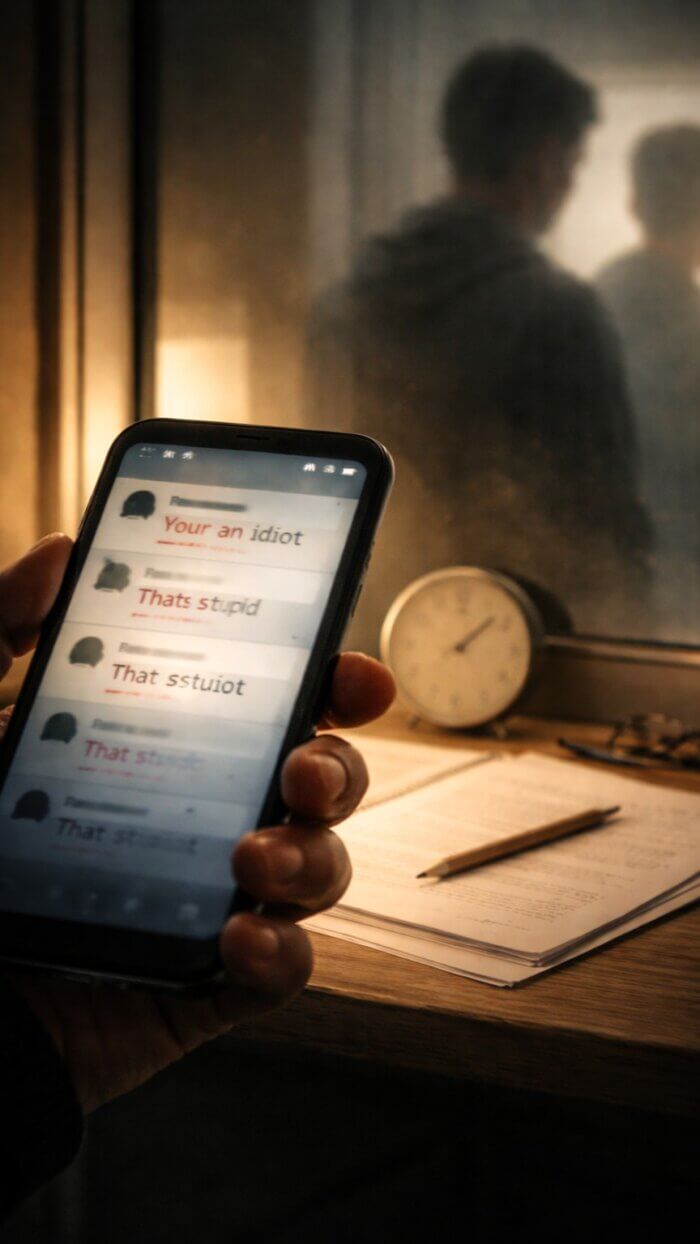
In this episode of The digression is about something that we often take for granted – and yet far too rarely live consciously: consideration. Not as a great moral concept, but as an everyday attitude.
Sascha talks about personal experiences with inclusion, disability and neurodivergence – wheelchair, rollator and dyslexia, but also small gestures that make everyday life noticeably easier for others. Stop the doors. Give me time. Thinking along. Normalize things that should be normal.
It is about menstruation in everyday life, unspoken expectations, shame, incomprehension and how hurtful lack of consideration can be – especially when it comes across as ‘criticism’ or supposed superiority. At the same time, the question is why many of these things are self-evident to some people and apparently not to others.
A personal, thoughtful episode about empathy without pathos, about respect instead of compassion and about the quiet decisions we make every day to determine how human our society is.
🧭 Topic overview
1. Getting started: Disappearing with Intention
- Welcome & Sound of the episode
- Why consideration is a topic today
- Digression as a conscious form of reflection
2. What Consideration Really Means
- Perceiving instead of evaluating
- Accepting weaknesses and limitations
- The Difference Between Mockery, Compassion, and Respect
3. Early embossing & normalization
- Childhood experiences with disability
- Family, care environment and early contact points
- Why inclusion used to be 'normal'
4. Everyday situations & lived inclusion
- Stop doors, offer help, think along
- Experience in public space (bus, wheelchair, rollator)
- Observations on courtesy and social behaviour
5. Respect beyond clichés
- Menstruation as an everyday reality
- Hygiene products, trash cans and normality
- Surprise that thinking is not self-evident
6. A formative experience from everyday work
- The situation with the colleague in the rescue service
- Embarrassment, helplessness and spontaneous solidarity
- Why Preparation Is Sometimes Everything
7. Own limitations: dyslexia & neurodivergent
- Reading, Writing and Thinking Differently
- School time, diagnosis and lack of consideration
- Compensation for disadvantages as a real game changer
8. Strengths through otherness
- Compensation strategies and alternative solutions
- Masking in everyday life and social adaptation
- Perception from the outside vs. self-image
9. Internet, Criticism and Lack of Empathy
- Attacks on language, spelling and dialect
- When content is not vulnerable
- Disrespect as a substitute argument
10. Small gestures – big impact
- Elevator, cash register, everyday situations
- Take yourself back without losing anything
- Why Respect is Not a Heroic Deed
11. Personal Attitude & Final Thoughts
- Leaving the world a little bit better
- Limits of own effectiveness
- Invitation to reflect instead of teaching
12. Conclusion & Invitation to Discourse
- Thanks to the listeners
- Importance of exchange and discussion
- adoption


Advertising:
Contributors to this episode


Playing time: 0:31:09
Date of admission: 18.01.26
This episode is from season 4, there are a total of 4 seasons.
One According to Funk Publication Cartel Production - Where stories are transmitted unmistakably.
Podcast license:

This work is licensed under a Creative Commons Attribution-NonCommercial-ShareAlike 4.0 International License

Note: This post contains affiliate links. If you shop through these links, I'll get a small commission at no extra cost to you.
Related posts
Discover more from LautFunk Podcast & Blog
Subscribe to get the latest posts sent to your email.

Author: Sascha Markmann
Sascha Markmann is a creative mind with a moving biography – and a person who has rediscovered life after a stroke. After working as a paramedic and elderly caregiver, Sascha found his way into creative expression. As a blogger, podcaster, musician and visual storyteller, he brings together things that just don't fit at first glance: He combines his keen enthusiasm for technology – from self-hosted servers to electronic music production – with emotional depth and an oblique sense of humor. His contributions are somewhere between borderline, acid basslines and assistance – honestly, directly and with a wink. Guiding principle: “Audio-visual dullness with no usefulness – but perhaps that's why it's so valuable.” View all posts by Sascha Markmann
 English