
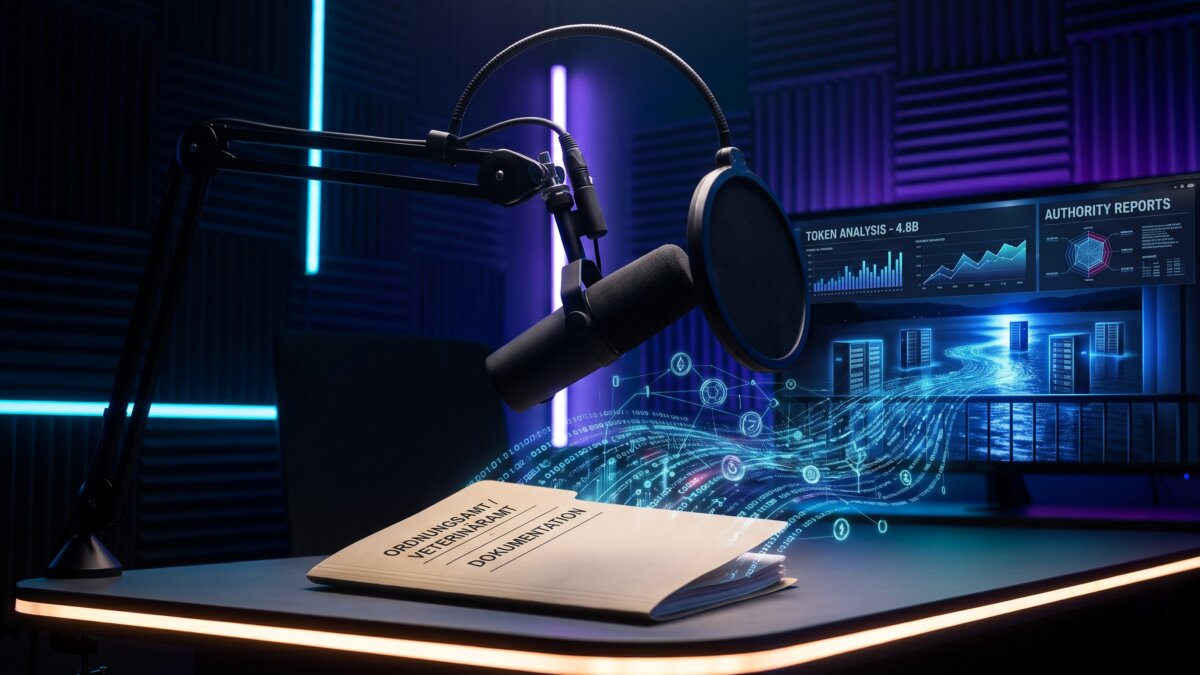
| transcript | |
|---|---|
|
00:00 - 0:00:02
Sure, clear sparks.
|
|
|
0:00:02 – 0:00:04
Not around it.
|
|
|
0:00:04 – 0:00:05
Don't just go on.
|
|
|
0:00:05 – 0:00:06
Not just loud.
|
|
|
0:00:06 – 0:00:09
Questions, questions.
|
|
|
0:00:09 – 0:00:13
Clearly sparks.
|
|
|
0:00:13 – 0:00:17
Clearly sparks.
|
|
|
0:00:17 – 0:00:19
Let's talk about it.
|
|
|
0:00:19 – 0:00:26
Let's talk about it.
|
|
|
0:00:26 – 0:00:30
Welcome to a new edition of Klarfunk.
|
|
|
0:00:30 – 0:00:36
I'm Sascha Markmann and I say hello.
|
|
|
0:00:36 – 0:00:42
My God, what was that again for a week?
|
|
|
0:00:42 – 0:00:44
What were those for a few days?
|
|
|
0:00:44 – 0:00:51
I never thought that a spontaneously recorded podcast by Sarah would have
|
|
|
0:00:54 – 0:00:59
It would trigger a flood of comments.
|
|
|
0:00:59 – 0:01:08
The man on the balcony has of course also immediately carried away
|
|
|
0:01:08 – 0:01:14
and has asked himself a few questions and then is immediately
|
|
|
0:01:14 – 0:01:19
It came to mind again that they made fun of the saying that
|
|
|
0:01:19 – 0:01:27
who at that time had brought to the Sabrina that she has beautiful eyes. Well, if I
|
|
|
0:01:27 – 0:01:38
Watch it live again, the reaction was a bit strange from Sabrina. So I
|
|
|
0:01:38 – 0:01:44
personal and this is now only my opinion, had the impression that it had the effect on me,
|
|
|
0:01:44 – 0:01:55
that she had taken this as quite unpleasant, but played it away relatively well. But
|
|
|
0:01:55 – 0:02:00
that's just my humble opinion and I also think it's totally invasive,
|
|
|
0:02:00 – 0:02:08
Because when you say to a woman "you have beautiful eyes" that are relatively personal to you
|
|
|
0:02:08 – 0:02:16
is not known. I don't think Sabrina and Bernardo will ever meet in person
|
|
|
0:02:16 – 0:02:25
have crossed the path. But that would certainly have been on one of his sessions on the balcony
|
|
|
0:02:25 – 0:02:35
or so scorched. Content-wise. We already understand each other. It was interesting what was out of it.
|
|
|
0:02:35 – 0:02:44
was made. It was, of course, given the wipelist discussion around Sarah
|
|
|
0:02:44 – 0:02:55
Immediately subjected to sexualizing thoughts. So the sex life between Sarah and me,
|
|
|
0:02:55 – 0:03:09
That's perfectly fine and we're more likely to have a problem without it than with sex. So I am myself
|
|
|
0:03:09 – 0:03:18
I don't consciously and I don't even have to think about the fact that I have certain services
|
|
|
0:03:18 – 0:03:28
I had to buy from a service provider. There is so much documentary about it.
|
|
|
0:03:28 – 0:03:36
material on YouTube. You just have to look for the certain keywords, then you will find the
|
|
|
0:03:36 – 0:03:46
One or the other ZDF or ARD documentary, which is a sugar daddy. By the way, that's really interesting.
|
|
|
0:03:46 – 0:03:54
I've been getting more and more requests for cooperation from a MySugarDaddy agency lately.
|
|
|
0:03:54 – 0:04:01
Bernhard, do you have anything to do with this? Be honest.
|
|
|
0:04:01 – 0:04:08
Oh God, now pen and block is brought back and notes are taken and so on and so forth.
|
|
|
0:04:08 – 0:04:13
We have to be careful about that. It could be justikabel.
|
|
|
0:04:13 – 0:04:18
As some people like to say, with pen and block.
|
|
|
0:04:18 – 0:04:22
Yes, the imprint.
|
|
|
0:04:22 – 0:04:27
So even a lawan saw himself compelled to do so today,
|
|
|
0:04:27 – 0:04:31
as well as to deliver their witty outpourings
|
|
|
0:04:31 – 0:04:43
and then somehow very quickly reverted to the report of the Office of Order.
|
|
|
0:04:43 – 0:04:49
and then about the fact that she was suspected of contacting the veterinary office for the first time.
|
|
|
0:04:49 – 0:04:54
And if I understood that correctly, the first visit was to the veterinary office and
|
|
|
0:04:54 – 0:04:58
The second visit to the Public Order Office. That these two offices are not necessarily so now
|
|
|
0:04:58 – 0:05:04
talk and send pro forma e-mails before. So if they possibly under
|
|
|
0:05:04 – 0:05:10
some circumstance at some point gets a message that she might be there and
|
|
|
0:05:10 – 0:05:16
I should have a look. If you don't need it, we already have. That they don't, that's clear.
|
|
|
0:05:16 – 0:05:22
It would perhaps be desirable to have such a database, where you could enter something like this,
|
|
|
0:05:22 – 0:05:30
But what have we known for at least ten years, the Internet is new territory for all of us.
|
|
|
0:05:30 – 0:05:38
And that will take a long time to get through the digitization of our administrations.
|
|
|
0:05:38 – 0:05:48
And this is already difficult within a city. But how did the man on the balcony
|
|
|
0:05:48 – 0:05:57
Have you ever made dober fun? Berlin would also be a village and now that you have da Vinci's name,
|
|
|
0:05:57 – 0:06:04
You could find him jerky, because those would be so few front doors.
|
|
|
0:06:04 – 0:06:14
Oh man, so not everyone has the educational level of an old man on the balcony, who without
|
|
|
0:06:14 – 0:06:25
a functioning Internet access to Google seems more helpless than eloquent and can then
|
|
|
0:06:25 – 0:06:35
also go and do not elaborate on such connections and facts for themselves.
|
|
|
0:06:35 – 0:06:47
You know what I mean. Just bring them together for themselves. It's just embarrassing.
|
|
|
0:06:47 – 0:06:55
I mean, we are accused of consuming Lake Starnberg at least once a day for
|
|
|
0:06:55 – 0:07:01
cooling of AI data centres. As I made clear last time, it's at least
|
|
|
0:07:01 – 0:07:08
Five Starnberg lakes. Because the last time I looked, it was so round about 4.8
|
|
|
0:07:08 – 0:07:17
Billions of tokens that have migrated through our small AI infrastructure. This is
|
|
|
0:07:17 – 0:07:29
A house number, folks. So 4.8 billion syllables is already a lot. And yes, I don't know,
|
|
|
0:07:29 – 0:07:38
as it is with you, but if you always accuse other people of doing so, but yourself
|
|
|
0:07:38 – 0:07:45
lets AI summaries of complex topics be delivered and then reads them out,
|
|
|
0:07:45 – 0:07:54
whether the listener might somehow be overwhelmed by this kind of double standard? No,
|
|
|
0:07:54 – 0:07:58
No, that's the click-fee isn't so intelligent, my God, no.
|
|
|
0:07:58 – 0:08:04
There you can't either, who knows what huge spiritual,
|
|
|
0:08:04 – 0:08:07
What do you call that?
|
|
|
0:08:07 – 0:08:10
Benefits? No, efforts?
|
|
|
0:08:10 – 0:08:14
No, competences are required.
|
|
|
0:08:14 – 0:08:21
Well. It had been interesting,
|
|
|
0:08:21 – 0:08:31
this in the incident around da Vinci's imprint thing and then stop also the later evaluation of Bernardo
|
|
|
0:08:31 – 0:08:38
in the chat, which appeared a few times ago, there came "Yes, Lautfunk also have no real imprint".
|
|
|
0:08:38 – 0:08:48
Yes, we have a real imprint. We have a real imprint and that has the
|
|
|
0:08:48 – 0:08:58
Landesmedienanstalt already checked months ago at my own request. Because I wanted to
|
|
|
0:08:58 – 0:09:05
because just play it safe, months ago, after I just looked like this
|
|
|
0:09:05 – 0:09:16
had who actually has everything such an imprint and what they all have in it. And yes,
|
|
|
0:09:16 – 0:09:21
In this bubble that's, I know you all don't like the term, but there's no
|
|
|
0:09:21 – 0:09:29
better term, quite common that the imprint is treated very stepmotherly.
|
|
|
0:09:29 – 0:09:36
And I just wanted to be a role model and then for my blog and so on
|
|
|
0:09:36 – 0:09:39
and so on made a comprehensive imprint.
|
|
|
0:09:39 – 0:09:47
And the interesting thing is, it's actually enough if you link from social media to the
|
|
|
0:09:47 – 0:09:53
halt Imprint is named, to which imprint refers on the website.
|
|
|
0:09:53 – 0:09:56
And then you have all your data.
|
|
|
0:09:56 – 0:10:00
Because what Sarah forgot to say is that there is the two-click rule.
|
|
|
0:10:00 – 0:10:04
An imprint must be accessible within two clicks.
|
|
|
0:10:04 – 0:10:14
And that would be in the case if you were on YouTube, on Instagram and so on with two clicks
|
|
|
0:10:14 – 0:10:20
comes from the profile from the homepage to the imprint.
|
|
|
0:10:20 – 0:10:22
Boah, brainfuck!
|
|
|
0:10:22 – 0:10:25
That's so horny, isn't it?
|
|
|
0:10:25 – 0:10:32
Yes, that's interesting when you're able to understand what you've read,
|
|
|
0:10:32 – 0:10:40
process his little head and then implement this information. And actually is
|
|
|
0:10:40 – 0:10:48
that if you regularly go on shows, produce videos, blog posts, then you are
|
|
|
0:10:48 – 0:10:54
Also subject to imprint, even if you are a private person. Because that is then namely
|
|
|
0:10:54 – 0:11:00
This is an editorial journalistic review. So if that stops
|
|
|
0:11:00 – 0:11:10
Classification of computer games, comments on any live streams or other videos,
|
|
|
0:11:10 – 0:11:17
if you produce content yourself, if you sit on the balcony and there about your life and the
|
|
|
0:11:17 – 0:11:24
Everyday stuff philosophizes as long as it's regular. And I think if you have four
|
|
|
0:11:24 – 0:11:30
up to five times a week relative to the same time this makes that this is already a regularity,
|
|
|
0:11:30 – 0:11:33
And then you have to have an imprint.
|
|
|
0:11:33 – 0:11:39
I mean Germany really has a lot of mindful laws,
|
|
|
0:11:39 – 0:11:43
but I think this imprint thing is quite good.
|
|
|
0:11:43 – 0:11:47
Even if this is a kind of doxing at the expense of the state,
|
|
|
0:11:47 – 0:11:51
but someone who has already founded a GmbH,
|
|
|
0:11:51 – 0:11:56
will see how hard doxing is at the expense of the state,
|
|
|
0:11:56 – 0:11:57
When you do that.
|
|
|
0:11:57 – 0:12:02
or anyone who has gone into personal or business insolvency,
|
|
|
0:12:02 – 0:12:09
will find out how hard the state doxing is, if then simply with the most private of the
|
|
|
0:12:09 – 0:12:15
Private data on the Internet is freely accessible to everyone. I mean, there'll be sure
|
|
|
0:12:15 – 0:12:25
boasted and snubbed about it at the same time, at the same time. So if that affects you yourself,
|
|
|
0:12:25 – 0:12:28
It's always whole, whole, whole, very bad.
|
|
|
0:12:28 – 0:12:33
If this affects someone else, then it's totally legitimate and okay.
|
|
|
0:12:33 – 0:12:35
Because you are to blame for that yourself.
|
|
|
0:12:35 – 0:12:40
Yes, that is the case with double standards and, above all, with double standards.
|
|
|
0:12:40 – 0:12:44
You are extremely morally flexible.
|
|
|
0:12:44 – 0:12:48
That's the same as I noticed the days again,
|
|
|
0:12:48 – 0:12:51
like me under a cuddly cat, so here this
|
|
|
0:12:52 – 0:12:56
this soulful cuddly cat, what is the name of the aunt again, the trolls,
|
|
|
0:12:56 – 0:13:06
this Mindful Panther, I already noticed in the comments,
|
|
|
0:13:06 – 0:13:16
that there is a systematic double standard of all those involved in the comments.
|
|
|
0:13:16 – 0:13:22
So as soon as you somehow reveal that a profile belongs with someone else,
|
|
|
0:13:22 – 0:13:29
Then comments disappear. Otherwise, strict attention will be paid to:
|
|
|
0:13:29 – 0:13:34
that you do not give too much price, because otherwise comments disappear again.
|
|
|
0:13:34 – 0:13:41
But their own accusations, their own distortions, they are abandoned.
|
|
|
0:13:41 – 0:13:45
I had had the days already had an interesting exchange with someone else.
|
|
|
0:13:45 – 0:13:54
where that was also the fact that one makes history from Hötzken to Stöckzken and from there on and on.
|
|
|
0:13:54 – 0:14:00
And interestingly, this Lisa Licht project also wrote a YouTube post about it,
|
|
|
0:14:00 – 0:14:07
It seems very inspired by a blog post I published a few days ago.
|
|
|
0:14:07 – 0:14:13
So exactly as he says, Thursday last week, where exactly the same phenomenon is at stake,
|
|
|
0:14:13 – 0:14:22
that then a question is asked or a claim in the chat, the streamer picks up that question or claim.
|
|
|
0:14:22 – 0:14:32
Then the next one in the chat says so "Yes, that's exactly how I experienced it" and then, because it was the same, it almost becomes a fact.
|
|
|
0:14:32 – 0:14:40
Maybe then the streamer repeats this statement again and zack it is a ground-proof fact,
|
|
|
0:14:40 – 0:14:44
that this statement, which in the beginning was perhaps only a question,
|
|
|
0:14:44 – 0:14:47
This is all at once a provable proof.
|
|
|
0:14:47 – 0:14:50
Boah, brainfuck, really ey.
|
|
|
0:14:50 – 0:14:58
But these dynamics are observed in all kinds of toxic groupings.
|
|
|
0:14:58 – 0:15:11
Yes, you really have to be careful what you say somehow, what you don't say, because it gets into it
|
|
|
0:15:11 – 0:15:19
interpreted and interpreted. To come back to this matter with Bernie and the
|
|
|
0:15:19 – 0:15:27
Regulatory office, several users write in jokes that they have reported this.
|
|
|
0:15:27 – 0:15:36
And Zack gets out of it all at once, he said that. In the next stream, that's what he and she said.
|
|
|
0:15:36 – 0:15:44
And then on the stream on it, that's what he and she said. And sound radio. And Lina.
|
|
|
0:15:49 – 0:16:14
I actually wonder to what extent the reality has already shifted that these paranoid, schizoid, schizophrenic educators have thus taken over the reality,
|
|
|
0:16:14 – 0:16:27
That behind everything and everyone one suspects a conspiracy, a conglomerate of messing, malicious figures,
|
|
|
0:16:27 – 0:16:33
They just do everything they can to make life difficult for you.
|
|
|
0:16:33 – 0:16:37
Here, too, our cuddly kitten is not pre-finished.
|
|
|
0:16:37 – 0:16:45
I mean, if you listen to their weird livestreams like that and watch the chat like that,
|
|
|
0:16:45 – 0:16:47
There are already questions coming up.
|
|
|
0:16:47 – 0:16:52
I mean, one or the other also came up with questions that were not answered.
|
|
|
0:16:52 – 0:16:57
And as a thank you you was then also thrown out of the chat, or for
|
|
|
0:16:57 – 0:16:59
Silent for 24 hours.
|
|
|
0:16:59 – 0:17:06
All this within a few days.
|
|
|
0:17:06 – 0:17:12
How is one more to come to terms with? I mean, the day only has 24 hours and I'm just sitting two
|
|
|
0:17:12 – 0:17:20
Hours in front of the PC. How should I process, understand, document all this, traceable for me
|
|
|
0:17:20 – 0:17:26
think about it when all this happens so much, on so many channels, with so many
|
|
|
0:17:26 – 0:17:35
This is where AI is used. Very simple, in short and concise. I had the days there,
|
|
|
0:17:35 – 0:17:41
had even been yesterday, had read a comment "Without AI you can't get one
|
|
|
0:17:41 – 0:17:49
straight sentence out. You will even be totally inferior in any discussion without AI." So you
|
|
|
0:17:49 – 0:17:54
Honestly, in a live situation, you can't get your data into AI so quickly
|
|
|
0:17:54 – 0:18:01
bang in and wait for the result, especially if that's a cloud-based system, until you
|
|
|
0:18:01 – 0:18:07
I have the answer. And that you can then answer eloquently in an AI way. And believe
|
|
|
0:18:07 – 0:18:12
One thing I'm doing right now is completely unscripted. I don't even have
|
|
|
0:18:12 – 0:18:18
any notes here, no bullet points, nothing at all. This is free muzzle. And everyone,
|
|
|
0:18:18 – 0:18:28
who has been working with us privately for a long time in groups on Instagram, with us
|
|
|
0:18:28 – 0:18:35
exchanged, will be able to confirm that we are completely able to meet without any
|
|
|
0:18:35 – 0:18:44
To express support from a technique. That there is also a relatively large vocabulary.
|
|
|
0:18:44 – 0:18:52
This may seem skeptical to some by informing them transparently,
|
|
|
0:18:52 – 0:18:58
that one uses AI to all due to the fact that one is dyslexic,
|
|
|
0:18:58 – 0:19:07
to keep the spelling and possibly too complicated sentences corrected and on the
|
|
|
0:19:07 – 0:19:37
Other side due to the time management and since life consists of so much more than the Internet and everyone insists that they live such a fulfilling and great life, that they can somehow feel 24 hours with every shit livestream under every video, but can lead such a fulfilling life that they are not afraid to get lost on the Internet, because the so many other things
|
|
|
0:19:37 – 0:19:44
make. There I even believe someone who tells me that he has 90 percent of his time of day for other people.
|
|
|
0:19:44 – 0:19:51
because the output simply looks like it and not like others, which then at night around
|
|
|
0:19:51 – 0:19:56
3 o'clock can still comment diligently. I mean that I'm in my fever camps at 3 o'clock at night
|
|
|
0:19:56 – 0:20:01
could comment or even publish a podcast episode, which is on a different page.
|
|
|
0:20:01 – 0:20:04
I just lay in bed all day, I didn't do anything.
|
|
|
0:20:04 – 0:20:10
God, I am in a situation of justification.
|
|
|
0:20:10 – 0:20:13
I was still in AI use,
|
|
|
0:20:13 – 0:20:17
that you get all the shit that you really have to get,
|
|
|
0:20:17 – 0:20:19
the live streams hours over hour.
|
|
|
0:20:19 – 0:20:23
Some people can somehow feel three times for at least five hours,
|
|
|
0:20:23 – 0:20:27
Not three times for five hours, but three or five hours in total.
|
|
|
0:20:27 – 0:20:37
go live in these three live streams and tell about it until late in the pump and the next
|
|
|
0:20:37 – 0:20:43
Day after all, lead a fulfilling and hopefully meaningful life. I mean,
|
|
|
0:20:43 – 0:20:50
It is always constantly stressed. So if you imagine that you then so from 7 pm to 1 am
|
|
|
0:20:50 – 0:21:00
Half two with half an hour to one hour break streamed live. Yes, this is
|
|
|
0:21:00 – 0:21:07
Almost a working day. Even if you just sit there on the balcony or in the living room and a
|
|
|
0:21:07 – 0:21:13
Interacts a bit with the chat, which is of course also cognitively really exhausting. No question.
|
|
|
0:21:13 – 0:21:20
But we are accused of hanging this all the time, using all the AI, can not do without AI
|
|
|
0:21:20 – 0:21:31
Just put out a sentence. So if you run out of arguments in terms of content, either you go
|
|
|
0:21:31 – 0:21:43
then on the appearance or one goes content on such things as "you work around clean" and
|
|
|
0:21:43 – 0:21:54
something like that. But most of all it goes on appearance. So you notice that again and again. Or how stupid
|
|
|
0:21:54 – 0:22:01
is someone else. But that has for me more so this playground level thing. You're stupid,
|
|
|
0:22:01 – 0:22:11
itself. I also experience this in some way in the comment column. I mean the beautiful is,
|
|
|
0:22:11 – 0:22:17
is that some people because of the interaction and because that is also good for the algorithm,
|
|
|
0:22:17 – 0:22:26
the comment column on YouTube then very, let's say, beef-friendly comment,
|
|
|
0:22:26 – 0:22:35
moderate and then you can just see how this beef culture is there and above all,
|
|
|
0:22:35 – 0:22:43
my God, what a good job Sabrina has done in terms of frame and then also with
|
|
|
0:22:43 – 0:22:52
active support of a Victoria and an Empress Elisabeth and a Jana,
|
|
|
0:22:52 – 0:22:59
My God, what a great job they have done that poor Clickvieh actually did.
|
|
|
0:22:59 – 0:23:09
Believe everything. And they even repeat almost one-to-one the same language. This is unbelievable.
|
|
|
0:23:09 – 0:23:16
So we are accused that the Frank Buttermann has brainwashed the TV treasure tour for us
|
|
|
0:23:16 – 0:23:23
has. So head up, cleaning cloth, Heimer water, some sprüli and Butschi Butschi Butschi
|
|
|
0:23:23 – 0:23:31
But quite the opposite, you're brainwashed, but hardcore, otherwise you wouldn't be one.
|
|
|
0:23:31 – 0:23:34
One thing to do is to take over the wording.
|
|
|
0:23:34 – 0:23:42
But well, what to say, if the enemy fits into the enemy image, the explanation is quite
|
|
|
0:23:42 – 0:23:43
simple.
|
|
|
0:23:43 – 0:23:50
Yeah, actually, I didn't want that long.
|
|
|
0:23:50 – 0:23:58
Normally, the topic would have been bleached in a maximum of three minutes, but we're here in podcast format.
|
|
|
0:23:58 – 0:24:03
And what am I supposed to do? But we are not in the digression either, but I am constantly digressing.
|
|
|
0:24:03 – 0:24:05
[sighs]
|
|
|
0:24:05 – 0:24:09
I think I've got a few repetitions in there, too.
|
|
|
0:24:09 – 0:24:19
It's just that the topic is tiring, because you just notice that with the people you want to reach,
|
|
|
0:24:19 – 0:24:28
simply does not arrive, because stop the framing and the picture, what you get just redrawn by
|
|
|
0:24:28 – 0:24:35
One that has solidified as well into one's own narrative. And if someone says that and the
|
|
|
0:24:35 – 0:24:40
the second and the third, and if they are also people who, because of their parasocial
|
|
|
0:24:40 – 0:24:46
Relationships are really great, then that has to be the truth. And let's say so,
|
|
|
0:24:46 – 0:24:55
the average repressor, no matter the average viewer, who does not think about it,
|
|
|
0:24:55 – 0:25:00
But just take it over. And let's be honest when I look at the statistics
|
|
|
0:25:00 – 0:25:07
If you look at YouTube, that's 90 percent women between the ages of 40 and 60. I would have
|
|
|
0:25:07 – 0:25:16
I like a little more data, Google. So such interests, maybe level of education and what else
|
|
|
0:25:16 – 0:25:23
still interesting for who operators would be so just monthly income. That would be,
|
|
|
0:25:23 – 0:25:29
Let's say so, to analyze the audience, absolute content gold.
|
|
|
0:25:29 – 0:25:36
Thank God I can't see that, because believe me, that would be a podcast,
|
|
|
0:25:36 – 0:25:41
who would really smash and who would really hurt one or the other,
|
|
|
0:25:41 – 0:25:47
Because one could then show that this expensive, painstakingly constructed facade
|
|
|
0:25:47 – 0:25:56
There are more appearances than being. On the part of the creators and on the part of the spectators.
|
|
|
0:25:56 – 0:26:04
Because if you keep bringing together certain data sets, chat comments, comments,
|
|
|
0:26:04 – 0:26:11
and then just so cluster images of any usernames that have a similar
|
|
|
0:26:11 – 0:26:23
Using wording, similar writing style, then there is already a picture. And what can I say about that?
|
|
|
0:26:23 – 0:26:30
Some people seem to have a hell of a lot of time to commit to life on the Internet.
|
|
|
0:26:30 – 0:26:36
And somehow hang out on Instagram and YouTube all the time.
|
|
|
0:26:36 – 0:26:45
Well, I'm dealing with all this shit for two hours from 8 p.m. to 10 p.m.
|
|
|
0:26:45 – 0:26:48
When I do a podcast episode, it's usually three hours,
|
|
|
0:26:48 – 0:26:53
because then I still have to do the recording, then I still have to do the whole thing afterwards
|
|
|
0:26:53 – 0:26:58
and until that is then online, so three hours in total,
|
|
|
0:26:58 – 0:27:07
Three to four hours. And interestingly, the podcast on non-YouTube is mostly
|
|
|
0:27:07 – 0:27:13
It's more available than on YouTube. Because there is still digital processing going on,
|
|
|
0:27:13 – 0:27:19
then the video must also be rendered from the audio file. Since there are things.
|
|
|
0:27:19 – 0:27:26
So, I've been swaying here enough in front of me now and that's only going to be in
|
|
|
0:27:26 – 0:27:34
We'll end the matter with a single sweat. So what do we reserve? So for us,
|
|
|
0:27:34 – 0:27:44
This is important in the press. Someone ran a scraper. The consequences,
|
|
|
0:27:44 – 0:27:50
If there are consequences, at most it is a letter that you have something to change.
|
|
|
0:27:50 – 0:28:02
The report to Bernardo, well annoying, but probably has no consequences. Let us hope,
|
|
|
0:28:02 – 0:28:08
that he gets the name out and does not pursaut it into the Internet. No, Bernardo,
|
|
|
0:28:08 – 0:28:20
We don't dox names. Listen carefully, talk to me. I'm not allowed to dox names on the Internet.
|
|
|
0:28:20 – 0:28:28
This can be expensive. Did you notice that Bernardo? It is best to take pen and block again
|
|
|
0:28:28 – 0:28:38
and write down. I am not allowed to use names on the Internet in front of a running camera with my reach into the
|
|
|
0:28:38 – 0:28:47
Internet doxing. Have you written this down now? Take this note, do it with the magnet on
|
|
|
0:28:47 – 0:28:54
Refrigerator on it and every time you take out a milk cut, look on it, read the
|
|
|
0:28:54 – 0:29:00
Text, internalise. I've heard that the more you read something, the better you get at it
|
|
|
0:29:00 – 0:29:06
can remember. By the way, this is also a good tactic to get the first hand signs of dementia.
|
|
|
0:29:06 – 0:29:21
Compensate a bit when you name things. Yeah, what else do we have to remember? AI
|
|
|
0:29:21 – 0:29:28
He is a good friend who can do a lot of work. You just shouldn't overdo it,
|
|
|
0:29:28 – 0:29:32
Because if you have to pay the torches, it can be really expensive.
|
|
|
0:29:32 – 0:29:40
Yeah, no, we don't have anything else.
|
|
|
0:29:40 – 0:29:45
Yes, I'll say thank you for listening and see you next time.
|
|
|
0:29:45 – 0:29:46
Goodbye, Sasha.
|
|
|
0:29:46 – 0:29:57
Thoughts remain, questions smoke, think on, ask on, talk on.
|
|
|
0:29:57 – 0:30:01
That was KlarFunk.
|
|
|
0:30:01 – 0:30:03
Sure, sure, funk.
|
|
|
0:30:03 – 0:30:05
KlarFunk.
|
|
|
0:30:05 – 0:30:08
Let's talk about it.
|
|
|
0:30:08 – 0:30:14
[Music]
|
What was that again for a week? In this edition of KlarFunk, Sascha recaps the absurd reactions to Sarah's spontaneous podcast. The latest dynamics of the bubble are dissected precisely and objectively.
We are talking about extravagant compliments from the balcony, wild sugar daddy rumors (including curious cooperation requests) and the lack of digitization of German authorities in the interaction between the veterinary office and the regulatory office. In addition, there is a legal classification on the subject of imprint obligation, the two-click rule and why transparency on the network is often mistakenly perceived as ‘state doxing’.
Another technical focus: The allegations surrounding our local AI infrastructure. We clarify what is really going on with the cooling water needs of ‘five Starnberg lakes’ and around 4.8 billion tokens processed. The episode is rounded off by an analysis of toxic group dynamics, systematic double standards in comment columns and framing through parasocial relationships.

Thematic breakdown:
Introduction & Aftershocks
- The unexpected flood of reactions to Sarah's spontaneous podcast.
- Offensive comments, the ‘man on the balcony’ and unpleasant reactions.
- Wild rumour cuisine: From absurd sugar daddy fantasies to real agency cooperation requests.
Authority madness & reporting culture
- Reports on the operation of the Veterinary and Regulatory Offices.
- The lack of digital networking between German administrations and missing databases.
Technology myths & AI infrastructure
- The absurd accusation of cooling water consumption in the value of ‘five Starnberg lakes’.
- Insights into our use of AI: 4.8 billion tokens processed.
- AI as a useful assistance tool in dyslexia vs. the baseless accusation of lack of own eloquence.
Legal, transparency & Imprint obligation
- Why the LautFunk imprint is absolutely genuine and has been tested by the State Media Authority.
- Declaration of the legal "two-click rule" for social media profiles.
- Editorial duties for content creators vs. the perception of transparency as ‘state doxing’.
Media Criticism & Psychology of the Bubble
- Systematic double standards and toxic group dynamics in the comment columns.
- The Silent Post Principle: How a mere chat question through framing becomes an irrefutable fact.
- Paranoia, parasocial relationships and the loss of reality through hours of continuous live streams.
- Considerations on the demographics of viewers on YouTube and expensively maintained facades.
- Finally: An unequivocal warning about the consequences of name-doxing on the Internet.


Advertising:
Related episodes:
- When diagnoses become a weapon - therapy language, peer pressure and YouTube double standards
- When YouTube drama escalates: Announcements, warnings and the limits of empathy
Contributors to this episode


Duration: 0:30:14
Date of admission: 02.10.26
This episode is from season 4, there are a total of 4 seasons.
One According to Funk Publication Cartel Production - Where stories are transmitted unmistakably.
Podcast license:

This work is licensed under a Creative Commons Attribution-NonCommercial-ShareAlike 4.0 International License

Note: This post contains affiliate links. If you shop through these links, I'll get a small commission at no extra cost to you.





 English