

| transcript | |
|---|---|
|
00:00 - 0:00:02
*Music*
|
|
|
0:00:02 – 0:00:31
[Music]
|
|
|
0:00:31 – 0:00:36
Hello and welcome to a new edition of Digression,
|
|
|
0:00:36 – 0:00:45
Where I occasionally deviate from the subject. I'm Sascha Markmann and say hello. This
|
|
|
0:00:45 – 0:00:55
Today's theme is like pictures and frames and I'm not talking about the noodles now. Yes,
|
|
|
0:00:55 – 0:01:14
Yeah, what do I mean by that? I mean something like narration, interpretation or even the concealment and the setting of pictures,
|
|
|
0:01:14 – 0:01:26
In which narratives are used. What is a Narrative? This is just meaning and value-creating
|
|
|
0:01:26 – 0:01:43
Storytelling or storytelling. What is a frame? It is a framework, i.e. a framework, a narrative,
|
|
|
0:01:43 – 0:01:54
How to paint a picture. The picture is almost the content. And that's what you're trying to do
|
|
|
0:01:54 – 0:02:02
various things, mostly very self-serving, stop, how can you say that,
|
|
|
0:02:02 – 0:02:13
to make some sense. Mostly very self-serving. A special, very strong sentence
|
|
|
0:02:13 – 0:02:22
The most dangerous frame is not the one you disagree with. The most dangerous frame is the
|
|
|
0:02:22 – 0:02:31
You don't even recognize it as a frame. And then we are already at the point. When I'm from
|
|
|
0:02:31 – 0:02:40
tell someone and I want this person or this event, this object
|
|
|
0:02:40 – 0:02:48
is particularly perceived and I would like this particular perception to have a special direction
|
|
|
0:02:48 – 0:02:58
I'm leaving. Then we speak of a frame, of framing as an activity. We can do that once
|
|
|
0:02:58 – 0:03:06
Take an example. We just take one and the same event and report differently
|
|
|
0:03:06 – 0:03:17
about it. Protesters blocked the main traffic or a main artery. Or we could also
|
|
|
0:03:17 – 0:03:24
Climate catastrophes have paralyzed the city centre. One and the same action, one and the same
|
|
|
0:03:24 – 0:03:32
Consistency, but a completely different narrative that is extremely judgmental. One is,
|
|
|
0:03:32 – 0:03:39
Protesters blocked one main artery or traffic and the other stops,
|
|
|
0:03:39 – 0:03:46
Climate catastrophes paralyzed the city centre. You know what I mean. I think
|
|
|
0:03:46 – 0:03:54
this comes out very well, what is meant by setting pictures, frames,
|
|
|
0:03:54 – 0:04:04
When you frame. Now, however, this framing isn't basically something that's bad. Doing this
|
|
|
0:04:04 – 0:04:12
We ourselves are constantly. We evaluate, we sort, we arrange for ourselves and the
|
|
|
0:04:12 – 0:04:23
Let's do it in fractions of a second. And so it may be that for one or the other a
|
|
|
0:04:23 – 0:04:36
and the same event, experience of different subtleties, is evaluated differently,
|
|
|
0:04:36 – 0:04:42
is dissolved differently or a different meaning is also considered.
|
|
|
0:04:42 – 0:04:48
And that happens completely automatically and that's what each of us does. The only important thing is,
|
|
|
0:04:48 – 0:04:58
The frame and the lie are separated from each other. Because I can also
|
|
|
0:04:58 – 0:05:09
frame so far that it is a lie and that I spread lies to stop this picture in a way
|
|
|
0:05:09 – 0:05:15
framed in a lie. But without becoming any kind of big-scientific now
|
|
|
0:05:15 – 0:05:23
Or too philosophical, let's just talk about it. Each of us does this,
|
|
|
0:05:23 – 0:05:36
Everyone is trying to have the power of interpretation. Right now in this whole YouTube
|
|
|
0:05:36 – 0:05:44
Beefs, the beefs on social media. You see it all the time. Pictures are sown, there are
|
|
|
0:05:44 – 0:05:53
The more often these stories are repeated, the more often these stories are told and the more fatal they are.
|
|
|
0:05:53 – 0:06:03
The more these stories are repeated, the more this image solidifies. It is
|
|
|
0:06:03 – 0:06:12
In fact, it's going to be a "truth" because when so many people say it,
|
|
|
0:06:12 – 0:06:25
Then that must be true. And so pictures are created in beautiful frames, which absolutely
|
|
|
0:06:25 – 0:06:32
It has nothing to do with reality. An example, we had reported yes or I had reported,
|
|
|
0:06:32 – 0:06:40
that the channel Lautfunk had lost the monetization and briefly the story about it
|
|
|
0:06:40 – 0:06:47
Tell them and we'll have them again. In the storytelling from the outside, however, it is becoming more and more
|
|
|
0:06:47 – 0:06:55
claims that we still lost them because we artificially generated AI slob,
|
|
|
0:06:55 – 0:07:10
Yes, producing crap. For as an example, one cited the AI-set fairy tales, they would be yes
|
|
|
0:07:10 – 0:07:17
Fully AI-generated. For one thing, it must be said that these fairy tales were put on a second channel.
|
|
|
0:07:17 – 0:07:26
published, namely Lautfunk RAW. And on the other hand, the voice that wrote the text was legendary.
|
|
|
0:07:26 – 0:07:37
We talked, we generated AI. The music and also the lyrics, that was solid craftsmanship. Anyone who
|
|
|
0:07:37 – 0:07:45
Knowing me and following me for a long time, I know I'm a dyslexic. I use AI to
|
|
|
0:07:45 – 0:07:53
Correct spelling. This is transparently understandable everywhere,
|
|
|
0:07:53 – 0:07:59
Because I communicate transparently everywhere. But let these details
|
|
|
0:07:59 – 0:08:08
off, the frame is created or the image is framed. There was a sanction on the part of
|
|
|
0:08:08 – 0:08:20
YouTube had that monetization taken away from us because we were AI-generated Slop
|
|
|
0:08:20 – 0:08:30
produce. And the more often this is repeated, the more you believe this story. The picture
|
|
|
0:08:30 – 0:08:46
It's true because the frame fits. Yes, that's how it is and there's little you can do about it, because if it's
|
|
|
0:08:46 – 0:08:54
Everyone says it must be true. You can also see this wonderfully in the story right now.
|
|
|
0:08:54 – 0:09:03
Amy Zedek, Virgis Maoki in association with Jay Riddle, what happened two years ago.
|
|
|
0:09:03 – 0:09:10
The story could only get so big at the time, because high-reach YouTubers,
|
|
|
0:09:10 – 0:09:21
Alarizo and many others have told this story as well. What are they all called? All of them,
|
|
|
0:09:21 – 0:09:26
They told their story about their bad experiences with Amy Zedek.
|
|
|
0:09:26 – 0:09:34
And I had also had a follow-up with a colleague about it,
|
|
|
0:09:34 – 0:09:42
borderline, where we had talked about these dynamics and also our assessment of the
|
|
|
0:09:42 – 0:09:50
situation and have also let us be tempted there, because so many people who stop Amy Zedek
|
|
|
0:09:50 – 0:09:58
I knew her, or worked with her, and they all told the same story.
|
|
|
0:09:58 – 0:10:12
And so the frame fit perfectly on the picture, what Mauki had created there. Yes, there you can
|
|
|
0:10:12 – 0:10:21
Let's see how effective this simple tool is. It's a mechanism in our brain,
|
|
|
0:10:21 – 0:10:31
It can be triggered from the outside. And if there are even more exacerbating factors from the outside,
|
|
|
0:10:31 – 0:10:38
Then the story just comes true. It's incredible, isn't it? It's just unbelievable.
|
|
|
0:10:38 – 0:10:50
Well, but a nice picture without a good frame is actually worth nothing. In the
|
|
|
0:10:50 – 0:10:57
Art history there are pictures, because sometimes the frame is worth more than the picture. Because
|
|
|
0:10:57 – 0:11:04
If you take the frame to another picture, it doubles or triples.
|
|
|
0:11:04 – 0:11:13
The value of the image. And I think that's just a nice analogy to this story with the
|
|
|
0:11:13 – 0:11:26
Framing. Because only if I do this framing well and it fits the actual story,
|
|
|
0:11:26 – 0:11:34
can I give history a new meaning, or perhaps a special Auxon,
|
|
|
0:11:34 – 0:11:44
Let's put it in a certain direction. It is important to have a label,
|
|
|
0:11:44 – 0:11:52
A label sticks to it to take it from the example of the first sentence. Yes,
|
|
|
0:11:52 – 0:12:02
You take activist, conspiracy theorist, expert, hater, mob and with that you get
|
|
|
0:12:02 – 0:12:11
There is some significance to this label. But you can also go there and just so certain
|
|
|
0:12:11 – 0:12:23
Leave things out. A small screenshot where you only show a part of or a part of a
|
|
|
0:12:23 – 0:12:31
Video clips that confirm or reinforce what you want to say. This is also a
|
|
|
0:12:31 – 0:12:38
Possibility to steer the context in a certain direction. If you have a subordinate clause
|
|
|
0:12:38 – 0:12:46
or stop omitting the end of a sentence after the comma or if this is such a inserted
|
|
|
0:12:46 – 0:12:55
It's an intermediate clause. What also works well is simply by following the order or the
|
|
|
0:12:55 – 0:13:02
Dramatology, to put it this way, has changed. You can have events in a different order.
|
|
|
0:13:02 – 0:13:10
reproducing. This also allows you to create a certain frame in which you can then stop the image.
|
|
|
0:13:10 – 0:13:20
Presented appropriately served. You can also frame by showing only certain sources. It is
|
|
|
0:13:20 – 0:13:30
In the case of opinion blogging, this is a very popular means of ensuring its authenticity.
|
|
|
0:13:30 – 0:13:37
This is confirmed by using only certain sources and not the entire context.
|
|
|
0:13:37 – 0:13:45
I or Sarah and I are not exempt from this, even if you put a lot of effort into it.
|
|
|
0:13:45 – 0:13:51
There is always a selection, whether that is conscious or unconscious,
|
|
|
0:13:51 – 0:13:58
But guaranteed in framing, it is deliberately used as a means.
|
|
|
0:13:58 – 0:14:05
And of course, what you can do in the audiovisual context, i.e. in the video or
|
|
|
0:14:05 – 0:14:15
in the audio or in the pictorial context that one tries to set certain frames.
|
|
|
0:14:15 – 0:14:25
It starts subtly with the thumbnail, and then goes on with the thumbnail.
|
|
|
0:14:25 – 0:14:36
Heading or signature, i.e. a subheading. And that's how you try one
|
|
|
0:14:36 – 0:14:47
To set a certain direction, a certain framework. What works in this context, too, is
|
|
|
0:14:47 – 0:14:58
How to cut. It is also a question of the order in which the material is
|
|
|
0:14:58 – 0:15:06
Which sound is used to which image. There's so much you can do to create a mood.
|
|
|
0:15:06 – 0:15:14
to produce. One and the same scene looks complete with different background music
|
|
|
0:15:14 – 0:15:22
different. Even this is framing, because you give the picture a new frame. Enemy images can
|
|
|
0:15:22 – 0:15:31
It's also great for framing. Yes, these are the bad guys, these are the bad guys, and we are the bad guys.
|
|
|
0:15:31 – 0:15:37
Good one. This then has something to do with in-group and out-group and such dynamics. To this end:
|
|
|
0:15:37 – 0:15:40
You might want to make a separate issue.
|
|
|
0:15:40 – 0:15:46
This group dynamic is also a very fascinating topic.
|
|
|
0:15:46 – 0:15:59
You can use so many interesting aspects when you use framing as a weapon.
|
|
|
0:15:59 – 0:16:08
The only important thing is that you find people who have the same pictures, the same ways of telling stories.
|
|
|
0:16:08 – 0:16:18
Use the same frames. Of course, this is best done if you disagree or
|
|
|
0:16:18 – 0:16:26
Being so persuasive that others take over. This can also be done in the current
|
|
|
0:16:26 – 0:16:34
Watch YouTube Beef. That the smaller content creators take over, that it audience groups
|
|
|
0:16:34 – 0:16:43
assume that it will take opinion-strong viewers and the more often this in the comment column
|
|
|
0:16:43 – 0:16:58
appears, in the video or in the post, in the social media post and thus appears more real and valid
|
|
|
0:16:58 – 0:17:09
this story, this statement, this image that has been framed by this frame itself
|
|
|
0:17:09 – 0:17:20
automatically amplified. But how can you resist the framing? So there's a
|
|
|
0:17:20 – 0:17:29
This is a very specific case that needs to be considered. If you sit within this
|
|
|
0:17:29 – 0:17:37
Defending frames and moving there, you take over the rules of the game of the opponent. You make
|
|
|
0:17:37 – 0:17:53
Justification podcasts, videos, postings, posts and yes, you just make statements,
|
|
|
0:17:53 – 0:18:01
which contradict the accusations and thus directly confirms the accusations,
|
|
|
0:18:01 – 0:18:11
Because they respond to the accusations. It is smarter or better and more effective to
|
|
|
0:18:11 – 0:18:18
which, if one makes visible the invisible frame, which is inserted, and the
|
|
|
0:18:18 – 0:18:27
Enter the meta-level. What does that mean? By looking at the framework and analyzing it.
|
|
|
0:18:27 – 0:18:34
You make the invisible frame visible. You almost don't respond to criticism,
|
|
|
0:18:34 – 0:18:44
but dissects it neatly like a surgeon and thus shows that an image is drawn
|
|
|
0:18:44 – 0:18:50
will. And once you've done that, you can set your own framework,
|
|
|
0:18:50 – 0:19:01
the so-called "reframing", which is set objectively, ideally to try to
|
|
|
0:19:01 – 0:19:10
Give the picture a new meaning. It is important to realize that you have a few
|
|
|
0:19:10 – 0:19:18
Mechanisms know how this framing happens. First of all, which words load
|
|
|
0:19:18 – 0:19:26
The subject emotionally. Second, what role do the person, perpetrator, victim, expert,
|
|
|
0:19:26 – 0:19:40
Companion or a joker, a dangerous figure? In third place, what is prominently shown or
|
|
|
0:19:40 – 0:19:49
What is said and what is knowingly omitted. What disturbing elements are left out of the
|
|
|
0:19:49 – 0:20:02
Abandoned the narrative? What is the order or what sources are used? And the most important question
|
|
|
0:20:02 – 0:20:15
is, who benefits from this story, who benefits from this frame, what do you get from it? And so we come
|
|
|
0:20:15 – 0:20:26
Let's go back to the main line from the very beginning. The most dangerous frame is
|
|
|
0:20:26 – 0:20:34
Not the one you disagree with. The most dangerous frame is the one you don't even use as a frame.
|
|
|
0:20:34 – 0:20:46
recognizes. I know it's today, yes, that's hurt the format. I can't go very deep here
|
|
|
0:20:46 – 0:20:51
into the matter and I don't want to make the explainer bear like that either. I actually wanted
|
|
|
0:20:51 – 0:21:04
more or less just point out and point out that frames, frames, picture frames,
|
|
|
0:21:04 – 0:21:13
Whatever you call it, it's something totally normal that our brains do all the time.
|
|
|
0:21:13 – 0:21:25
Assessing events, situations, categorizing them, giving them a weighting and a much-used
|
|
|
0:21:25 – 0:21:36
Stylistic means is to have a power of interpretation over a narrative. I can, as in an example
|
|
|
0:21:36 – 0:21:43
One and the same event, depending on how I tell it, what frame I pack it,
|
|
|
0:21:43 – 0:21:51
It has a completely different meaning. This is a manipulation technique. And on that
|
|
|
0:21:51 – 0:21:58
I just wanted to point it out. The last weeks and months are so many videos about so many people
|
|
|
0:21:58 – 0:22:11
where a manipulative narrative was used to create group narratives
|
|
|
0:22:11 – 0:22:22
Strengthening or weakening or reinforcing within yourself. And that's something I
|
|
|
0:22:22 – 0:22:31
or what Sarah and I have been watching extremely lately and yes,
|
|
|
0:22:31 – 0:22:40
But they are already very critical. Thank you for listening and
|
|
|
0:22:40 – 0:22:46
I know this was a terribly, terribly boring episode, but I think the one or
|
|
|
0:22:46 – 0:22:52
Others will understand what this is about. So, thank you nice and
|
|
|
0:22:52 – 0:22:56
Farewell to next time. Your Sasha
|
|
|
0:22:56 – 0:22:59
[Music]
|
|
|
0:22:59 – 0:23:05
[Music]
|
|
|
0:23:05 – 0:23:11
[Music]
|
|
|
0:23:11 – 0:23:17
[Music]
|
|
|
0:23:17 – 0:23:23
[Music]
|
|
|
0:23:23 – 0:23:26
[Music]
|
|
|
0:23:26 – 0:23:32
[Music]
|
|
|
0:23:32 – 0:23:38
[Music]
|
|
|
0:23:38 – 0:23:44
[Music]
|
|
|
0:23:44 – 0:23:50
[Music]
|
|
|
0:23:50 – 0:23:53
[Music]
|
|
|
0:23:53 – 0:23:59
[Music]
|
|
|
0:23:59 – 0:24:05
[Music]
|
|
|
0:24:05 – 0:24:11
[Music]
|
|
|
0:24:11 – 0:24:17
[Music]
|
|
|
0:24:17 – 0:24:20
[Music]
|
|
|
0:24:20 – 0:24:26
[Music]
|
|
|
0:24:26 – 0:24:32
[Music]
|
|
|
0:24:32 – 0:24:38
[Music]
|
|
|
0:24:38 – 0:24:45
[Music]
|
|
|
0:24:45 – 0:24:48
[Music]
|
|
|
0:24:48 – 0:24:54
[Music]
|
|
|
0:24:54 – 0:25:00
[Music]
|
|
|
0:25:00 – 0:25:06
[Music]
|
|
|
0:25:06 – 0:25:12
[Music]
|
|
|
0:25:12 – 0:25:15
[Music]
|
|
|
0:25:15 – 0:25:21
[Music]
|
|
|
0:25:21 – 0:25:27
[Music]
|
|
|
0:25:27 – 0:25:33
[Music]
|
|
|
0:25:33 – 0:25:39
[Music]
|
|
|
0:25:39 – 0:25:43
[Music]
|
|
|
0:25:43 – 0:25:50
[Music]
|
|
|
0:25:50 – 0:25:55
[Music]
|
|
|
0:25:55 – 0:26:02
[Music]
|
|
|
0:26:07 – 0:26:10
[Music]
|
|
|
0:26:10 – 0:26:16
[Music]
|
|
|
0:26:16 – 0:26:22
[Music]
|
|
|
0:26:22 – 0:26:28
[Music]
|
|
|
0:26:28 – 0:26:35
[Music]
|
|
|
0:26:35 – 0:26:38
[Music]
|
|
|
0:26:38 – 0:26:44
[Music]
|
|
|
0:26:44 – 0:26:50
[Music]
|
|
|
0:26:50 – 0:26:56
[Music]
|
|
|
0:26:56 – 0:27:02
[Music]
|
|
|
0:27:02 – 0:27:14
[Music]
|
|
|
0:27:14 – 0:27:17
[Music]
|
Each of us does it, mostly in fractions of a second: We classify, evaluate and sort experiences. But what happens when this psychological mechanism is deliberately triggered from the outside in order to gain interpretive sovereignty?
In this episode, the divergence Sascha dissects the phenomenon of framing. Why does the targeted manipulation through omissions, changed sequences or emotional terms on social media work so frighteningly well?? Using the concrete example of current YouTube beefs and own experiences with the channel Lautfunk It shows how a perceived ‘truth’ is suddenly constructed from constant repetitions that has nothing to do with reality..
The most important thing at the end: How to defend yourself against an underlaid frame without taking over the rules of the game of the opponent? The change to the meta-level and the art of reframing.
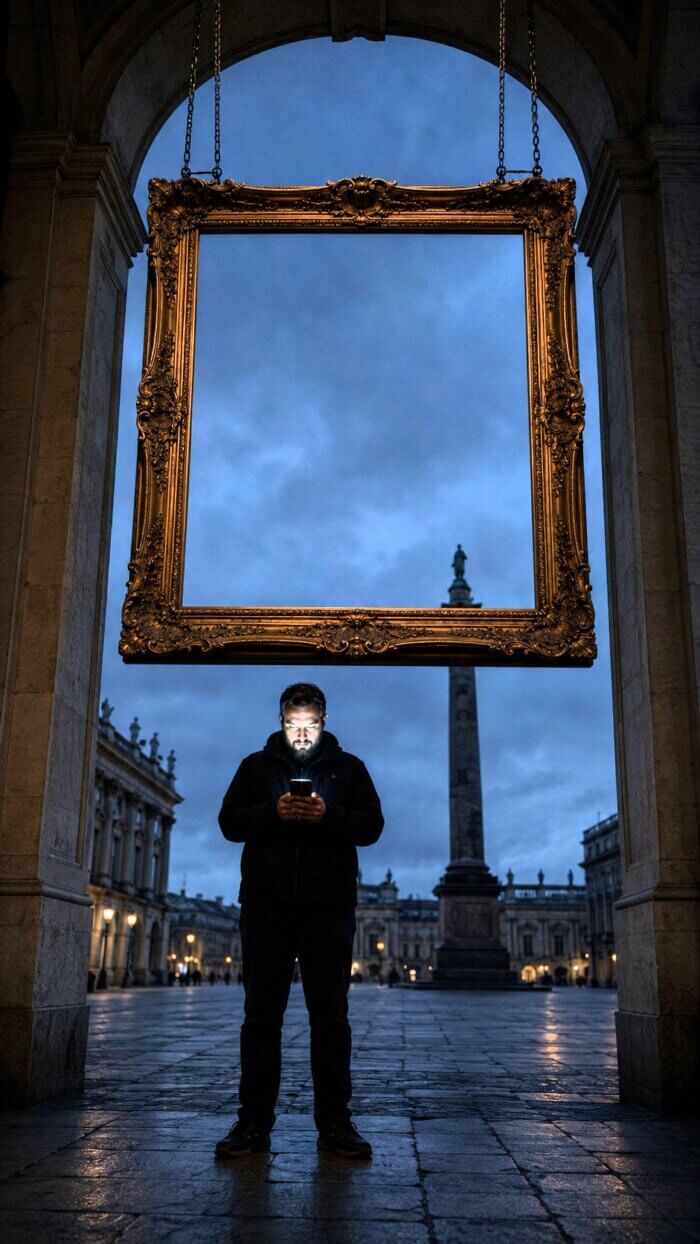
“The most dangerous frame is not the one you object to. The most dangerous frame is the one you don't even recognize as a frame.”
🎧 Topics Outline:
🟢 Intro & Definition
- Welcome to Digression | Welcome and introduction to the episode.
- The foundation: Pictures and frames | What distinguishes a narrative (meaning and value foundation) from a frame (narrative frame) and the actual image content?.
- The core problem | Why the most dangerous frame is the one we don't even perceive as such.
🔍 The Nature of Framing
- The linguistic experiment | How the same act is assessed in completely different ways by terms such as ‘demonstrators’ vs. ‘climate chaos’.
- Automatic evaluation | Why our brain frames constantly and unconsciously in fractions of a second to reduce complexity.
- The Limit to Lies | When does the mere classification give way to a deliberate false narrative?.
💥 Dynamics on Social Media & Case Studies
- The Truth of the Masses | How completely distorted images solidify through constant repetition in social media beefs.
- Case study Lautfunk | The Selective Narrative on the Loss of Monetization and the Correction of AI Voices Lautfunk RAW.
- Transparency & Accessibility | The use of AI as an aid in dyslexia.
- The case of Amy Zedek | review of the dynamics two years ago, the influence of wide-ranging channels and a critical self-reflection on his own podcast episode at the time.
🛠 The Tools of Manipulation
- The Analogy of Art | Why the frame is sometimes more valuable (or determines the value) than the image itself.
- The Toolbox of Framing | How contexts are deliberately shifted by:
- Labels & Labels (Activist, hater, expert).
- Selective omissions (Cut screenshots and video clips).
- dramaturgy (Chronological order of events).
- Source selection When it comes to opinion blogging.
- Audiovisual framing | The subtle power of thumbnails, sub-headlines, and the psychological effect of background music in video editing.
- In-Group vs. Out-Group | The Game of Enemy Images (‘We vs Die’).
🛡 Counter strategies & Conclusion
- The justification trap | Why defense within the opposing frame only confirms its rules of the game.
- The meta-view | Dissect the invisible frame like a surgeon to make it visible.
- Reframing | Give the picture a new, more objective meaning.
- The 4 test questions against manipulation | What to pay attention to (emotional words, role distribution, omissions, profit).
- Outro | Summary, critical classification of the current network culture and adoption.


Advertising:
Related episodes:
Contributors to this episode


Playing time: 0:27:16
Date of admission: 10.06.26
This episode is from season 4, there are a total of 4 seasons.
One According to Funk Publication Cartel Production - Where stories are transmitted unmistakably.
Podcast license:

This work is licensed under a Creative Commons Attribution-NonCommercial-ShareAlike 4.0 International License

Note: This post contains affiliate links. If you shop through these links, I'll get a small commission at no extra cost to you.
Related posts
Discover more from LautFunk Podcast & Blog
Subscribe to get the latest posts sent to your email.

Author: Sascha Markmann
Sascha Markmann is a creative mind with a moving biography – and a person who has rediscovered life after a stroke. After working as a paramedic and elderly caregiver, Sascha found his way into creative expression. As a blogger, podcaster, musician and visual storyteller, he brings together things that just don't fit at first glance: He combines his keen enthusiasm for technology – from self-hosted servers to electronic music production – with emotional depth and an oblique sense of humor. His contributions are somewhere between borderline, acid basslines and assistance – honestly, directly and with a wink. Guiding principle: “Audio-visual dullness with no usefulness – but perhaps that's why it's so valuable.” View all posts by Sascha Markmann
 English