
| transcript | |
|---|---|
|
00:00 - 0:00:02
*Music*
|
|
|
0:00:02 – 0:00:31
[Music]
|
|
|
0:00:31 – 0:00:41
Hello and welcome to a new episode of debunking. I'm Sascha Markmann and I
|
|
|
0:00:41 – 0:00:49
I'm not going to deviate greatly from the subject in this episode. Today's topic,
|
|
|
0:00:49 – 0:01:02
This is inspired by a stranded humpback wall, I believe in the Baltic Sea. Huiuiuiui,
|
|
|
0:01:02 – 0:01:13
How do I start? Surely each of you has noticed that for some time now a humpback wall
|
|
|
0:01:13 – 0:01:24
is stranded in the Baltic Sea and that there is an extreme media attention around it. But
|
|
|
0:01:24 – 0:01:35
Not only in traditional media, but also in social media. And I find it interesting,
|
|
|
0:01:35 – 0:01:49
I'm so excited about this, because I think this whale is more.
|
|
|
0:01:49 – 0:01:59
as just a stranded marine mammal on a sandbank in the Baltic Sea, because I believe
|
|
|
0:01:59 – 0:02:08
This deep dissatisfaction that we have in society today plays into everything.
|
|
|
0:02:08 – 0:02:18
Suddenly we are calling for political solutions. When experts say,
|
|
|
0:02:18 – 0:02:25
that you can not do much more and the animal will die, then immediately a petition will
|
|
|
0:02:25 – 0:02:33
started. It is called for election rescue and I think that one thing has to be considered,
|
|
|
0:02:33 – 0:02:45
This is nature. I mean, that's what happens in nature. I mean, I know except for a neighbor
|
|
|
0:02:45 – 0:02:53
from the neighboring house, where no one cares if the rat, one of the rats,
|
|
|
0:02:53 – 0:03:06
He lies on the sidewalk and is dead. Or the raven chicks lie on the ground and yes,
|
|
|
0:03:06 – 0:03:14
It is assumed whether it was the magpies, which I believe also belong to the raven birds.
|
|
|
0:03:14 – 0:03:24
Yes, I think we humans have simply forgotten how to deal with certain natural phenomena. I know,
|
|
|
0:03:24 – 0:03:33
that we have become accustomed to stringing rivers into tight corsets and then wonder every year
|
|
|
0:03:33 – 0:03:41
about flood events around these rivers by giving the rivers evasive options
|
|
|
0:03:41 – 0:03:50
has sealed natural floodplain landscapes, cut them off, drained them,
|
|
|
0:03:50 – 0:04:00
because it can become usable farmland, building land and you have not seen it. And then they will
|
|
|
0:04:00 – 0:04:08
Call again, someone has to do something. Yes, you did it all with a lot of money,
|
|
|
0:04:08 – 0:04:14
as it is today and now you have to renaturalize everything with much more money.
|
|
|
0:04:14 – 0:04:21
I have lived in Datteln on the canal and there is also a mill stream,
|
|
|
0:04:21 – 0:04:27
That's what it's called. I mean, we used to call them Köttelbäcker because there's just the sewage
|
|
|
0:04:27 – 0:04:35
the streets, the houses went in and then stop over this Mühlenbach into the Lippe.
|
|
|
0:04:35 – 0:04:43
Yeah, what did you do today? The project went on for a long time because it started at the source.
|
|
|
0:04:43 – 0:04:53
It's all the way down to the mouth of the lip. It has been re-naturalized and has a large
|
|
|
0:04:53 – 0:04:59
A tube is placed where the wastewater flows along, which then ultimately goes to a sewage treatment plant and
|
|
|
0:04:59 – 0:05:08
then cleared into one's lip. It cost a lot of money, but we had
|
|
|
0:05:08 – 0:05:14
I've had this before and this river had a nice run when I saw these old ones.
|
|
|
0:05:14 – 0:05:21
I looked at recordings. He just meanders through dates and goes through
|
|
|
0:05:21 – 0:05:27
the Sechensiedlung and there you have packed all this into a tight corset and there is also
|
|
|
0:05:27 – 0:05:35
especially in winter time, i.e. early spring, when the temperatures are better
|
|
|
0:05:35 – 0:05:42
Regularly stop flooding. This is not as dramatic now as stopping at the great rivers,
|
|
|
0:05:42 – 0:05:49
But that's there too. And then every time the calls get big. Or if the lip over the
|
|
|
0:05:49 – 0:05:55
Shore occurs in Asen, which is a district of Datteln or actually more or less a permanent
|
|
|
0:05:55 – 0:06:04
village. There is also a big call for political measures and I always think of people like that,
|
|
|
0:06:04 – 0:06:12
This is nature. When you go and force nature into a tight corset, things like that happen.
|
|
|
0:06:12 – 0:06:22
It's the same with this animal. We have been destroying the sea for decades.
|
|
|
0:06:22 – 0:06:32
almost 100 years. There are systems in there that communicate with low frequencies for submarines.
|
|
|
0:06:32 – 0:06:41
make and who doesn't know what, all the sonar stuff, that's really swine-loud under
|
|
|
0:06:41 – 0:06:48
water. I don't know if you've tried this before when you're swimming in the sea.
|
|
|
0:06:48 – 0:06:54
Just put your head under the water and hear what you hear. If you now
|
|
|
0:06:54 – 0:07:02
If your ears are full of water, you can hear a lot. You can hear the engines of the ships,
|
|
|
0:07:02 – 0:07:10
You can hear the screws screwing through the water from the propulsion of the ships. You can hear
|
|
|
0:07:10 – 0:07:18
Marine animals making noises and so on. It's not a quiet place, it's really loud.
|
|
|
0:07:18 – 0:07:26
And if there is such a sonar system or stop this low-frequency communication system
|
|
|
0:07:26 – 0:07:33
And then there's what's so many times louder, that's what's causing damage to such a large number of people.
|
|
|
0:07:33 – 0:07:37
Marine mammals and they have problems orienting themselves.
|
|
|
0:07:37 – 0:07:45
That such a young humpback whale, Timmy Hope, I do not know what it is currently called,
|
|
|
0:07:45 – 0:07:57
It's so tragic in the book. That's not nice to look at and it hits me as someone,
|
|
|
0:07:57 – 0:08:04
who likes animals and that not only on the plate, but also so really, hard to bear,
|
|
|
0:08:04 – 0:08:13
Because I can understand how the animal suffers. Such a humpback whale weighs
|
|
|
0:08:13 – 0:08:19
Just hold a few tons and if there is too little water, it presses on the organs. He is yes
|
|
|
0:08:19 – 0:08:32
They are not made to lie like this, but to swim freely in the sea. That's what
|
|
|
0:08:32 – 0:08:36
She didn't always do it. I mean, humpback whales once came from the land, so from the water,
|
|
|
0:08:36 – 0:08:47
Then from the land back into the water, so evolutionary. But I also believe that all the misery,
|
|
|
0:08:47 – 0:08:55
It has developed into a very big problem. Because on social media
|
|
|
0:08:55 – 0:09:01
It is called for and demanded, then there are people who represent themselves,
|
|
|
0:09:01 – 0:09:12
They are the big problem solvers and all the doctors around. Others make livestreams,
|
|
|
0:09:12 – 0:09:23
Videos and everyone has an opinion on it and everyone gives their supposed expertise.
|
|
|
0:09:23 – 0:09:34
In the end, all this is only in murky fish or just in murky, murky fish I already have
|
|
|
0:09:34 – 0:09:42
I said, poking around in fog. I don't think a real solution has been found to this day.
|
|
|
0:09:42 – 0:09:48
If I remember correctly, I had seen earlier that she already had the animal there.
|
|
|
0:09:48 – 0:09:58
They got free. I think that's a tough number. And why is it so now,
|
|
|
0:09:58 – 0:10:03
You can be so outraged that the government and
|
|
|
0:10:03 – 0:10:09
The authorities aren't doing anything? For my part, I just believe that such a deepest
|
|
|
0:10:09 – 0:10:17
There is dissatisfaction in society. People go to work and see everywhere,
|
|
|
0:10:17 – 0:10:26
That the cost rises, no matter how much I bounce off, the money isn't enough front and back
|
|
|
0:10:26 – 0:10:36
and I am a child born 77 and even there was already the promise, a single earner
|
|
|
0:10:36 – 0:10:43
You can have a family, you haven't been for a long time. And if you work hard enough,
|
|
|
0:10:43 – 0:10:48
You can also build a house. Very few of my parents have a home.
|
|
|
0:10:48 – 0:10:54
but only those who have really earned well or who have inherited,
|
|
|
0:10:54 – 0:11:01
They could afford a home. In my generation, I know very few people.
|
|
|
0:11:01 – 0:11:09
who have a home, which they have not financed by heirs or because they
|
|
|
0:11:09 – 0:11:18
Really have a good job. I've been fully aware, at least since I did this.
|
|
|
0:11:18 – 0:11:24
At the end of the 80's I noticed how the economy stood, then in the 90's,
|
|
|
0:11:24 – 0:11:29
In the mid-90s, it looked a bit better, but then it was kind of so slow
|
|
|
0:11:29 – 0:11:37
Downhill again. Even if Germany was export world champion, the workers have
|
|
|
0:11:37 – 0:11:42
Always lost and lost and lost. Prices have risen and
|
|
|
0:11:42 – 0:11:48
In the end, wages are not. Sometimes they've even sunk, real. And I can understand,
|
|
|
0:11:48 – 0:11:54
that there are just about the many problems that we have in the current time, wars,
|
|
|
0:11:54 – 0:12:04
wars even just around the corner, human rights violations, unnecessary wars,
|
|
|
0:12:04 – 0:12:12
In the end, it's all about some rich people getting richer. And this
|
|
|
0:12:12 – 0:12:17
In the past, we often had situations like this.
|
|
|
0:12:17 – 0:12:24
They were used to speculate on the stock market. That was the only thing behind the
|
|
|
0:12:24 – 0:12:33
Hand made. Today, this is almost bounced over in certain oval offices,
|
|
|
0:12:33 – 0:12:41
who has made millions or billions of profits again on the stock market by any
|
|
|
0:12:41 – 0:12:50
actions. I can understand that you just get totally frustrated by politics,
|
|
|
0:12:50 – 0:12:58
There is no solution to seemingly simple problems. These problems are usually
|
|
|
0:12:58 – 0:13:05
highly complex. Because if you interrupt it again, most of the time there is somewhere behind
|
|
|
0:13:05 – 0:13:18
a problem and its solution a value. A value of any currency unit. 'Cause I can do this
|
|
|
0:13:18 – 0:13:28
Know-how, the technology that manpower purchases to solve problems. The problem we face today
|
|
|
0:13:28 – 0:13:33
We have days with our infrastructure. That's not two years, four years, six years old.
|
|
|
0:13:33 – 0:13:41
The problem arose in the 80s. No one knew we were getting so much traffic.
|
|
|
0:13:41 – 0:13:49
Couldn't anyone have guessed that we just cross so many goods and other things with the truck
|
|
|
0:13:49 – 0:13:54
Send across the area. There were already concepts that something like this could be put on the rails.
|
|
|
0:13:54 – 0:14:03
can relocate. Instead, they went and dismantled the rails. Because in the end
|
|
|
0:14:03 – 0:14:11
Many state-owned companies were privatized and then a joint stock company was set up.
|
|
|
0:14:11 – 0:14:17
And the people, the shareholders, also want to have a certain return. And then
|
|
|
0:14:17 – 0:14:26
Everything that was not profitable and is just abolished, repelled, sold, discontinued.
|
|
|
0:14:26 – 0:14:36
Many of the problems should have been addressed many years ago. The great outrage of
|
|
|
0:14:36 – 0:14:45
Heating shutter in the last legislative period. Oh my God, I'm not allowed to heat with gas anymore,
|
|
|
0:14:45 – 0:14:55
I need to install an expensive heat pump. This is ultimately a consequence of a
|
|
|
0:14:55 – 0:15:05
Behave what has been around for 60 years by blowing greenhouse gases into the world. And
|
|
|
0:15:05 – 0:15:11
It is now quite clear that some processes are taking place in the
|
|
|
0:15:11 – 0:15:18
Just change nature. I know one says this, the other says that, but I'm a human being
|
|
|
0:15:18 – 0:15:24
the data and when I look at, analyze and interpret data for myself, I see
|
|
|
0:15:24 – 0:15:33
Already a pattern. Nature starts blooming earlier, the trees are more likely to get foliage and so on
|
|
|
0:15:33 – 0:15:40
And so on. It just changes way too much and way too fast to have natural origins.
|
|
|
0:15:40 – 0:15:46
have. And if you just look at climate data, then such changes happen.
|
|
|
0:15:46 – 0:15:52
Actually, not so fast. Unless there's a volcano erupting somewhere that's
|
|
|
0:15:52 – 0:15:59
It was blown into the atmosphere by some gases. And then it really needs
|
|
|
0:15:59 – 0:16:07
It's a long time until the new system is stable again. I can understand,
|
|
|
0:16:07 – 0:16:14
When you think about it, you don't know how to pay for the energy, you don't know
|
|
|
0:16:14 – 0:16:19
how to finance the tank so that you can get to work, so that you can get the tank back
|
|
|
0:16:19 – 0:16:26
You can finance it so you can get to work and so on. I can understand if you have such
|
|
|
0:16:26 – 0:16:32
Worried that there's just a deep dissatisfaction and then there's such a thing as
|
|
|
0:16:32 – 0:16:39
A stranded election. And that's a wonderful subject, just to get this anger,
|
|
|
0:16:39 – 0:16:45
This disappointment to the authorities - in the past it was the Church, today it is the government -
|
|
|
0:16:45 – 0:16:55
Just take a breath and then simply stand in disbelief as to why you should choose a humpback.
|
|
|
0:16:55 – 0:17:02
Just can't help. And now to the other side. I started with the
|
|
|
0:17:02 – 0:17:16
theme of nature. Animals are dying, people are dying, and I don't know if this is the case.
|
|
|
0:17:16 – 0:17:22
The natural phenomenon, the birth, the life span in between and the death after that still today
|
|
|
0:17:22 – 0:17:28
is conscious. We celebrate when someone is born. We are also pleased about it,
|
|
|
0:17:28 – 0:17:34
If he enjoys his life. But when he grows old and needs care,
|
|
|
0:17:34 – 0:17:43
Where's the guy? Rarely in the circle of loved ones, rarely in the circle of family. If people still
|
|
|
0:17:43 – 0:17:50
If you can live at home, you are usually lonely. If not, then they are
|
|
|
0:17:50 – 0:17:59
in the nursing home. You do everything sickness and even the end of life. The Difficult Phase
|
|
|
0:17:59 – 0:18:06
Most of the time, not always, but most of the time, it's shifted outwards. As they say
|
|
|
0:18:06 – 0:18:16
Beautiful in marketing, German "outsourced". Such things that are unpleasant, uncomfortable,
|
|
|
0:18:16 – 0:18:25
They are then pushed to the side. The life, the new life, that is welcomed. Yes, if it is more difficult
|
|
|
0:18:25 – 0:18:33
It will be done, then the matter will be dealt with. Sounds hard, but I'm someone who's been holding on for a long time
|
|
|
0:18:33 – 0:18:40
I've worked in nursing, I've often experienced it the same way. Especially if not just
|
|
|
0:18:40 – 0:18:47
Physical problems have occurred, but also psychological changes. There's a bunch
|
|
|
0:18:47 – 0:18:57
Diseases that make it harder and harder. Then it is
|
|
|
0:18:57 – 0:19:03
Move to the old people's home relatively quickly. Doesn't fit into the concept of life anymore,
|
|
|
0:19:03 – 0:19:10
where both partners have to go to work in order to make ends meet somehow,
|
|
|
0:19:10 – 0:19:16
To be able to afford something somehow. And if that's only a five-day vacation every two years
|
|
|
0:19:16 – 0:19:34
Allowed in Maloka. And then there's that frustration. I hope you can mine
|
|
|
0:19:34 – 0:19:43
Understand thought processes and that I find this really abstruse, how many live streams made there
|
|
|
0:19:43 – 0:19:53
of people who ultimately have no idea about it, neither of biology nor of the
|
|
|
0:19:53 – 0:20:04
Logistics that you have to do to get rid of a problem like a 10-ton humpback whale,
|
|
|
0:20:04 – 0:20:15
about the cost factor. Because we live in a time when we actually give value to life.
|
|
|
0:20:15 – 0:20:25
And at a time when you are just thinking about it, care allowances or care benefits in kind,
|
|
|
0:20:25 – 0:20:30
That's when you get care,
|
|
|
0:20:30 – 0:20:38
professional care, to shorten and even for care grade 1,
|
|
|
0:20:38 – 0:20:44
who has already received nothing, but except for a small expense compensation
|
|
|
0:20:44 – 0:20:52
for help or for simple tasks, if you want to employ a cleaner,
|
|
|
0:20:52 – 0:20:57
The apartment is cleaned once a week or every two weeks.
|
|
|
0:20:57 – 0:21:05
If you think about it, you can take it away from people. And nursing grade 2 also needs
|
|
|
0:21:05 – 0:21:15
Not so much, because the care is not expensive. We live in such times. me
|
|
|
0:21:15 – 0:21:23
find it questionable. I find it really worrying and now I've lost the thread,
|
|
|
0:21:23 – 0:21:29
'Cause I'm actually deviant. We just have to accept that in the world,
|
|
|
0:21:29 – 0:21:46
There are events in nature that are sad, but cannot be changed. If you are before
|
|
|
0:21:46 – 0:21:54
If the rivers had not been straightened for many, many years, the problem would not have been solved today.
|
|
|
0:21:54 – 0:22:04
with the flood. Wouldn't you go through the woods to find roads?
|
|
|
0:22:04 – 0:22:13
Building? Wouldn't you regularly name wildlife on highways? You know how bad that is,
|
|
|
0:22:13 – 0:22:22
If you see such a deer, what collides with a car, what arrives with 150 things? me
|
|
|
0:22:22 – 0:22:28
I saw it live. The poor animal was still alive.
|
|
|
0:22:28 – 0:22:32
Thank goodness the hunter came and redeemed it.
|
|
|
0:22:32 – 0:22:37
But it was really agonizing to watch.
|
|
|
0:22:37 – 0:22:43
You couldn't have saved it anymore because it was pretty tattered.
|
|
|
0:22:43 – 0:22:49
Well, we humans are a bit strange.
|
|
|
0:22:49 – 0:22:56
So much sympathy for a humpback whale, but stop, yes, how many have gone by?
|
|
|
0:22:56 – 0:23:02
How many have passed this poor deer?
|
|
|
0:23:02 – 0:23:06
Oh, yeah, I think that's enough.
|
|
|
0:23:06 – 0:23:10
If you have anything to say, I look forward to
|
|
|
0:23:10 – 0:23:12
Read in the comments.
|
|
|
0:23:12 – 0:23:17
Otherwise, the whole podcasts give star ratings.
|
|
|
0:23:17 – 0:23:22
It would make me happy and recommend me further.
|
|
|
0:23:22 – 0:23:24
Goodbye, Sasha.
|
|
|
0:23:24 – 0:23:31
[Music]
|
|
|
0:23:31 – 0:23:34
[Music]
|
|
|
0:23:34 – 0:23:40
[Music]
|
|
|
0:23:40 – 0:23:46
[Music]
|
|
|
0:23:46 – 0:23:52
[Music]
|
|
|
0:23:52 – 0:23:58
[Music]
|
|
|
0:23:58 – 0:24:01
[Music]
|
|
|
0:24:01 – 0:24:07
[Music]
|
|
|
0:24:07 – 0:24:13
[Music]
|
|
|
0:24:13 – 0:24:19
[Music]
|
|
|
0:24:19 – 0:24:25
[Music]
|
|
|
0:24:25 – 0:24:28
[Music]
|
|
|
0:24:28 – 0:24:34
[Music]
|
|
|
0:24:34 – 0:24:40
[Music]
|
|
|
0:24:40 – 0:24:46
[Music]
|
|
|
0:24:46 – 0:24:52
[Music]
|
|
|
0:24:52 – 0:24:55
[Music]
|
|
|
0:24:55 – 0:25:01
[Music]
|
|
|
0:25:01 – 0:25:07
[Music]
|
|
|
0:25:07 – 0:25:13
[Music]
|
|
|
0:25:13 – 0:25:20
[Music]
|
|
|
0:25:20 – 0:25:23
[Music]
|
|
|
0:25:23 – 0:25:29
[Music]
|
|
|
0:25:29 – 0:25:35
[Music]
|
|
|
0:25:35 – 0:25:41
[Music]
|
|
|
0:25:41 – 0:25:47
[Music]
|
|
|
0:25:47 – 0:25:50
[Music]
|
|
|
0:25:50 – 0:25:56
[Music]
|
|
|
0:25:56 – 0:26:02
[Music]
|
|
|
0:26:02 – 0:26:08
[Music]
|
|
|
0:26:08 – 0:26:15
[Music]
|
|
|
0:26:15 – 0:26:18
[Music]
|
|
|
0:26:18 – 0:26:26
[Music]
|
|
|
0:26:26 – 0:26:33
[Music]
|
|
|
0:26:33 – 0:26:40
[Music]
|
|
|
0:26:40 – 0:26:43
[Music]
|
|
|
0:26:43 – 0:26:49
[Music]
|
|
|
0:26:49 – 0:26:55
[Music]
|
|
|
0:26:55 – 0:27:01
[Music]
|
|
|
0:27:01 – 0:27:07
[Music]
|
|
|
0:27:07 – 0:27:10
[Music]
|
|
|
0:27:10 – 0:27:16
[Music]
|
|
|
0:27:16 – 0:27:22
[Music]
|
|
|
0:27:22 – 0:27:29
[Music]
|
|
|
0:27:29 – 0:27:36
[Music]
|
|
|
0:27:36 – 0:27:43
[Music]
|
|
|
0:27:43 – 0:27:45
[Music]
|
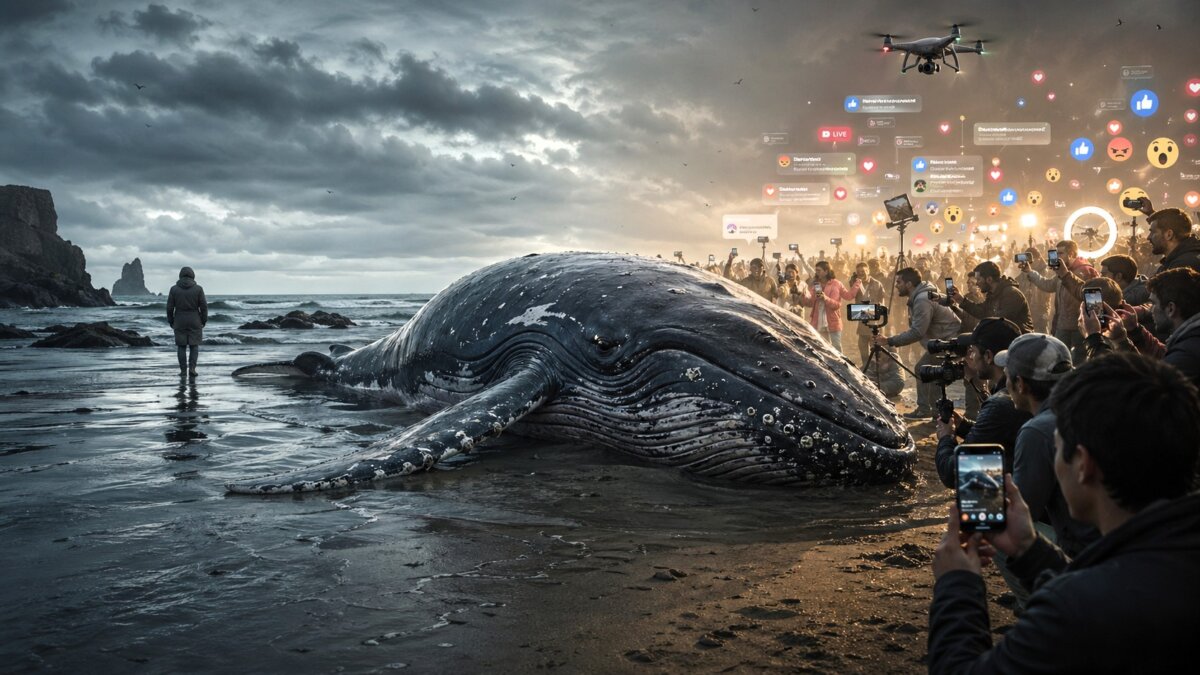
A stranded humpback whale in the Baltic Sea – and suddenly a whole country is looking. Media reports, social networks are running hot, live streams are being created, petitions are being started and the question is everywhere: Why doesn't anyone help?
But in this episode of ‘Difference’ It's not just a whale on a sandbank. It's about what triggers this event in us. Compassion, helplessness, anger, alienation from nature and the human expectation that every problem must be immediately solvable.
Sascha takes the stranded humpback whale as a starting point for a larger social consideration: Why do we immediately demand political solutions to natural events, even though we have been straightening rivers, noiseing the seas, destroying habitats and displacing unpleasant truths from our everyday lives for decades? Why does a whale move us to tears while we barely notice other sufferings?
Between media hysteria, genuine animal love, social overload and the uncomfortable realization that not every tragic event can be repaired, a consequence emerges about our strange relationship with nature – and about the anger that often does not apply to the actual event.
A thoughtful digression about a whale, our control fantasies and the question of whether we have forgotten to endure nature even when it is sad.
Thematic breakdown:
1. Welcome and introduction to the episode
Brief introduction to the new edition of ‘Difference’. Sascha announces that this time it's about a topic triggered by a stranded humpback whale in the Baltic Sea.
2. The stranded humpback whale as a trigger
The whale is first described as a concrete event: a large marine mammal, stranded, visibly suffering and suddenly in the center of great media attention.
3. Why this event is more than just a natural drama
Sascha makes the thesis that the whale not only stands for itself, but becomes a symbol of social dissatisfaction, helplessness and loss of control.
4. Media attention and social networks
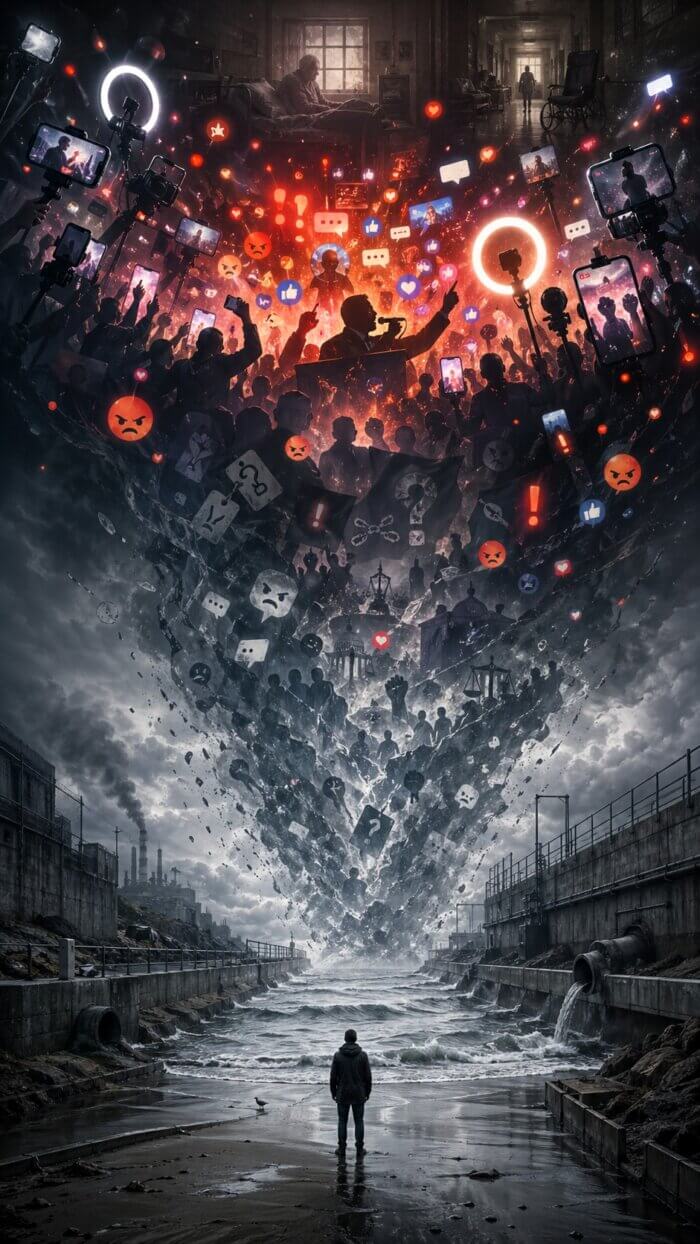
It's about how traditional media and social networks reinforce the topic. A sad natural event becomes a public spectacle with live streams, comments, demands and explosions of opinion.
5. The Call for Immediate Solutions
Sascha takes up the reaction of many people: As soon as experts say that little can be done, there is outrage, petitions and the demand that ‘someone has to do something’.
6. Natural events that we can no longer stand
The idea is expanded: Animals die, nature is sometimes brutal, sad and uncontrollable. The consequence asks whether we as a society have forgotten to understand such processes as part of nature.
7. Comparison with everyday animal suffering
Sascha contrasts the great compassion for the whale with smaller, more everyday examples: dead rats, raven chicks, injured wild animals or a deer after an accident. The question: Why do we see some suffering – and not others?
8. Nature in the Human Corset
The view changes to rivers, floods, straightened streams and sealed landscapes. Sascha shows how man constricts natural systems and later wonders about the consequences.
9. Example Mühlenbach and renaturation
On the basis of the Mühlenbach in Datteln, it is explained how earlier interventions in water bodies have to be reversed later with great effort. Here, renaturation appears to be an expensive correction of old decisions.
10. The sea as a noisy, disturbed habitat
Sascha talks about underwater noise: Marine engines, screws, sonar and low-frequency communication systems. The whale thus also becomes a symbol of a nature that is permanently disturbed by humans.
11. The suffering of the whale
The physical situation of the stranded animal is described: A whale is not made to lie on a sandbank. The weight presses on the organs, the suffering is real and difficult to endure.
12. Self-expression and supposed expertise
Now it's about people who appear on site or online, stream, comment and present themselves as problem solvers. Sascha criticizes the mixture of compassion, actionism and self-expression.
13. Social frustration as the fuel of indignation
The result broadens the view to rising costs, economic pressure, political disappointment and the feeling of many people that they can no longer live safely despite work.
14. The Lost Promise of Ascension
Sascha looks at previous generations and the promise that hard work will lead to prosperity, home and security. This promise is broken for many people today.
15. Politics, Infrastructure and Postponed Problems
The discussion leads to long-term unresolved problems: dilapidated infrastructure, dismantled rails, privatisation, pressure to return and political failures that have not only arisen in recent years.
16. Climate Change and Delayed Consequences
Using the example of heating, energy, climate gases and visible changes in nature, it is about the fact that many current conflicts are the consequences of decades of decisions.
17. The Whale as a Valve for General Anger
Sascha classifies the outrage around the whale as a valve: The anger seems to be directed at authorities or politics, but comes from deeper concerns, fears and disappointments.
18. Birth, Life, Illness and Death
The result takes a more existential turn: Nature means not only birth and life, but also disease, decay and death. It is precisely these inconvenient pages that are often repressed.
19. Outsourced suffering in care and society
From Sascha’s nursing experience, it describes how illness, age and psychological changes are often outsourced from everyday life – to homes, institutions or from the family’s point of view.
20. The Value of Living in a Cost Logic
Sascha talks about the fact that even care services, support and assistance are increasingly under cost pressure. This creates a stark contrast to the emotional demand that all life must be saved at all costs.
21. What is really solvable – and what is not
The result comes back to the basic question: Not every suffering can be prevented, not every natural event can be repaired. At the same time, human intervention often contributes to making such situations more likely or more severe.
22. Final reflection on man and nature
Finally, the question remains as to why we show so much compassion for a single whale, but pay little attention to many other forms of suffering. The episode ends as a thoughtful reflection on nature, responsibility, media, and human contradictions.
23. Adoption and invitation to discussion
Sascha invites listeners to share their thoughts, evaluate the episode and recommend the podcast.


Advertising:
Contributors to this episode


Playing time: 0:27:45
Date of admission: 28.04.26
This episode is from season 4, there are a total of 4 seasons.
One According to Funk Publication Cartel Production - Where stories are transmitted unmistakably.
Podcast license:

This work is licensed under a Creative Commons Attribution-NonCommercial-ShareAlike 4.0 International License

Note: This post contains affiliate links. If you shop through these links, I'll get a small commission at no extra cost to you.

 English