

| transcript | |
|---|---|
|
00:00 - 0:00:02
*Music*
|
|
|
0:00:02 – 0:00:31
[Music]
|
|
|
0:00:31 – 0:00:37
Hello and welcome to a new edition of the digression, where I occasionally,
|
|
|
0:00:37 – 0:00:46
Almost always deviate from the topic. I'm Sascha Machmann and I say hello. Today it is about
|
|
|
0:00:46 – 0:00:56
Phone calls or phone calls in general. You have to say that I'm one of the last.
|
|
|
0:00:56 – 0:01:04
Representatives of Generation X. So I was born pretty much to the end. I was born in 1977 and
|
|
|
0:01:04 – 0:01:13
Especially in this transitional phase. According to some researchers, there is still such a transitional generation,
|
|
|
0:01:13 – 0:01:22
because we were still the ones who played outside as children or with friends in it,
|
|
|
0:01:22 – 0:01:29
without a mobile phone, without digital devices and then sitting in front of the computer as a teenager
|
|
|
0:01:29 – 0:01:36
You may have experienced the interesting pages of the Internet a little later.
|
|
|
0:01:36 – 0:01:53
And his first computer that came like that, yes, I would say 86, that was a Schneider CPC 464
|
|
|
0:01:53 – 0:02:01
for the connoisseurs. No, not a C64 from Commodore, but stop it, because the better processor
|
|
|
0:02:01 – 0:02:09
"Yes," said my father. The stupid thing had been, yes, he had been better, he was faster,
|
|
|
0:02:09 – 0:02:19
But he didn't have as many games as the C64, which he did as a teenager or then as a child.
|
|
|
0:02:19 – 0:02:28
It wasn't exactly great. But I had to deal with programming and that was
|
|
|
0:02:28 – 0:02:37
An important and profound experience for my life, for my future life. The really
|
|
|
0:02:37 – 0:02:47
There was really real PC in '92, yes, that's it, '92. It opened in Rechlinghausen.
|
|
|
0:02:47 – 0:02:53
Mediamarkt just before Christmas and my parents just gave me a PC. And
|
|
|
0:02:53 – 0:03:01
Shortly thereafter, there was the first modem and so I got to know the Internet.
|
|
|
0:03:01 – 0:03:08
I am this intermediate generation. But there is this prejudice,
|
|
|
0:03:08 – 0:03:17
that the Generation Z, the digital natives or also called zoomers, interesting,
|
|
|
0:03:17 – 0:03:26
It's like the baby boomers or boomers who are afraid of talking on the phone.
|
|
|
0:03:26 – 0:03:37
And I'm also someone who's afraid of talking on the phone. I don't like it when someone goes unannounced.
|
|
|
0:03:37 – 0:03:45
Standing at my door, calling me unannounced. I just don't like it. I have so my
|
|
|
0:03:45 – 0:03:51
Daily schedule, my daily structure and this is like an unwanted intrusion for me every time.
|
|
|
0:03:51 – 0:04:01
I'm a person who discovered very early on that you just need a little text message.
|
|
|
0:04:01 – 0:04:09
You can write and sign up, you can ask if you have time. I know it's normal these days,
|
|
|
0:04:09 – 0:04:21
That's since Generation Y, because there were, yes, cell phones were once normal, so in the middle,
|
|
|
0:04:21 – 0:04:32
Everyone had a cell phone, so the younger people all had a cell phone and then they stopped.
|
|
|
0:04:32 – 0:04:44
asked. I think I bought my first cell phone, that must have been '97, '98,
|
|
|
0:04:44 – 0:04:55
Siemens S6. That was such a simple phone, could only text messages, no graphics
|
|
|
0:04:55 – 0:05:03
represent and make phone calls. You didn't do that because it was all pig-expensive.
|
|
|
0:05:03 – 0:05:09
I think a text message cost 30 pfennigs. I think if you clean it up today
|
|
|
0:05:09 – 0:05:21
Look, you're at least 35 or 40 cents. Yes, that was so. But I recognized for myself
|
|
|
0:05:21 – 0:05:35
I had to be able to send a text message. Tell me, do you have time tonight? It was discreet, he didn't have to immediately
|
|
|
0:05:35 – 0:05:47
If he had time, he could answer, and if he didn't, I knew, okay, he doesn't have a goat or time. And so it is
|
|
|
0:05:47 – 0:05:56
Today. I just don't like it when I have to make a phone call. This has now
|
|
|
0:05:56 – 0:06:03
Nothing to do with not being able to do that. I'm a podcaster, I can spend hours
|
|
|
0:06:03 – 0:06:10
entertain. We take pictures sometimes, four hours is no problem. I mean,
|
|
|
0:06:10 – 0:06:18
So a maximum of two hours is the rule, but three or four hours is not an issue. Maybe even
|
|
|
0:06:18 – 0:06:27
even longer if preliminary and follow-up discussions are still on the agenda. But why is that so,
|
|
|
0:06:27 – 0:06:37
I hate talking on the phone? Today you'd say I'm a neurodivergent. I know,
|
|
|
0:06:37 – 0:06:50
Today, everyone has ADHD or is a self-diagnosed autistic person. But no, I am
|
|
|
0:06:50 – 0:07:04
dyslexic and this is one of the spectrum disorders. And I'm just neurodiverse or more accurate
|
|
|
0:07:04 – 0:07:10
neurodivergent because there is a difference between neurotypical, neurodiverse and
|
|
|
0:07:10 – 0:07:15
neurodivergent. Maybe I should do a follow-up on what the difference is.
|
|
|
0:07:15 – 0:07:23
It is today. But to put it bluntly, we are all neurodiverse. We are all different
|
|
|
0:07:23 – 0:07:30
little in our neural network, in our brain, in our nervous system.
|
|
|
0:07:30 – 0:07:39
We are all different. But by and large, most people are there.
|
|
|
0:07:39 – 0:07:46
Much more so than a small group of them. This is neurotypical.
|
|
|
0:07:46 – 0:07:52
Neurodivers is the group that differs a bit more than
|
|
|
0:07:52 – 0:08:05
Keep the average. Yes, so I'm someone who's already stuck in that autism spectrum splint
|
|
|
0:08:05 – 0:08:13
falls in. When I look at my nephew today, my oldest nephew,
|
|
|
0:08:13 – 0:08:21
the diagnosed person with an attention deficit syndrome and me there with
|
|
|
0:08:21 – 0:08:27
Talk to my mother about it, she says, you two, you have so many parallels
|
|
|
0:08:27 – 0:08:33
In your behavior, as you used to sit on the floor for hours and play with Lego
|
|
|
0:08:33 – 0:08:36
You have or have been able to deal with anything else.
|
|
|
0:08:36 – 0:08:41
I'm pretty much absorbed in this task.
|
|
|
0:08:41 – 0:08:47
Then in other parts that you didn't enjoy or I also enjoyed,
|
|
|
0:08:47 – 0:08:55
If we don't focus at all, we are constantly mentally distracted. And yes,
|
|
|
0:08:55 – 0:09:03
I would say, by today's criteria, I have attention deficit disorder. It is true that:
|
|
|
0:09:03 – 0:09:12
Not very pronounced, but yes, that's there. And that's why I somehow
|
|
|
0:09:12 – 0:09:20
rituals as well. For me, for example, this is the case, I have, although I also have chaos in places,
|
|
|
0:09:20 – 0:09:28
A certain kind of order. Things always have a place with me. I always say,
|
|
|
0:09:28 – 0:09:35
Things have their place. I hate it and it's something that's unbearable to me,
|
|
|
0:09:35 – 0:09:43
When things are not in their place. This is especially difficult when you're with someone.
|
|
|
0:09:43 – 0:09:51
who lives together, who is pure chaos, because he does it not intentionally, but because he
|
|
|
0:09:51 – 0:10:01
It's so scattered his thoughts. And yes, I have to somehow arrange myself or even live with it,
|
|
|
0:10:01 – 0:10:08
I always have to look for something because it's not where it really is.
|
|
|
0:10:08 – 0:10:18
should. Yes, very difficult. On the other hand, I have a stack of shame on my printer
|
|
|
0:10:18 – 0:10:23
lie down. These are papers and documents that I have to clear away, but I also know
|
|
|
0:10:23 – 0:10:33
I need a part of it in two months at the latest. And I find the thought
|
|
|
0:10:33 – 0:10:41
Abstruse that I am going now, clearing away and, if necessary, tomorrow, the day after tomorrow, through
|
|
|
0:10:41 – 0:10:47
Some coincidence, because I have to prove something somewhere, sort things out again. And
|
|
|
0:10:47 – 0:10:56
If someone goes to my place and looks at a filing cabinet, it's all there.
|
|
|
0:10:56 – 0:11:03
neatly in such file register compartments, such bags, such hanging bags, I don't know,
|
|
|
0:11:03 – 0:11:09
as it is called, sorted. This is not stapled, the pages are all loose in it,
|
|
|
0:11:09 – 0:11:20
but stop in chronological order and stop by subject area or stop by health insurance,
|
|
|
0:11:20 – 0:11:31
Offices, authorities and so on. And that's good for me, because I need that,
|
|
|
0:11:31 – 0:11:42
Because things have their place. So much so that I'm a little bit different.
|
|
|
0:11:42 – 0:11:49
Like others. I know it's for a lot of people, especially my mother, who
|
|
|
0:11:49 – 0:12:00
really was born at the end of the baby boomer, totally normal is that no matter what time,
|
|
|
0:12:00 – 0:12:09
so there are such acceptable times until 8 p.m. for friends and acquaintances and until 10 p.m. for the
|
|
|
0:12:09 – 0:12:17
Family where you can call. It is also perfectly fine if you stop in the afternoon or
|
|
|
0:12:17 – 0:12:23
in the morning, but not over noon, unannounced at the door. For me is
|
|
|
0:12:23 – 0:12:33
This thought is unbearable. That's something that can't be done. I don't know if people in my
|
|
|
0:12:33 – 0:12:40
Old age can understand this, but I used to just go to my best friend,
|
|
|
0:12:40 – 0:12:48
To my sandbox buddy, I rang the bell, I asked, is Marco there? And either it said yes
|
|
|
0:12:48 – 0:12:53
or no, he can't get out now, he still has to do homework or yes,
|
|
|
0:12:53 – 0:13:00
He's here or he's already out. I wouldn't come up with the idea today because I think it's for me.
|
|
|
0:13:00 – 0:13:11
They see themselves as harassment. For me, harassment is an intrusion into my room.
|
|
|
0:13:11 – 0:13:22
As I said, as I have with my order, so it is with various others.
|
|
|
0:13:22 – 0:13:28
Share everything in my life in a very structured and organized way. If my partner isn't there,
|
|
|
0:13:28 – 0:13:35
I get up at the same time every day, I basically do the same thing.
|
|
|
0:13:35 – 0:13:44
Breakfast, I'll do the same
|
|
|
0:13:44 – 0:13:50
Things and go pretty much the same way
|
|
|
0:13:50 – 0:13:52
Time to bed. Very structured.
|
|
|
0:13:52 – 0:13:56
I know this is unimaginable for
|
|
|
0:13:56 – 0:14:01
Some people, but I feel
|
|
|
0:14:01 – 0:14:04
That's good on and right. I have this
|
|
|
0:14:01 – 0:14:06
I always don't do it when I'm in a partnership and I mostly have partners,
|
|
|
0:14:06 – 0:14:15
They are in control of the chaos, or the chaos is in control of them. And I don't mean now,
|
|
|
0:14:15 – 0:14:24
that this is somehow out of malice, but out of not being thoughtful or just like in the
|
|
|
0:14:24 – 0:14:31
current case from a kind of scattered, because the head with other things is much fuller,
|
|
|
0:14:31 – 0:14:44
How to take care of such things. For me it's really bad, not every day this
|
|
|
0:14:44 – 0:14:51
To have structure, but sometimes like that, sometimes like that, sometimes here, sometimes there, because it doesn't feel good.
|
|
|
0:14:51 – 0:14:59
Yeah, complicated thing, I know. I'm not that easy, and sometimes
|
|
|
0:14:59 – 0:15:09
Not easy to handle. And that's why, so if you know that and I've got you now
|
|
|
0:15:09 – 0:15:15
This information is given, maybe you can better understand that if I am so
|
|
|
0:15:15 – 0:15:21
I've structured my day for me and it's not a time slot to make phone calls right now
|
|
|
0:15:21 – 0:15:29
or for a re-registered visit, that I find this really disturbing, because then I know exactly,
|
|
|
0:15:29 – 0:15:37
that I will not be able to do the things I have planned for myself for this day,
|
|
|
0:15:37 – 0:15:47
Because I have to jump to the next possible point of the day. If the visit is too long
|
|
|
0:15:47 – 0:15:52
I don't eat when I'm alone because it's bedtime.
|
|
|
0:15:52 – 0:16:02
I hope you understand what I mean. Yeah, I just thought it was interesting,
|
|
|
0:16:02 – 0:16:14
that there are publications where the statement is that Generation Z is afraid of making phone calls.
|
|
|
0:16:14 – 0:16:22
And also the reasons that were mentioned there, how it is that one is afraid with the interaction,
|
|
|
0:16:22 – 0:16:34
Actions, social contacts, that they even avoid the fresh counter in the supermarket and therefore
|
|
|
0:16:34 – 0:16:44
slow supermarkets to reduce the supply at the fresh counter, because the
|
|
|
0:16:44 – 0:16:51
People who still buy at the fresh counter and not at the self-service part, less and less
|
|
|
0:16:51 – 0:16:58
will be. I just found that interesting.
|
|
|
0:16:58 – 0:17:00
I mean, if I went shopping earlier,
|
|
|
0:17:00 – 0:17:02
I mean, since the stroke I can
|
|
|
0:17:02 – 0:17:05
Now not so without problems, then I am
|
|
|
0:17:05 – 0:17:07
I like to go to the fresh food counter. me
|
|
|
0:17:07 – 0:17:11
We found the whole social interaction.
|
|
|
0:17:11 – 0:17:14
More than exhausting, but I've always had
|
|
|
0:17:14 – 0:17:16
I felt like I was doing something
|
|
|
0:17:16 – 0:17:20
Good thing if I take something fresh.
|
|
|
0:17:16 – 0:17:24
So if I don't go and get 20 slices of the cold cut and 20 slices of
|
|
|
0:17:24 – 0:17:29
the cold cut, because I have always taken these SB things, but I could
|
|
|
0:17:29 – 0:17:35
Let's say two slices of the fresh furs, two slices of the and of the make them
|
|
|
0:17:35 – 0:17:36
Always four.
|
|
|
0:17:36 – 0:17:41
And so I had a little more choice, I paid more, but
|
|
|
0:17:41 – 0:17:43
I had more choice.
|
|
|
0:17:43 – 0:17:45
Same with cheese.
|
|
|
0:17:45 – 0:17:48
If I buy a 200 gram package of Gouda,
|
|
|
0:17:48 – 0:17:51
Yes, then I have to stop,
|
|
|
0:17:51 – 0:17:55
I don't know how many slices there are in there, 16?
|
|
|
0:17:55 – 0:17:59
There I have several days over a week
|
|
|
0:17:59 – 0:18:02
Gouda cheese, but maybe I'd like to stop
|
|
|
0:18:02 – 0:18:04
eat a mild tilsiter, or
|
|
|
0:18:04 – 0:18:08
An Emmental, not just a young Gouda.
|
|
|
0:18:08 – 0:18:12
Yes, that's why,
|
|
|
0:18:12 – 0:18:14
I always liked to go there.
|
|
|
0:18:14 – 0:18:23
I think it's interesting to be able to talk about these generations.
|
|
|
0:18:23 – 0:18:33
I've never been so interested in this before, but there are actually such larger sections.
|
|
|
0:18:33 – 0:18:40
And that's 15, 20 years.
|
|
|
0:18:40 – 0:18:49
I'd say, yeah, that's 15, yeah, 15 years you can say.
|
|
|
0:18:49 – 0:18:54
Normally we speak of a generation of about 20 to 25 years.
|
|
|
0:18:54 – 0:19:04
But this division with these generations, there comes 15 so sooner, plus minus.
|
|
|
0:19:04 – 0:19:16
Because there are social movements, currents, events that shape such a generation.
|
|
|
0:19:16 – 0:19:25
And that's what we have, that division.
|
|
|
0:19:25 – 0:19:32
Yes, and I belong to Generation Z, because of my behavior.
|
|
|
0:19:32 – 0:19:40
But I was born at the end of Generation X, biologically.
|
|
|
0:19:40 – 0:19:46
I mean, I'm a person who's full of opposites anyway.
|
|
|
0:19:46 – 0:19:55
On the one hand I have chaos, on the other hand I have almost a meticulous,
|
|
|
0:19:55 – 0:20:01
I have, as my teacher said to me, a meticulousness in terms of order.
|
|
|
0:20:01 – 0:20:06
For those who don't know what meticulousness is, it's an embarrassingly meticulous accuracy.
|
|
|
0:20:06 – 0:20:13
It's more than accurate, but just like that.
|
|
|
0:20:13 – 0:20:17
So two or three magnifiers on top of each other and then get to the point.
|
|
|
0:20:17 – 0:20:25
It's one thing I have to live with,
|
|
|
0:20:25 – 0:20:29
To have this realization that I don't fit in somehow.
|
|
|
0:20:29 – 0:20:38
It's just like this special generation in Generation X,
|
|
|
0:20:38 – 0:20:46
It's almost like that, it's like a normal childhood, but it's already digitization in adolescence.
|
|
|
0:20:46 – 0:20:57
Well, you can see that this rigid classification does not always fit, because it
|
|
|
0:20:57 – 0:21:05
Although there are these coarse, large blocks, but in between there are always
|
|
|
0:21:05 – 0:21:16
Up to minor features. That was digitization. All right,
|
|
|
0:21:16 – 0:21:23
Let's summarize. I hate talking on the phone. I hate it when people
|
|
|
0:21:23 – 0:21:28
Visitors who have not registered. And I like to know that for a day
|
|
|
0:21:28 – 0:21:35
before, if not even longer, if possible. Otherwise, it puts me under a lot of stress.
|
|
|
0:21:35 – 0:21:45
And for me, it's normal. I know that it is not normal for others who are less
|
|
|
0:21:45 – 0:21:53
have problems, but as with technical articles or even, I don't know where that was,
|
|
|
0:21:53 – 0:22:03
in time or was it in focus or was it in the mirror article that I read there,
|
|
|
0:22:03 – 0:22:13
Generation Z is afraid of phone calls. Well, I've always been special and that
|
|
|
0:22:13 – 0:22:20
It's a good thing. Thank you for listening to me on this little journey of thought.
|
|
|
0:22:20 – 0:22:27
and I hope I didn't stray too much from you and these digressions were
|
|
|
0:22:27 – 0:22:34
more explanations to see the big and whole and I would be happy if you stop at the
|
|
|
0:22:34 – 0:22:41
next time it's called "The Digression" or at one of the other formats or stop at the
|
|
|
0:22:41 – 0:22:50
There will be a trial podcast. By the way, the rehearsal podcast is about making music as a hobby rehearsal,
|
|
|
0:22:50 – 0:22:59
Producer. Just google it or zoom in on your favorite app after a trial podcast.
|
|
|
0:22:59 – 0:23:02
I thank you and say goodbye, your Sasha.
|
|
|
0:23:02 – 0:23:06
[Music]
|
|
|
0:23:06 – 0:23:08
[Music]
|
|
|
0:23:08 – 0:23:11
[Music]
|
|
|
0:23:11 – 0:23:17
[Music]
|
|
|
0:23:17 – 0:23:23
[Music]
|
|
|
0:23:23 – 0:23:29
[Music]
|
|
|
0:23:29 – 0:23:35
[Music]
|
|
|
0:23:35 – 0:23:38
[Music]
|
|
|
0:23:38 – 0:23:44
[Music]
|
|
|
0:23:44 – 0:23:50
[Music]
|
|
|
0:23:50 – 0:23:56
[Music]
|
|
|
0:23:56 – 0:24:02
[Music]
|
|
|
0:24:02 – 0:24:05
[Music]
|
|
|
0:24:05 – 0:24:10
[Music]
|
|
|
0:24:10 – 0:24:15
[Music]
|
|
|
0:24:15 – 0:24:20
[Music]
|
|
|
0:24:20 – 0:24:25
[Music]
|
|
|
0:24:25 – 0:24:31
[Music]
|
|
|
0:24:31 – 0:24:34
[Music]
|
|
|
0:24:34 – 0:24:40
[Music]
|
|
|
0:24:40 – 0:24:46
[Music]
|
|
|
0:24:46 – 0:24:52
[Music]
|
|
|
0:24:52 – 0:24:58
[Music]
|
|
|
0:24:58 – 0:25:01
[Music]
|
|
|
0:25:01 – 0:25:07
[Music]
|
|
|
0:25:07 – 0:25:13
[Music]
|
|
|
0:25:13 – 0:25:19
[Music]
|
|
|
0:25:19 – 0:25:25
[Music]
|
|
|
0:25:25 – 0:25:28
[Music]
|
|
|
0:25:28 – 0:25:34
[Music]
|
|
|
0:25:34 – 0:25:40
[Music]
|
|
|
0:25:40 – 0:25:46
[Music]
|
|
|
0:25:46 – 0:25:53
[Music]
|
|
|
0:25:53 – 0:25:56
[Music]
|
|
|
0:25:56 – 0:26:03
[Music]
|
|
|
0:26:03 – 0:26:11
[Music]
|
|
|
0:26:11 – 0:26:18
[Music]
|
|
|
0:26:18 – 0:26:25
[Music]
|
|
|
0:26:25 – 0:26:28
[Music]
|
|
|
0:26:28 – 0:26:34
[Music]
|
|
|
0:26:34 – 0:26:40
[Music]
|
|
|
0:26:40 – 0:26:46
[Music]
|
|
|
0:26:46 – 0:26:52
[Music]
|
|
|
0:26:52 – 0:27:21
[Music]
|
|
|
0:27:21 – 0:27:24
[Music]
|

In this digression, I talk about why I don't like spontaneous phone calls and unannounced visits at all. It is not only about personal preferences, but also about topics such as neurodivergence, structural needs and the changes in communication behavior over generations.
A little trip into my childhood, my experiences with digitalisation – and the recognition of why a simple ‘ringing’ often means stress for me.
As always: A bit of diversion included. Have fun listening!
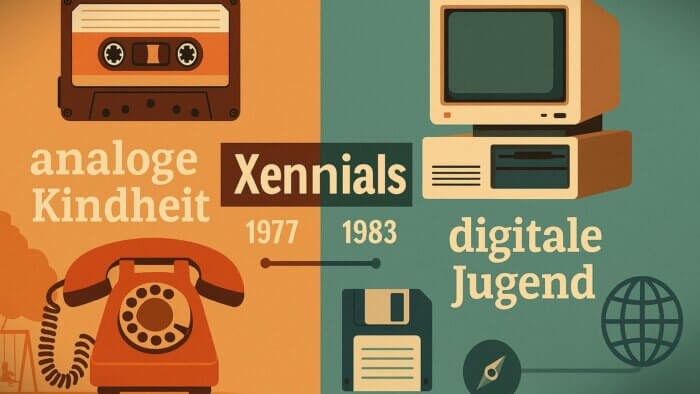
What are Xennials?
The so-called Xennials It is a small transition generation between Generation X (born 1965-1980) and Generation Y. They were about between 1977 and 1983 born and unite characteristics of both generations: As children, they experienced an analogue world – playing outside, dialling a phone – while as adolescents and young adults they witnessed digitalisation.
Xennials are often referred to as the ‘generation between chairs’: They remember a life without the Internet, but still grew up with digital technologies at an early age. As a result, they bring with them a special mix of traditional values, flexibility and technical affinity.
In the workplace, they combine the desire for stability (typical of Generation X) with the adaptability and innovation of Generation Y.
Topics Outline:
1. Welcome and presentation
– Brief introduction to who you are and what ‘deviation’ means
2. Talking on the phone and Generation X
– Own experience with telephone and mobile phone
– Growing up without digital devices, first computer experiences
3. Changes in communication
– Transition to SMS and later mobile devices
– Personal dislike of unannounced calls and visits
4. Neurodivergence and structural need
– Personal experience with dyslexia and neurodivergent behaviour
– Order, rituals and daily structure
5. Generational comparison
– Differences between Baby Boomers, Generation X, Y and Z
– Behaviour on the phone and social changes
6. Personal insights
– How unannounced disturbances confuse the daily routine
– Emotions and challenges in everyday life
7. Conclusion and summary
– Why structure is important
– Understanding of different communication needs
8. Farewell and outlook
– Thanks to the listeners
– Reference to other formats (e.g. trial podcast)
Links to the issue:


Advertising:
Contributors to this episode


Playing time: 0:27:24
Date of admission: 26.04.25
This episode is from season 4, there are a total of 4 seasons.
One According to Funk Publication Cartel Production - Where stories are transmitted unmistakably.
Podcast license:

This work is licensed under a Creative Commons Attribution-NonCommercial-ShareAlike 4.0 International License

Note: This post contains affiliate links. If you shop through these links, I'll get a small commission at no extra cost to you.

 English