

| transcript | |
|---|---|
|
00:00 - 0:00:02
*Music*
|
|
|
0:00:02 – 0:00:31
[Music]
|
|
|
0:00:31 – 0:00:39
Hello and welcome to a new edition of the digression. Where I occasionally or
|
|
|
0:00:39 – 0:00:45
Whatever, but some would almost never say deviate from the actual topic. me
|
|
|
0:00:45 – 0:00:55
I'm Sascha Machmann and say hello. Today's topic is "What's the truth?" And yes, I'm
|
|
|
0:00:55 – 0:01:01
In recent times, people have noticed that they are entitled to themselves or even the
|
|
|
0:01:01 – 0:01:11
Tell me, I have the absolute truth. I am the truth and want to
|
|
|
0:01:11 – 0:01:21
Let's talk today. The dilemma with the truth. We use the word daily with phrases such as
|
|
|
0:01:21 – 0:01:30
"Tell me the truth" or scientifically proven "My truth". But is it really
|
|
|
0:01:30 – 0:01:37
The same thing every time? We should perhaps define "truth" and "reality" for the first time.
|
|
|
0:01:37 – 0:01:46
Reality is what exists or happens. When it rains outside and we see it,
|
|
|
0:01:46 – 0:01:53
Then we can most likely say, yes, it's raining outside. If we now add this
|
|
|
0:01:53 – 0:02:03
Take weather radar and have a high-resolution picture of the rain, then we can say,
|
|
|
0:02:03 – 0:02:12
Yes, it's raining with us right now. That would be a reality that becomes the truth. But
|
|
|
0:02:12 – 0:02:22
First of all, these two things coexist. A truth can be subjective, and a truth can be subjective.
|
|
|
0:02:22 – 0:02:31
Reality is something that exists. So we can remember that reality is happening,
|
|
|
0:02:31 – 0:02:40
Truth arises where we try to translate this reality into language, numbers, or methods.
|
|
|
0:02:40 – 0:02:49
Translate. Sounds like a read, it is. Some people tell me they have the truth.
|
|
|
0:02:49 – 0:02:58
Recognized for itself. I can only do this with the help of Chatchibiti. Wink, wink. But we must
|
|
|
0:02:58 – 0:03:08
First, clarify or separate other terms. Truth, a statement, agrees with the
|
|
|
0:03:08 – 0:03:18
Reality about one. Knowledge, a statement that is true and for which we are comprehensible,
|
|
|
0:03:18 – 0:03:29
have reliable or supporting documents. Knowledge does not mean absolute fallibility. This is important,
|
|
|
0:03:29 – 0:03:39
Because I can also have false knowledge and then it is fallible. Certainty, a pure
|
|
|
0:03:39 – 0:03:48
personal sense of security, because when I am conscientious that I know something,
|
|
|
0:03:48 – 0:03:58
It doesn't mean it's right. So the feeling of security can be very deceiving,
|
|
|
0:03:58 – 0:04:07
You know the truth or you have that knowledge. Honesty. You say what you do for yourself
|
|
|
0:04:07 – 0:04:18
Keeps true. You can be honest and still be wrong. We just had, didn't we? The lie. Man
|
|
|
0:04:18 – 0:04:26
Deliberately claiming something that you yourself think is wrong in order to deceive. Then we still have
|
|
|
0:04:26 – 0:04:35
The error. You sincerely believe in false information. Then there are the
|
|
|
0:04:35 – 0:04:44
The wrong information. The wrong is passed on unchecked. It's a misdirection. They say one
|
|
|
0:04:44 – 0:04:54
true section to leave or create a false overall impression. If this is the case:
|
|
|
0:04:54 – 0:05:02
It was read aloud, it was read aloud, and it came from Chechypiti. I am unfortunately
|
|
|
0:05:02 – 0:05:12
I am unable to find such complex content thanks to my lack of cognitive transfer performance.
|
|
|
0:05:12 – 0:05:20
process. Now we come to a field in the natural sciences. There are
|
|
|
0:05:20 – 0:05:33
Truths are very important. For example, we assume or we know that a triangle
|
|
|
0:05:33 – 0:05:41
It always has 180 degrees. This is also true as long as this triangle is on a surface,
|
|
|
0:05:41 – 0:05:51
on a straight surface. If this area is curved, this triangle can have up to 270 degrees. To the
|
|
|
0:05:51 – 0:05:59
Example if this triangle is on a ball. Both statements are correct. Both
|
|
|
0:05:59 – 0:06:06
Statements are the truth. They only have different requirements and that is
|
|
|
0:06:06 – 0:06:15
also important. Because if you look at what we do in our everyday physics, let's say
|
|
|
0:06:15 – 0:06:23
those of the macrocosm, that is, the world visible to us, then these rules are the same for all of us.
|
|
|
0:06:23 – 0:06:30
And if I throw a stone from a tower, it will be with the and the speed, with the and the
|
|
|
0:06:30 – 0:06:37
Acceleration, which is always constant, falls to the ground. We can predict that,
|
|
|
0:06:37 – 0:06:44
We can prove this in an experiment and we can document it. These
|
|
|
0:06:44 – 0:06:53
However, rules do not apply in the other area, in the one macrocosm and what is the name of the other
|
|
|
0:06:53 – 0:07:01
The cosmos? My head is broken. In the world of quantum physics, for example, there are other
|
|
|
0:07:01 – 0:07:13
Rules for the same processes, but they exist at the same time. Somehow crazy. It
|
|
|
0:07:13 – 0:07:18
This is not my area. I don't know quantum physics very well.
|
|
|
0:07:18 – 0:07:24
I have to admit, I don't know. But we just saw it,
|
|
|
0:07:24 – 0:07:33
Two truths can coexist with each other.
|
|
|
0:07:33 – 0:07:43
Prerequisites. We can now also look at the whole thing in philosophy. What is
|
|
|
0:07:43 – 0:07:51
Truth from a philosophical point of view. And there we have different terms. We have
|
|
|
0:07:51 – 0:08:00
It is a subjective truth. This concerns the experience of an individual. For example, I feel it
|
|
|
0:08:00 – 0:08:08
Room as cold. Then we have the objective truth. This applies regardless of individual
|
|
|
0:08:08 – 0:08:17
Person. If you take out the meter and measure it, you can say, yes, this room has 17 degrees. Then
|
|
|
0:08:17 – 0:08:26
There is also the intersubjective truth. This is true for a number of people who have shared
|
|
|
0:08:26 – 0:08:33
Rules comprehensibly measure, for example, this temperature in the room. And they can then
|
|
|
0:08:33 – 0:08:41
Several people use tested thermometers to measure a temperature of 17 degrees.
|
|
|
0:08:41 – 0:08:51
That would be an intersubjective truth. So you can remember, objectivity means
|
|
|
0:08:51 – 0:08:58
Not that no one was involved. It means that the result does not depend on
|
|
|
0:08:58 – 0:09:06
It is the person who carried out the test. This can be done using mathematical methods,
|
|
|
0:09:06 – 0:09:16
Physical experiments, but also in everyday situations. Now let's get to the
|
|
|
0:09:16 – 0:09:26
Classical theory of truth. And here we come to the first term and that is correspondence,
|
|
|
0:09:26 – 0:09:37
the agreement. Statements fit reality. When I say the cup is there,
|
|
|
0:09:37 – 0:09:46
It can be proven several times that there is a cup there. I can take a picture of it,
|
|
|
0:09:46 – 0:09:53
I can bring witnesses, I can bring the cup when it's on the table,
|
|
|
0:09:53 – 0:10:02
document in different angles, make drawings and say, this is the truth,
|
|
|
0:10:02 – 0:10:11
The cup is there. This can also be measured using geometric methods. trigometry
|
|
|
0:10:11 – 0:10:18
can be placed here on tetrahylets and then stop as often as the surveyor in the small
|
|
|
0:10:18 – 0:10:25
Measure the scale of where the cup is in the room. Now on to the Corridor,
|
|
|
0:10:25 – 0:10:39
freedom of objection. I can check a statement, an event or, yes, that's enough,
|
|
|
0:10:39 – 0:10:49
whether different representations of one and the same vision coincide. For example, an
|
|
|
0:10:49 – 0:10:59
chain of events. How did the First World War begin? How did the Second World War begin? There's
|
|
|
0:10:59 – 0:11:07
Events that follow each other and which then result in a non-contradictory picture.
|
|
|
0:11:07 – 0:11:16
A problem with the thing is, a crime novel can be perfectly logical in itself, but still
|
|
|
0:11:16 – 0:11:32
Freely Invented. You have to check the chain of evidence or the evidence to make sure it is correct.
|
|
|
0:11:32 – 0:11:41
And to be true. Then there is pragmatism, probation in practice.
|
|
|
0:11:41 – 0:11:53
Truth claims show their value through testing or permanent probation. There you have to
|
|
|
0:11:53 – 0:12:02
Let's be careful. A lucky charm can really calm down before an exam. But he does not prove
|
|
|
0:12:02 – 0:12:12
supernatural forces. Something can be useful without being true. And yes, I have my own
|
|
|
0:12:12 – 0:12:18
I had a lucky charm when I went to exams. It was a little magical object,
|
|
|
0:12:18 – 0:12:27
Which was absolutely useless. But because I have a special meaning to this little object
|
|
|
0:12:27 – 0:12:40
It helped me to find the necessary focus to hold a good exam.
|
|
|
0:12:40 – 0:12:49
Delivering the result. Then there is the consensus. The ideal agreement. He meant it
|
|
|
0:12:49 – 0:12:59
Not a simple majority decision or a success of a propaganda action, but the agreement
|
|
|
0:12:59 – 0:13:08
reasonable parties under ideal conditions, free from coercion, manipulation or information control.
|
|
|
0:13:08 – 0:13:17
And that too was read now. You know, lack of cognitive transfer. So can
|
|
|
0:13:17 – 0:13:27
Consensus can be an indication of truth, but it is not a substitute for evidence. Yes,
|
|
|
0:13:27 – 0:13:38
Yeah, that's fine, isn't it? Let's now turn to the blog Everyday Life, Media and Society. My truth
|
|
|
0:13:38 – 0:13:48
versus Interpretation. Feelings are real as experiences. When someone is afraid of a noise
|
|
|
0:13:48 – 0:13:57
The night has. Is the feeling real? However, the cause may simply be that the cat is a
|
|
|
0:13:57 – 0:14:08
He threw the lighter off the table and it wasn't a burglar. Social constructs, institutional,
|
|
|
0:14:08 – 0:14:13
Indicative truth or reality.
|
|
|
0:14:13 – 0:14:27
Money, property, laws or borders do not exist by mere fantasy, but because we
|
|
|
0:14:27 – 0:14:37
they mutually recognize, institutionally secure and practically act to ensure that we have a
|
|
|
0:14:37 – 0:14:44
The social truth. The value of a bill, for example, is not in the paper,
|
|
|
0:14:44 – 0:14:53
it is stabilized by states, central banks, treaties and everyday acceptance.
|
|
|
0:14:53 – 0:15:03
A 10 euro note is not worth 10 euros because it says so, but because we believe or
|
|
|
0:15:03 – 0:15:12
because we know or because we believe it to be true that this note has a value of 10 euros and
|
|
|
0:15:12 – 0:15:19
It has a purchasing power of 10 euros. This is an interesting concept. Should we perhaps
|
|
|
0:15:19 – 0:15:26
Talk about it, too. There is a legal truth. A court asks,
|
|
|
0:15:26 – 0:15:36
what happens and what can be proven according to the rules of the procedure. An acquittal for lack of
|
|
|
0:15:36 – 0:15:48
Evidence does not necessarily mean that nothing has happened. It just shows that you don't
|
|
|
0:15:48 – 0:16:01
a chain of evidence or a lack of a chain of evidence cannot prove a historical reality; or
|
|
|
0:16:01 – 0:16:11
can prove sufficiently and this then leads to the free saying due to lack of evidence. Then come
|
|
|
0:16:11 – 0:16:17
Let's turn to a manipulative truth, the framing. There has been a recent one about this
|
|
|
0:16:17 – 0:16:26
Podcast of mine in disarray. I believe in 84. The interesting thing about framing is,
|
|
|
0:16:26 – 0:16:39
You don't have to lie. You just leave out certain little truths and keep going.
|
|
|
0:16:39 – 0:16:50
to a new truth in which context is omitted or comparator variables are changed. Let's take
|
|
|
0:16:50 – 0:16:58
For example, an example. The number of incidents has increased by 100 percent. This may now be in
|
|
|
0:16:58 – 0:17:06
sound dramatic at first when it comes to crimes or accidents at the nuclear power plant,
|
|
|
0:17:06 – 0:17:17
But if the number rises from 1 to 2, then that's true, it's a truth,
|
|
|
0:17:17 – 0:17:25
But it creates a completely different picture. For in the foreground is first,
|
|
|
0:17:25 – 0:17:34
The number of incidents has doubled. It is a distortion of the image. So we can
|
|
|
0:17:34 – 0:17:42
Not every manipulation needs a lie. Sometimes a full-fledged,
|
|
|
0:17:42 – 0:17:50
A carefully chosen truth, an apology, a carefully chosen truth. This memorandum was also
|
|
|
0:17:50 – 0:18:02
read. Thank you, ChatGBT, Gemini and Croc. Now there's another blog, that's the truth.
|
|
|
0:18:02 – 0:18:15
and power, but that's really very dull, let's say. Power does not decide on it.
|
|
|
0:18:15 – 0:18:26
what biologically or physically, mathematically, scientifically, it was, but it determined,
|
|
|
0:18:26 – 0:18:37
which discourse gains the upper hand, in which direction truth is formed,
|
|
|
0:18:37 – 0:18:53
what evidence, what evidence may be used. In the end, one can say,
|
|
|
0:18:53 – 0:19:00
Power cannot create reality arbitrarily, but it strongly influences,
|
|
|
0:19:00 – 0:19:08
which vision of reality is publicly visible, disseminated and socially
|
|
|
0:19:08 – 0:19:15
is recognized. You would also have to make an issue about it. We should do it in the future.
|
|
|
0:19:15 – 0:19:28
In summary, it can be said that not always what appears to be true can also be considered absolute truth.
|
|
|
0:19:28 – 0:19:36
apply. I've tried to show that there are different truths at the same time.
|
|
|
0:19:36 – 0:19:43
can give. And you always have to say, is that objective, is that subjective? And
|
|
|
0:19:43 – 0:19:51
I have the feeling that subjective truths are always very often taken as the truth.
|
|
|
0:19:51 – 0:20:00
will. 'Cause I've heard something, read something, which I then think is the truth, because it's also
|
|
|
0:20:00 – 0:20:09
Sometimes just my own opinion. Then there's the confirmation bias.
|
|
|
0:20:09 – 0:20:21
It's pretty much what's going on in different social media worlds when there's a truth in the world.
|
|
|
0:20:21 – 0:20:31
A bubble is considered true because all of them share the same or most of them share the same opinion.
|
|
|
0:20:31 – 0:20:38
Well, also an interesting topic. You'd have to do something about it. Perhaps one should
|
|
|
0:20:38 – 0:20:48
Just wonder what kind of statement that is. If it's a fact, it's an opinion, it's an opinion.
|
|
|
0:20:48 – 0:20:58
Feelings, is it an interpretation or even a prognosis? Then you should ask yourself, can you do that?
|
|
|
0:20:58 – 0:21:03
check. Is there data, documents,
|
|
|
0:21:03 – 0:21:10
The intersubjective process? So several people have seen this thing, there
|
|
|
0:21:10 – 0:21:16
Witnesses, even there the truth does not always equal the truth
|
|
|
0:21:16 – 0:21:22
is. Because people always pay attention to a little bit of other things.
|
|
|
0:21:22 – 0:21:30
You can already see that when there was an accident and you have 100 witnesses,
|
|
|
0:21:30 – 0:21:36
They will all tell you the same thing by and large. But there will also be deviations,
|
|
|
0:21:36 – 0:21:42
One of them looked at it, the other looked at it, the other looked at it.
|
|
|
0:21:42 – 0:21:51
If you look there, you can say that most of it happened, but the others did.
|
|
|
0:21:51 – 0:22:00
Things? This is very subjective, but it can be said that in general this
|
|
|
0:22:00 – 0:22:08
The accident that the witnesses describe happened as they described it. Then there are
|
|
|
0:22:08 – 0:22:18
How reliable are the sources? Is there self-interest in the sources? Or are
|
|
|
0:22:18 – 0:22:25
These sources are independently confirmed. In a physical experiment, the other
|
|
|
0:22:25 – 0:22:32
Scientists can reproduce the result. Then you can assume,
|
|
|
0:22:32 – 0:22:40
You can say yes, the result is true. It has been confirmed. You should always be
|
|
|
0:22:40 – 0:22:47
Are there uncertainties? And when there are uncertainties, those uncertainties became
|
|
|
0:22:47 – 0:22:57
Also named. It is not a sign of error or weakness, it is rather a sign of
|
|
|
0:22:57 – 0:23:08
Strength when considering uncertainties in the measurement method, uncertainties in the enumeration of facts, of knowledge
|
|
|
0:23:08 – 0:23:15
Openly named. And then you always have to ask yourself if you think you have the
|
|
|
0:23:15 – 0:23:24
Is there any information that could change your mind? If the honest answer
|
|
|
0:23:24 – 0:23:34
is, there is no, it is probably more of a defense of a non-truth, but rather
|
|
|
0:23:34 – 0:23:45
an opinion or identity that you would like to have this result. Finally, I would add another
|
|
|
0:23:45 – 0:23:59
Share some thoughts. Responsibly dealing with the truth. You don't have to go to everything
|
|
|
0:23:59 – 0:24:10
Have an irrefutable answer. One should separate rather cleanly according to what I know,
|
|
|
0:24:10 – 0:24:19
what do I guess, what did I feel, what did I hear and you always have to be honest
|
|
|
0:24:19 – 0:24:29
say and also ask, I know everything at all and there is no shame in admitting
|
|
|
0:24:29 – 0:24:38
If the answer is no. You can't always know everything, and I see it that way.
|
|
|
0:24:38 – 0:24:45
In the areas I am interested in, what rapid progress we are making. And
|
|
|
0:24:45 – 0:24:55
A few hundred years ago, people believed that the Earth was a disk. Then they are
|
|
|
0:24:55 – 0:25:03
People died for it because they then claimed that the earth was a bullet, even though it stopped.
|
|
|
0:25:03 – 0:25:09
They could prove that the earth is not a disk, but a sphere, because it is so simpler.
|
|
|
0:25:09 – 0:25:17
It is easier to see how the stars move in the sky. When the earth is not
|
|
|
0:25:17 – 0:25:25
to the center of a solar system, but stopped at its position, as
|
|
|
0:25:25 – 0:25:34
where she is today, then people died for it, even though they knew that so even better
|
|
|
0:25:34 – 0:25:43
It is as if the stars were moving in the sky as if the earth were in the center.
|
|
|
0:25:43 – 0:25:50
Everything moves around you. These people had a truth, but the general public had
|
|
|
0:25:50 – 0:25:57
Another truth and superiors, i.e. the rulers, also had their truth and their
|
|
|
0:25:57 – 0:26:07
Truth could not be a lie, because then one would have proved that what they believed in or that the
|
|
|
0:26:07 – 0:26:17
The higher power in which they believed was fallible and thus the entire construct in itself would be fallible.
|
|
|
0:26:17 – 0:26:25
Yeah, it's a bad thing, isn't it? And we've had that over and over again. There are still people today,
|
|
|
0:26:25 – 0:26:31
They believe that the earth is flat. And everything else is a lie. And they try,
|
|
|
0:26:31 – 0:26:35
with scientific and physical experiments to prove that the Earth is a
|
|
|
0:26:35 – 0:26:40
It's disk. And then wonder if the experiments indicate that the Earth
|
|
|
0:26:40 – 0:26:45
But it's not a disk. The experiment must be wrong. Or a miscarriage
|
|
|
0:26:45 – 0:26:52
We already have a few points with which we have discussed the plans,
|
|
|
0:26:52 – 0:27:03
What I read from Shadshibbit here and Gemini and Grok. If you have this knowledge
|
|
|
0:27:03 – 0:27:08
If you could take advantage of it and ask yourself the questions about it, you could come up with it.
|
|
|
0:27:08 – 0:27:15
that the truth you believe in is not necessarily the truth, the facts
|
|
|
0:27:15 – 0:27:22
correspond. And I've met in the past, especially in the recent past,
|
|
|
0:27:22 – 0:27:32
Again and again, that truths are created that are often repeated for others.
|
|
|
0:27:32 – 0:27:40
the truth, and then not so the actual truth is in the foreground,
|
|
|
0:27:40 – 0:27:49
But the truth which has been spread, which is true for all others, but is not true.
|
|
|
0:27:49 – 0:27:59
This is like the people who believe in the flat earth. It is a self-confirming group
|
|
|
0:27:59 – 0:28:07
You can't do anything about people and you can't do anything about it. But I'd like to ask you another question,
|
|
|
0:28:07 – 0:28:17
Or rather, two questions. How many of those we call truth have we tested ourselves?
|
|
|
0:28:17 – 0:28:28
How much of it have we heard often enough? This is one and the second would be,
|
|
|
0:28:28 – 0:28:38
When does your personal experience become a verifiable assertion about reality?
|
|
|
0:28:38 – 0:28:49
Write it to me in the comments, what ideas you have about it and argue this time
|
|
|
0:28:49 – 0:28:57
off. That would really interest me. That was it, that's over 30 minutes now
|
|
|
0:28:57 – 0:29:01
any ramblings of some idiot who reads a lot of chatshibiti
|
|
|
0:29:01 – 0:29:09
has. Thanks to this great, fantastic technology, without which I would not be able to
|
|
|
0:29:09 – 0:29:18
Just a meter from the door. Oh, I'm not that way. Well, joke,
|
|
|
0:29:18 – 0:29:25
Don't be scared. Thanks for listening and goodbye, see you next time.
|
|
|
0:29:25 – 0:29:26
Your Sasha
|
|
|
0:29:26 – 0:29:28
[Music]
|
|
|
0:29:28 – 0:29:31
[Music]
|
|
|
0:29:31 – 0:29:37
[Music]
|
|
|
0:29:37 – 0:29:43
[Music]
|
|
|
0:29:43 – 0:29:49
[Music]
|
|
|
0:29:49 – 0:29:55
[Music]
|
|
|
0:29:55 – 0:29:58
[Music]
|
|
|
0:29:58 – 0:30:04
[Music]
|
|
|
0:30:04 – 0:30:10
[Music]
|
|
|
0:30:10 – 0:30:16
[Music]
|
|
|
0:30:16 – 0:30:23
[Music]
|
|
|
0:30:23 – 0:30:26
[Music]
|
|
|
0:30:26 – 0:30:32
[Music]
|
|
|
0:30:32 – 0:30:38
[Music]
|
|
|
0:30:38 – 0:30:44
[Music]
|
|
|
0:30:44 – 0:30:50
[Music]
|
|
|
0:30:50 – 0:30:53
[Music]
|
|
|
0:30:53 – 0:30:59
[Music]
|
|
|
0:30:59 – 0:31:05
[Music]
|
|
|
0:31:05 – 0:31:11
[Music]
|
|
|
0:31:11 – 0:31:17
[Music]
|
|
|
0:31:17 – 0:31:20
[Music]
|
|
|
0:31:20 – 0:31:26
[Music]
|
|
|
0:31:26 – 0:31:32
[Music]
|
|
|
0:31:32 – 0:31:38
[Music]
|
|
|
0:31:38 – 0:31:44
[Music]
|
|
|
0:31:44 – 0:31:47
[Music]
|
|
|
0:31:47 – 0:31:53
[Music]
|
|
|
0:31:53 – 0:31:59
[Music]
|
|
|
0:31:59 – 0:32:05
[Music]
|
|
|
0:32:05 – 0:32:11
[Music]
|
|
|
0:32:11 – 0:32:14
[Music]
|
|
|
0:32:14 – 0:32:21
[Music]
|
|
|
0:32:21 – 0:32:27
[Music]
|
|
|
0:32:27 – 0:32:34
[Music]
|
|
|
0:32:39 – 0:32:42
[Music]
|
|
|
0:32:42 – 0:32:48
[Music]
|
|
|
0:32:48 – 0:32:54
[Music]
|
|
|
0:32:54 – 0:33:00
[Music]
|
|
|
0:33:00 – 0:33:07
[Music]
|
|
|
0:33:07 – 0:33:10
[Music]
|
|
|
0:33:10 – 0:33:16
[Music]
|
|
|
0:33:16 – 0:33:22
[Music]
|
|
|
0:33:22 – 0:33:28
[Music]
|
|
|
0:33:28 – 0:33:34
[Music]
|
|
|
0:33:34 – 0:33:45
[Music]
|
|
|
0:33:45 – 0:33:47
[Music]
|
‘Just tell me the truth!’ – A phrase that we can easily utter, but which poses a huge mystery to us. Because reality just happens – the rain out there is neither true nor false, it's just there. Truth only arises when we humans try to translate this reality into language, numbers or models.
In this episode, the abrasions Let us dissect the concept of ‘truth’ methodically. Why are mathematical truths always dependent on preconditions? Why does scientific honesty not mean absolute certainty, but the transparent disclosure of measurement uncertainties? And where is the boundary between our real, subjective experience and an intersubjectively verifiable fact?
We wonder why our own feelings sometimes deceive us, why consensus is not a substitute for evidence and why a statement can be literally true and yet highly manipulative (keyword: Framing). In the end, a five-step critical toolbox is waiting for you, with which you can test assertions in everyday life. Because in the end: Dealing responsibly with truth does not mean having an immediate answer to everything – but a clean separation between what we know, what we believe and what we simply do not yet know.
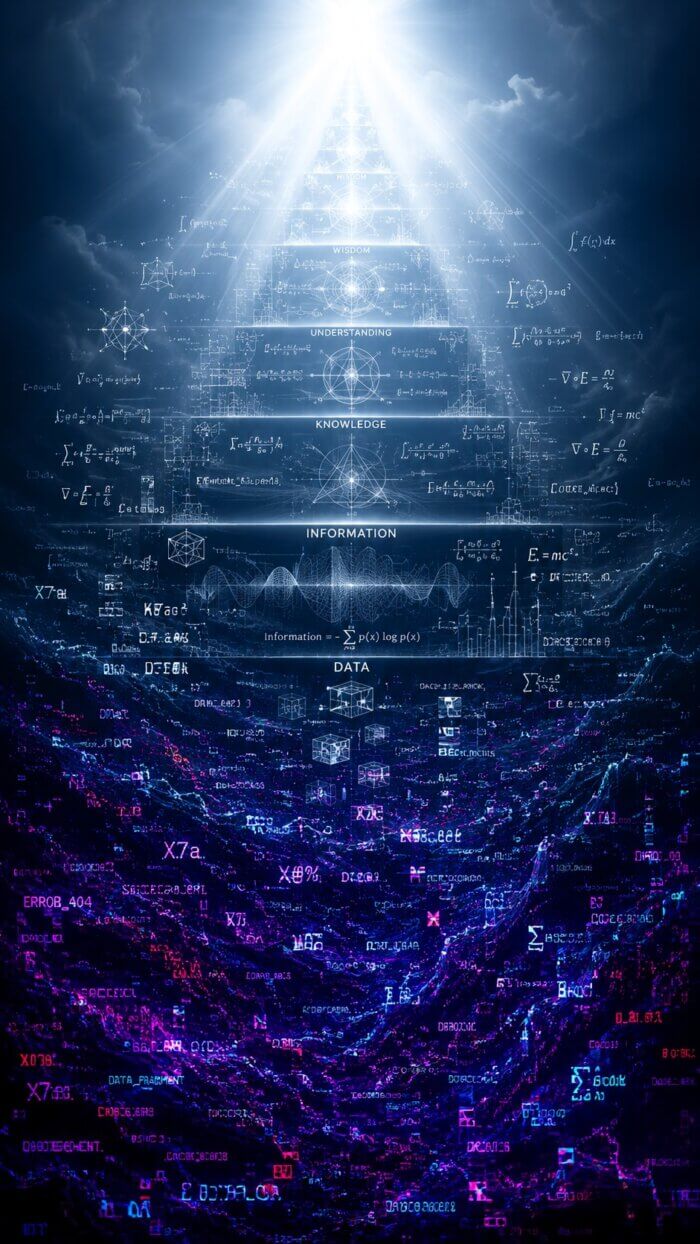
Breakdown of topics
1. The entry: The dilemma with a big word
- The everyday phenomenon: How we use the word ‘truth’ on a daily basis (‘Tell me the truth’, ‘Scientificly proven’, ‘My truth’).
- Truth vs. reality:
- The reality: What exists and happens independently of us (e.g. the rain).
- The truth: A characteristic of our statements, figures and models about this reality.
- The term check (the demarcation):
- Truth: Consistency of a statement with reality.
- Knowledge: A true statement based on reliable evidence – without the claim of absolute infallibility.
- Certainty: The purely personal sense of security (Can be deceiving!).
- Honesty: Tell them what you think is true.Does not protect against error).
- The spectrum of deception: The subtle differences between lies, error, misinformation and deception.
2. Block I: Logic, Prerequisites & Natural Science
- Mathematical Truth (The World of Systems):
- Truth through logical derivation from axioms.
- The triangle example: Why $180^\circ$ angular sum on a flat plane and $270^\circ$ on a ball are not a contradiction, but depend on the prerequisites.
- The nerd excursion (Kurt Gödel): Why formal provability and truth are not completely identical even in mathematics.
- Physical Truth (The World of Models):
- Science does not prove absolutely, but seeks empirical evidence through measurement and experimentation.
- The Newton-Einstein example: Theories as provisionally best approximations within certain limits.
- The measurement uncertainty: Why scientific honesty means making uncertainties transparent and measurable (criterion of falsifiability).
3. Block II: The Philosophical Toolbox
- The three perspectives on statements:
- Subjective: The purely personal experience ("I'm cold").
- Lens: Applicable independently of the person (‘It is 17 °C’).
- Intersubjective: Under common rules for several people comprehensible (Testing with calibrated thermometers).
- The classical truth theories in the hardness test:
- Correspondence: The direct correspondence with reality (the cup on the table – measured with the theodolite).
- Coherence: The freedom of contradiction in a system (The circumstantial puzzle). The problem: Even a crime novel can be perfectly logical, but freely invented.
- Pragmatism: Permanent probation in practice. The problem: A lucky charm can really calm down without possessing supernatural powers.
- Consensus: The agreement of reasonable parties under ideal, non-compulsory conditions (consensus as an indication, not as a substitute for evidence).
4. Block III: Everyday life, media & social power
- My Truth vs Interpretation: Why feelings (like fear at night) are real as an experience, but the interpretation of their cause (the cat vs. the burglar) can still be wrong.
- Social constructs (institutional reality): Why things like money, borders or property do not exist out of mere fantasy, but because we institutionally secure them and collectively act on them.
- Legal vs. historical truth: The disparity between what actually happened and what can be considered proven in court proceedings under strict rules (e.g. acquittal for lack of evidence).
- Framing (the manipulative truth): Why one does not have to explicitly lie in order to distort the truth (The example of ‘100%increase from 1 to 2 cases).
- Truth and Power: How power structures influence which versions of reality are publicly visible, disseminated and socially recognized.
5. The final: The critical toolbox for practice
- The 5 test questions for everyday life:
- What kind of statement is that? (Fact, opinion, feeling, interpretation or prognosis?)
- How can it be tested? (Are there data, documents or intersubjective procedures?)
- How reliable is the source? (Is there self-interest or independent confirmation?)
- What uncertainty remains? (Have gaps been openly identified?)
- What information could change my mind? (The test against one's own Confirmation Bias).
- Final thought: A plea for clean separation in one's own head: What do I know? What do I suspect? What did I feel? And where can I honestly say: I don't know yet.
- Interaction / Call to Action: The final questions to listeners for discussion in the comments.


Advertising:
Related episodes:
Contributors to this episode


Playing time: 0:33:47
Date of admission: 19.07.26
This episode is from season 4, there are a total of 4 seasons.
One According to Funk Publication Cartel Production - Where stories are transmitted unmistakably.
Podcast license:

This work is licensed under a Creative Commons Attribution-NonCommercial-ShareAlike 4.0 International License

Note: This post contains affiliate links. If you shop through these links, I'll get a small commission at no extra cost to you.


 English