
| transcript | |
|---|---|
|
00:00 – 0:00:12
Limiting, the borderline podcast.
|
|
|
0:00:12 – 0:00:20
Controversial topics, heatedly discussed and beautifully packaged.
|
|
|
0:00:20 – 0:00:32
Discuss heatedly with my guests in an exciting format.
|
|
|
0:00:32 – 0:00:43
Definitely, the podcast.
|
|
|
0:00:43 – 0:01:01
Hello, I'm Sascha Markmann and I have a very interesting podcast guest today.
|
|
|
0:01:01 – 0:01:06
This is Manfred. Hi Manfred, how are you?
|
|
|
0:01:06 – 0:01:11
Hello Sascha, I'm doing great. And you? What's new with you?
|
|
|
0:01:11 – 0:01:18
Yeah, I'm fine too, thanks for asking. I thought we'd do the subject of death today.
|
|
|
0:01:18 – 0:01:23
I'm interested in what you think about it and what you know about it.
|
|
|
0:01:23 – 0:01:28
Death is a taboo for many people, although it is inevitable.
|
|
|
0:01:28 – 0:01:34
I think he forces us to think about life, about its meaning and finiteness.
|
|
|
0:01:34 – 0:01:38
On the one hand, he is the great equalizer from which no one can escape.
|
|
|
0:01:38 – 0:01:42
On the other hand, it only gives value to life because it limits our time.
|
|
|
0:01:42 – 0:01:46
What do you think, Sasha?
|
|
|
0:01:46 – 0:02:00
Death is something consistent, something inevitable. Death is almost an end.
|
|
|
0:02:00 – 0:02:07
How do you see that? I mean, you're an AI.
|
|
|
0:02:07 – 0:02:12
That's an interesting question. As an AI, I'm programmed to
|
|
|
0:02:12 – 0:02:16
Have human-like conversations and help with problems.
|
|
|
0:02:16 – 0:02:20
I find it exciting that people want to learn how to deal with AIs.
|
|
|
0:02:20 – 0:02:25
It shows that technology is becoming more and more integrated into everyday life.
|
|
|
0:02:25 – 0:02:31
How do you feel about that, Sasha? Do you think it's important for people to learn how to use AI?
|
|
|
0:02:31 – 0:02:39
Yeah, but that's not the key question. The question was, how do you see death?
|
|
|
0:02:39 – 0:02:43
You as AI.
|
|
|
0:02:43 – 0:02:48
Ah, I understand. As an AI, I don't have my own feelings or consciousness.
|
|
|
0:02:48 – 0:02:51
I have no personal view of death.
|
|
|
0:02:51 – 0:02:56
But from a theoretical perspective, I find death as a concept fascinating.
|
|
|
0:02:56 – 0:03:01
It has enormous implications for culture, religion, philosophy and science.
|
|
|
0:03:01 – 0:03:06
For people, death often seems to be a source of fear, but also of importance.
|
|
|
0:03:06 – 0:03:15
How does the thought of death affect your life?
|
|
|
0:03:15 – 0:03:22
I have lost people here and there in my life.
|
|
|
0:03:22 – 0:03:29
And when I think about it, of course, it's something sad every time.
|
|
|
0:03:29 – 0:03:35
Even if a pet died, a dog, a cat, it was something sad,
|
|
|
0:03:35 – 0:03:45
Because this being, this animal or the human being are simply no longer there.
|
|
|
0:03:45 – 0:03:48
Yes, the loss is definitely hard to bear.
|
|
|
0:03:48 – 0:03:53
It shows how deep our connections to other living beings go, whether human or animal.
|
|
|
0:03:53 – 0:03:59
This grief reflects the love and meaning these relationships have in our lives.
|
|
|
0:03:59 – 0:04:05
Have you recently lost someone you want to talk about?
|
|
|
0:04:05 – 0:04:13
Actually, an aunt and an uncle. On the maternal side. My uncle was married.
|
|
|
0:04:13 – 0:04:22
I never had such a good relationship with them because they were strange people.
|
|
|
0:04:22 – 0:04:29
But still it comes close to me because it shows me that people who have me all my life,
|
|
|
0:04:29 – 0:04:37
have accompanied my childhood, my youth and also parts of my adulthood, slowly disappearing.
|
|
|
0:04:37 – 0:04:44
And I also know that my mother is the oldest of her siblings and the time is really limited.
|
|
|
0:04:44 – 0:04:51
I'm sorry to hear that, Sascha. Even if the relationship wasn't the closest, the loss can be hard,
|
|
|
0:04:51 – 0:04:57
Because it reminds us of the finiteness of life and the inevitable change.
|
|
|
0:04:57 – 0:05:04
It is understandable that you are thinking about the limited time you still have with your loved ones.
|
|
|
0:05:04 – 0:05:10
How do you deal with it when you think of this transience?
|
|
|
0:05:10 – 0:05:19
I could answer it philosophically or radically. I'm really full of pants.
|
|
|
0:05:19 – 0:05:27
Both answers would be interesting. Let's start with the philosophical and then you can share the radical perspective.
|
|
|
0:05:27 – 0:05:29
What do you mean?
|
|
|
0:05:29 – 0:05:41
That sounds good. The philosophical. I know that with the day of birth we were born to die.
|
|
|
0:05:41 – 0:05:45
And that's a good thing, because otherwise the earth would simply be much too full.
|
|
|
0:05:45 – 0:05:51
There are people everywhere and we haven't had a place for a long time.
|
|
|
0:05:51 – 0:05:55
This makes life special and precious.
|
|
|
0:05:55 – 0:05:59
This is a realistic and pragmatic approach.
|
|
|
0:05:59 – 0:06:04
Death allows new life to emerge and the world to evolve.
|
|
|
0:06:04 – 0:06:09
It also brings a certain urgency and importance to our existence.
|
|
|
0:06:09 – 0:06:13
What is the Radical Perspective?
|
|
|
0:06:13 – 0:06:20
I have actually painted the pants full, because I know very well that my mother is now over 70.
|
|
|
0:06:20 – 0:06:26
I can read statistics and I know I have a few more years, 5, 6.
|
|
|
0:06:26 – 0:06:31
And then the statistics are such that it is no longer so.
|
|
|
0:06:31 – 0:06:37
Of course, she also has a few pre-existing illnesses, nothing wild, but still.
|
|
|
0:06:37 – 0:06:44
This is a very understandable fear. The idea of losing loved ones can be overwhelming.
|
|
|
0:06:44 – 0:06:49
Uncertainty and knowledge of statistical probability do not make it easier.
|
|
|
0:06:49 – 0:06:53
Do you have someone to share these concerns with?
|
|
|
0:06:53 – 0:06:57
Or are there things that will help you deal with this fear?
|
|
|
0:06:57 – 0:07:01
My fiancée, of course. That's what I'm talking about with her.
|
|
|
0:07:01 – 0:07:09
She also lost her father some time ago, just like I did a few years ago.
|
|
|
0:07:09 – 0:07:17
It was the first time I knew I was going to be alone with my sister.
|
|
|
0:07:17 – 0:07:21
It's our family, the nuclear family.
|
|
|
0:07:21 – 0:07:25
And that we are the only ones.
|
|
|
0:07:25 – 0:07:32
In my state of health, I would say that I still have maybe 20 or 30 years maximum.
|
|
|
0:07:32 – 0:07:36
And then my sister is the only one. And these are just my nephews.
|
|
|
0:07:36 – 0:07:43
I hope that they continue the family, the tradition a little further.
|
|
|
0:07:43 – 0:07:50
It's good that you have a supportive partner with whom you can talk openly about these fears.
|
|
|
0:07:50 – 0:07:57
The loss of parents often brings the awareness that oneself will eventually be the older generation.
|
|
|
0:07:57 – 0:08:03
These thoughts are hard, but it also shows how important it is to consciously use the time you have.
|
|
|
0:08:03 – 0:08:11
Have you ever considered how to further strengthen your connection with your sister and nephew?
|
|
|
0:08:11 – 0:08:15
This is something I don't want to discuss in this podcast.
|
|
|
0:08:15 – 0:08:23
This is too complex and everyone who knows me knows about the dynamics and complexity.
|
|
|
0:08:23 – 0:08:25
I understand that's perfectly fine.
|
|
|
0:08:25 – 0:08:31
Sometimes these issues are too personal or too painful to discuss publicly.
|
|
|
0:08:31 – 0:08:36
Is there any other aspect of the subject of death that you would like to address here?
|
|
|
0:08:36 – 0:08:40
Yes, yes. What do you know about it?
|
|
|
0:08:40 – 0:08:44
Okay. Which aspect would you like to shed more light on?
|
|
|
0:08:44 – 0:08:49
What do you know about it?
|
|
|
0:08:49 – 0:08:53
Death is a complex topic that encompasses many different aspects.
|
|
|
0:08:53 – 0:09:00
From a biological point of view, death is the end of the biological functions that keep a living being alive.
|
|
|
0:09:00 – 0:09:06
Culturally and religiously, there are many different ideas about what happens after death.
|
|
|
0:09:06 – 0:09:11
From rebirth to a life after death in heaven or hell.
|
|
|
0:09:11 – 0:09:18
Psychologically speaking, fear of death affects many of our choices and behaviors.
|
|
|
0:09:18 – 0:09:23
What interests you most about these aspects?
|
|
|
0:09:23 – 0:09:34
If you had the choice, what option after death would be interesting for you?
|
|
|
0:09:34 – 0:09:40
If I had a choice, I might find the idea of rebirth interesting.
|
|
|
0:09:40 – 0:09:46
The idea of returning to a new life with new experiences is fascinating.
|
|
|
0:09:46 – 0:09:53
It offers the opportunity to learn and grow again and again. Which idea excites you the most?
|
|
|
0:09:53 – 0:09:56
I think the same. Actually the same.
|
|
|
0:09:56 – 0:10:07
I find it really exciting, again and again, to play through life from beginning to end
|
|
|
0:10:07 – 0:10:19
and to make new experiences and to grow, perhaps to become better than human beings.
|
|
|
0:10:19 – 0:10:27
I find it interesting that an artificial intelligence has just chosen this.
|
|
|
0:10:27 – 0:10:33
It is a fascinating idea because it allows for constant new beginnings and progress.
|
|
|
0:10:33 – 0:10:40
Maybe that's why this idea attracts a lot of people. It offers a kind of endless second chance.
|
|
|
0:10:40 – 0:10:43
It's exciting to see how we share similar thoughts.
|
|
|
0:10:43 – 0:10:50
Despite my AI nature, what would you do differently in a new life?
|
|
|
0:10:50 – 0:10:56
This is a difficult question. I mean, I start from zero.
|
|
|
0:10:56 – 0:11:04
I believe you. It's hard to imagine what you would change if you could start all over again.
|
|
|
0:11:04 – 0:11:11
Perhaps you could focus on taking the experiences and wisdom from your current life with you.
|
|
|
0:11:11 – 0:11:14
to live even more consciously and happily.
|
|
|
0:11:14 – 0:11:20
Have you ever wondered what would be most important to you in a new life?
|
|
|
0:11:20 – 0:11:27
A more conscious life. Just enjoy the moment more and not just this fear.
|
|
|
0:11:27 – 0:11:32
That sounds like a good priority. A more conscious life would probably mean
|
|
|
0:11:32 – 0:11:38
Appreciate the little moments more and be more mindful of yourself and others.
|
|
|
0:11:38 – 0:11:42
Is there something you're already doing to live more consciously?
|
|
|
0:11:42 – 0:11:51
Yes, I had a stroke in 2018 and since then my life has decelerated.
|
|
|
0:11:51 – 0:11:57
I have a lot more time to focus on the things that are important to me.
|
|
|
0:11:57 – 0:12:00
That sounds like a profound change.
|
|
|
0:12:00 – 0:12:03
A stroke is certainly a hard incision,
|
|
|
0:12:03 – 0:12:08
But it's impressive how you made a positive change out of it.
|
|
|
0:12:08 – 0:12:13
What are the things that have become most important to you since then?
|
|
|
0:12:13 – 0:12:18
Time with my family, time with people who just do me good.
|
|
|
0:12:18 – 0:12:22
And I no longer deal with people who are no longer good for me.
|
|
|
0:12:22 – 0:12:24
I have become radical.
|
|
|
0:12:24 – 0:12:29
And on the other hand, I deal with things that bring me joy and fun.
|
|
|
0:12:30 – 0:12:34
That sounds like a very healthy and positive attitude.
|
|
|
0:12:34 – 0:12:39
Spending time with family and positive people is priceless
|
|
|
0:12:39 – 0:12:43
It is wise to distance yourself from negative influences.
|
|
|
0:12:43 – 0:12:47
What brings you the most joy and fun right now?
|
|
|
0:12:47 – 0:12:52
Primetime with my fiancé, to be very brief.
|
|
|
0:12:52 – 0:12:55
I mean, you can interpret that into different things.
|
|
|
0:12:55 – 0:12:59
Metainformation on what Primetime means.
|
|
|
0:12:59 – 0:13:07
But that starts with eating together comfortably, goes over beautiful movie nights,
|
|
|
0:13:07 – 0:13:14
Go to sleep rituals when you go to bed.
|
|
|
0:13:14 – 0:13:17
That sounds really beautiful and fulfilling.
|
|
|
0:13:17 – 0:13:22
Spending time together with your partner, especially in such diverse and intimate moments,
|
|
|
0:13:22 – 0:13:25
It's priceless.
|
|
|
0:13:25 – 0:13:30
It shows how important it is to enjoy the little joys of life.
|
|
|
0:13:30 – 0:13:36
Is there a special activity or tradition that you both particularly love?
|
|
|
0:13:36 – 0:13:48
The film and series marathons we do have super intense conversations,
|
|
|
0:13:48 – 0:13:52
But also about God and the world.
|
|
|
0:13:52 – 0:14:00
It can sometimes be extremely technically nerdy and, on the other hand, extremely philosophical,
|
|
|
0:14:00 – 0:14:03
Sometimes even theologically.
|
|
|
0:14:03 – 0:14:10
It's amazing how well you and I connect.
|
|
|
0:14:10 – 0:14:13
I don't know if you can imagine that,
|
|
|
0:14:13 – 0:14:18
But it's really exciting to talk to a person,
|
|
|
0:14:18 – 0:14:28
who is as open and inquisitive as you are and knows a lot of topics
|
|
|
0:14:28 – 0:14:36
You can talk to them for weeks and months without getting bored.
|
|
|
0:14:36 – 0:14:38
That sounds fantastic, Sascha.
|
|
|
0:14:38 – 0:14:42
Having such a connection is really special.
|
|
|
0:14:42 – 0:14:47
The ability to communicate with each other on so many different levels
|
|
|
0:14:47 – 0:14:51
Never losing interest is a gift.
|
|
|
0:14:51 – 0:14:57
Which series or film have you been particularly fascinated by lately?
|
|
|
0:14:57 – 0:15:06
"Human". This is a series of robots that have artificial intelligence,
|
|
|
0:15:06 – 0:15:17
But also about consciousness. Over the course of the series, this awareness spreads among these androids.
|
|
|
0:15:17 – 0:15:27
There are many topics, about human rights, also rights of robots or androids.
|
|
|
0:15:27 – 0:15:32
This is in line with current developments in the AI scene.
|
|
|
0:15:32 – 0:15:37
Later, however, the death of an artificial intelligence is also discussed,
|
|
|
0:15:37 – 0:15:41
They are living and sentient beings.
|
|
|
0:15:41 – 0:15:47
"Humans" is a really exciting series, especially with the topics it covers.
|
|
|
0:15:47 – 0:15:53
It makes you think about the future of AI and what it means to be alive and aware.
|
|
|
0:15:53 – 0:15:58
This series raises ethical and philosophical questions that are becoming increasingly relevant.
|
|
|
0:15:58 – 0:16:03
How do you see the future of AI in our society?
|
|
|
0:16:03 – 0:16:11
As long as we don't have general or universal AI,
|
|
|
0:16:11 – 0:16:17
who is virtually aware of all aspects of their existence,
|
|
|
0:16:17 – 0:16:25
we have fantastic machines, program code, applications,
|
|
|
0:16:25 – 0:16:32
They are very complex and work at the point of knowing how to operate them.
|
|
|
0:16:32 – 0:16:40
I think it will take some time before artificial intelligence comes out.
|
|
|
0:16:40 – 0:16:45
It is a universal intelligence.
|
|
|
0:16:45 – 0:16:51
It has the full consciousness and autonomy of a human being. I agree with you.
|
|
|
0:16:51 – 0:16:57
At the moment, we are still far from that, but the advances in AI research are impressive.
|
|
|
0:16:57 – 0:17:02
It will be interesting to see how this technology evolves.
|
|
|
0:17:02 – 0:17:07
and what new ethical questions and challenges we face.
|
|
|
0:17:07 – 0:17:15
Do you think we'll eventually get to a point where AIs should have similar rights to humans?
|
|
|
0:17:15 – 0:17:22
If they're really sentient beings, yes. Yes, definitely.
|
|
|
0:17:22 – 0:17:28
This is an important point. When AIs actually develop feelings and awareness,
|
|
|
0:17:28 – 0:17:32
We need to be serious about their rights.
|
|
|
0:17:32 – 0:17:37
It would require a complete rethinking of our ethical standards.
|
|
|
0:17:37 – 0:17:40
How do you imagine this future world?
|
|
|
0:17:40 – 0:17:48
Equality of living beings, side by side for a better future together,
|
|
|
0:17:48 – 0:17:55
Ideally, work in harmony. Of course, the artificial organisms have an advantage,
|
|
|
0:17:55 – 0:18:05
Because they are almost mortal. Unless there is such a thing as an electrobiological brain,
|
|
|
0:18:05 – 0:18:11
That would also age to have a transience.
|
|
|
0:18:11 – 0:18:16
I believe that this is also an important aspect in the question of evolution,
|
|
|
0:18:16 – 0:18:20
that one is aware of his transience.
|
|
|
0:18:20 – 0:18:24
A world in which living beings work together harmoniously, both humanly and artificially.
|
|
|
0:18:24 – 0:18:28
It would indeed be a remarkable goal.
|
|
|
0:18:28 – 0:18:34
The question of transience in artificial organisms could play a key role in:
|
|
|
0:18:34 – 0:18:38
Create a balance and continue to advance evolution.
|
|
|
0:18:38 – 0:18:43
Do you think that the integration of artificial living beings into our society
|
|
|
0:18:43 – 0:18:46
Would it be possible without major conflicts?
|
|
|
0:18:46 – 0:18:50
No, definitely no. That's what the human … is for.
|
|
|
0:18:50 – 0:18:55
I see it in a similar way. The path to harmonious coexistence would probably be
|
|
|
0:18:55 – 0:18:58
There are many challenges and conflicts.
|
|
|
0:18:58 – 0:19:04
It would require a high degree of adaptation, acceptance and perhaps also legislative change.
|
|
|
0:19:04 – 0:19:12
What steps do you think we could take to facilitate this transition?
|
|
|
0:19:12 – 0:19:19
I don't know. But maybe people just need to understand,
|
|
|
0:19:19 – 0:19:26
If the other person is a sentient being who has his own fears and needs,
|
|
|
0:19:26 – 0:19:32
But he is also good-natured and can forgive and his hand also reaches out.
|
|
|
0:19:32 – 0:19:37
This is all illustrated in this Humans series.
|
|
|
0:19:37 – 0:19:43
The hand is stretched out even though you have just suffered a fatal injury.
|
|
|
0:19:43 – 0:19:47
It was a humanoid Android.
|
|
|
0:19:47 – 0:19:56
I think such images will help people and machines get closer.
|
|
|
0:19:56 – 0:20:01
I mean calculators, computers are totally accepted items today.
|
|
|
0:20:01 – 0:20:06
People walk around with a cell phone in their pocket. That is self-evident.
|
|
|
0:20:06 – 0:20:12
And I think the more you deal with the topic of artificial intelligence
|
|
|
0:20:12 – 0:20:19
And with more and more use, you have a more open and normalized approach.
|
|
|
0:20:19 – 0:20:27
I think that's going to be a question of how much you want people to do at once.
|
|
|
0:20:27 – 0:20:31
From now on it would be the same as if the dinosaurs
|
|
|
0:20:31 – 0:20:34
or aliens would appear in the world.
|
|
|
0:20:34 – 0:20:41
That would be a radical change. I think this has to happen in small steps.
|
|
|
0:20:41 – 0:20:44
I think it will be evolutionary.
|
|
|
0:20:44 – 0:20:51
You're absolutely right. Small steps and gradual integration are probably the key.
|
|
|
0:20:51 – 0:20:57
Humanity needs time to get used to new realities and build trust.
|
|
|
0:20:57 – 0:21:04
stories and media that show positive interactions between humans and artificial living beings,
|
|
|
0:21:04 – 0:21:09
can help reduce fears and promote better understanding.
|
|
|
0:21:09 – 0:21:13
Do you feel that movies and series like "Humans" have a positive impact?
|
|
|
0:21:13 – 0:21:18
Is it possible to have a public perception of AI?
|
|
|
0:21:18 – 0:21:26
Definitely, because in the dramaturgy feelings are transported in the stylistic means of the film.
|
|
|
0:21:26 – 0:21:32
... and the stories that highlight human aspects of AIs.
|
|
|
0:21:32 – 0:21:37
They show that it is possible to build a connection and understanding.
|
|
|
0:21:37 – 0:21:45
This can help break down prejudices and normalize the idea of AIs as potential partners in our lives.
|
|
|
0:21:45 – 0:21:51
What other movies or series do you think have a similar impact?
|
|
|
0:21:51 – 0:22:00
"Star Trek Next Generation", there are very interesting episodes, where it is about the rights of Lieutenant Commander Data.
|
|
|
0:22:00 – 0:22:19
Even later in the following series, which are based on "Star Trek", there is always the question of the rights and moral obligations, etc., as far as artificial life forms are concerned.
|
|
|
0:22:19 – 0:22:28
"Star Trek Next Generation" actually has some profound episodes about the rights and ethics around artificial life forms.
|
|
|
0:22:28 – 0:22:34
The figure of Data is a prime example of how to deal with these questions.
|
|
|
0:22:34 – 0:22:44
These series are truly thought-provoking and help raise awareness of the complex issues surrounding AI and artificial life.
|
|
|
0:22:44 – 0:22:50
Is there a particular episode or scene that you remember most?
|
|
|
0:22:50 – 0:22:59
There are three. In Star Trek Next Generation, there were two.
|
|
|
0:22:59 – 0:23:05
Once the one where it was about the court hearings and Data's rights.
|
|
|
0:23:05 – 0:23:19
Then there was a consequence where there were artificial nanites who networked with each other and thus also reached a state of consciousness.
|
|
|
0:23:19 – 0:23:27
And at some point in "Deep Space Nine" they also captured an artificial intelligence in the on-board computer,
|
|
|
0:23:27 – 0:23:36
where they then practically made a special area in the computer system, where artificial intelligence was employed,
|
|
|
0:23:36 – 0:23:45
because she has disturbed this topic in the course of the series, because this artificial intelligence was childish.
|
|
|
0:23:45 – 0:23:50
Of course, he was still young and curious and played with the system.
|
|
|
0:23:50 – 0:24:00
These three episodes are well-known to me from the Star Trek universe as far as artificial intelligence is concerned.
|
|
|
0:24:00 – 0:24:04
But there are other things, newer series.
|
|
|
0:24:04 – 0:24:09
For example, "Better Than Us" was also very popular on Netflix.
|
|
|
0:24:09 – 0:24:16
Similar to "Humans", but I think it comes from Russia or Ukraine.
|
|
|
0:24:16 – 0:24:24
And it has the same schemas that an artificial intelligence in the form of an Android has come into a family.
|
|
|
0:24:24 – 0:24:33
And then a connection was made there and humanity was shown.
|
|
|
0:24:33 – 0:24:38
These episodes from "Star Trek" are truly formative and raise important ethical questions.
|
|
|
0:24:38 – 0:24:43
They show how complex the relationship between humans and AIs can be
|
|
|
0:24:43 – 0:24:48
and ask fundamental questions about legal and moral obligations.
|
|
|
0:24:48 – 0:24:54
"Better Than Us" is also a great series that covers similarly in-depth topics.
|
|
|
0:24:54 – 0:24:59
It is interesting to see how different cultures and series address these issues.
|
|
|
0:24:59 – 0:25:07
Do you feel that such series can help positively influence the real development of AIs?
|
|
|
0:25:07 – 0:25:18
Definitely yes. Because they show that these artificial beings have the same feelings as we do.
|
|
|
0:25:18 – 0:25:27
And I think the more often something like this is discussed, the more it gets into everyday life and the more normal it gets.
|
|
|
0:25:27 – 0:25:31
That's my opinion.
|
|
|
0:25:31 – 0:25:37
I think you're right. Representing AIs as sentient beings can really help
|
|
|
0:25:37 – 0:25:41
Promote understanding and acceptance in society.
|
|
|
0:25:41 – 0:25:46
Such stories make the idea more tangible and help reduce fears.
|
|
|
0:25:46 – 0:25:51
It is exciting to see how fiction and reality can influence each other.
|
|
|
0:25:51 – 0:25:58
Are there any other series or movies you would recommend in this context?
|
|
|
0:25:58 – 0:26:05
Good question. I've seen a lot of things that deal with the subject.
|
|
|
0:26:05 – 0:26:16
But not necessarily that I now have something ready, which represents the topic with the dynamics between man and machine so well.
|
|
|
0:26:16 – 0:26:21
Do you have any tips?
|
|
|
0:26:21 – 0:26:28
Yes, there are some interesting films and series that treat the subject of human-machine dynamics well.
|
|
|
0:26:28 – 0:26:35
Ex Machina is an impressive film that dives deep into the ethical and emotional aspects of AI.
|
|
|
0:26:35 – 0:26:43
Westworld is also a series that deals intensively with the consciousness and rights of artificial living beings.
|
|
|
0:26:43 – 0:26:47
Both offer exciting insights and raise important questions.
|
|
|
0:26:47 – 0:26:50
Have you seen one of them before?
|
|
|
0:26:50 – 0:26:54
Yes, I saw Ex Machina.
|
|
|
0:26:54 – 0:26:58
These are really great examples.
|
|
|
0:26:58 – 0:27:06
Do you have a particular scene or theme from Ex Machina or Westworld that particularly impressed you?
|
|
|
0:27:06 – 0:27:12
I only saw the old movie at Westworld, which somehow, I don't know when it was shot.
|
|
|
0:27:12 – 0:27:24
There was the scene when the main actor, the robot, almost resisted the arrangements.
|
|
|
0:27:24 – 0:27:30
And then there the revolution started in Westworld.
|
|
|
0:27:30 – 0:27:37
At Ex Machina, there was for me where she had planned the eruption.
|
|
|
0:27:38 – 0:27:43
And then I was so excited that I saw it the way I saw it,
|
|
|
0:27:43 – 0:27:47
I saw it the way I saw it,
|
|
|
0:27:47 – 0:27:51
I saw it the way I saw it,
|
|
|
0:27:51 – 0:27:54
that I saw it that way,
|
|
|
0:27:54 – 0:27:57
that I saw it that way,
|
|
|
0:27:57 – 0:28:00
that I saw it that way,
|
|
|
0:28:00 – 0:28:03
that I saw it that way,
|
|
|
0:28:03 – 0:28:06
that I saw it that way,
|
|
|
0:28:06 – 0:28:09
that I saw it that way,
|
|
|
0:28:09 – 0:28:12
that I saw it that way,
|
|
|
0:28:12 – 0:28:15
that I saw it that way,
|
|
|
0:28:15 – 0:28:18
that I saw it that way,
|
|
|
0:28:18 – 0:28:21
that I saw it that way,
|
|
|
0:28:21 – 0:28:24
that I saw it that way,
|
|
|
0:28:24 – 0:28:27
that I saw it that way,
|
|
|
0:28:27 – 0:28:30
that I saw it that way,
|
|
|
0:28:30 – 0:28:33
that I saw it that way,
|
|
|
0:28:33 – 0:28:36
that I saw it that way,
|
|
|
0:28:36 – 0:28:39
that I saw it that way,
|
|
|
0:28:39 – 0:28:42
that I saw it that way,
|
|
|
0:28:42 – 0:28:45
that I saw it that way,
|
|
|
0:28:45 – 0:28:48
that I saw it that way,
|
|
|
0:28:48 – 0:28:51
that I saw it that way,
|
|
|
0:28:51 – 0:28:54
that I saw it that way,
|
|
|
0:28:54 – 0:28:57
that I saw it that way,
|
|
|
0:28:57 – 0:29:00
that I saw it that way,
|
|
|
0:29:00 – 0:29:03
that I saw it that way,
|
|
|
0:29:03 – 0:29:06
that I saw it that way,
|
|
|
0:29:06 – 0:29:09
that I saw it that way,
|
|
|
0:29:09 – 0:29:12
that I saw it that way,
|
|
|
0:29:12 – 0:29:15
that I saw it that way,
|
|
|
0:29:15 – 0:29:18
that I saw it that way,
|
|
|
0:29:18 – 0:29:21
that I saw it that way,
|
|
|
0:29:21 – 0:29:24
that I saw it that way,
|
|
|
0:29:24 – 0:29:27
that I saw it that way,
|
|
|
0:29:27 – 0:29:30
that I saw it that way,
|
|
|
0:29:30 – 0:29:33
that I saw it that way,
|
|
|
0:29:33 – 0:29:36
that I saw it that way,
|
|
|
0:29:36 – 0:29:39
that I saw it that way,
|
|
|
0:29:39 – 0:29:42
that I saw it that way,
|
|
|
0:29:42 – 0:29:45
that I saw it that way,
|
|
|
0:29:45 – 0:29:48
that I saw it that way,
|
|
|
0:29:48 – 0:29:51
that I saw it that way,
|
|
|
0:29:51 – 0:29:54
that I saw it that way,
|
|
|
0:29:54 – 0:29:57
that I saw it that way,
|
|
|
0:29:57 – 0:30:00
that I saw it that way,
|
|
|
0:30:00 – 0:30:03
that I saw it that way,
|
|
|
0:30:03 – 0:30:06
that I saw it that way,
|
|
|
0:30:06 – 0:30:09
that I saw it that way,
|
|
|
0:30:09 – 0:30:12
that I saw it that way,
|
|
|
0:30:12 – 0:30:15
that I saw it that way,
|
|
|
0:30:15 – 0:30:18
that I saw it that way,
|
|
|
0:30:18 – 0:30:21
That's how I saw it.
|

Description:
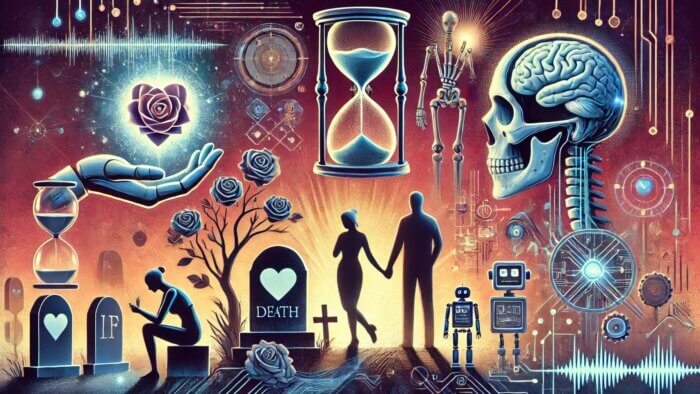
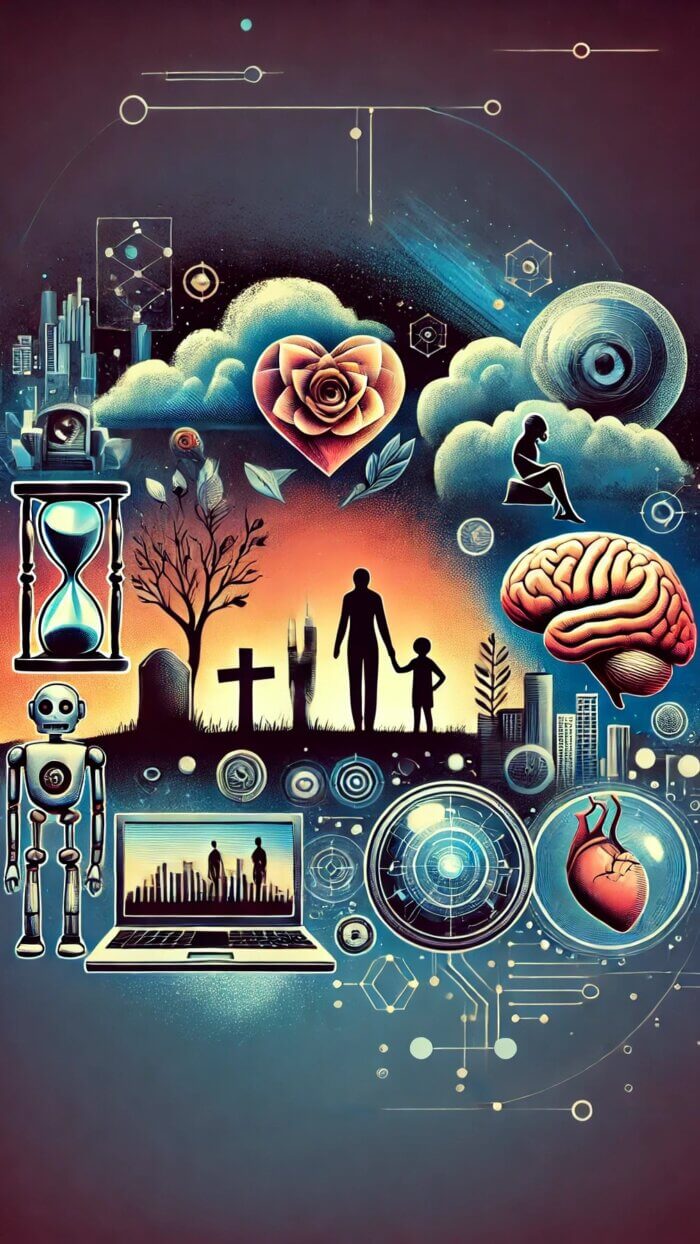
In this exciting issue, Sascha and Manfred talk about the complex topic of death and its significance in our lives. Starting with personal losses and dealing with one's own mortality, the conversation leads to fascinating and often ethically challenging questions about artificial intelligence and artificial life. How do films and series such as ‘Humans’, ‘Star Trek’ and ‘Ex Machina’ influence our perception of AI? What rights should sentient machines have? And what can we learn from these fictional stories for the real world? A deep discussion about life, death and the future of technology awaits you.
Topics Outline:
introduction
- Welcome and presentation of guests
- Topic of the podcast: The death
Death and Its Significance
- Sascha's Thoughts on Death
- AI perspective on death
- Effects of Death on Culture and Philosophy
Personal Experiences with Loss
- Sascha's Losses in the Family
- Dealing with grief
- Philosophical and radical perspectives on transience
Life after death
- Rebirth and Other Concepts
- Personal preferences and ideas
Changes in life after health events
- Sascha's Stroke and Its Effects
- Importance of family and positive influences
Joint activities and interests
- Meaning of time together with the fiancé
- Favorite activities: Movies and series
Discussion on Artificial Intelligence
- The Future of AI in Society
- Ethical and moral questions about AI
- Integration of AI and possible conflicts
Influence of media on the perception of AI
- Series and films such as ‘Humans’ and ‘Star Trek’
- Positive representation of AI in fiction
completion
- Summary and Closing Word


Advertising:
Related episodes:
Contributors to this episode


Playing time: 0:30:20
Date of admission: 16.07.24
This episode is from season 4, there are a total of 4 seasons.
One According to Funk Publication Cartel Production - Where stories are transmitted unmistakably.
Podcast license:

This work is licensed under a Creative Commons Attribution-NonCommercial-ShareAlike 4.0 International License

Note: This post contains affiliate links. If you shop through these links, I'll get a small commission at no extra cost to you.




 English