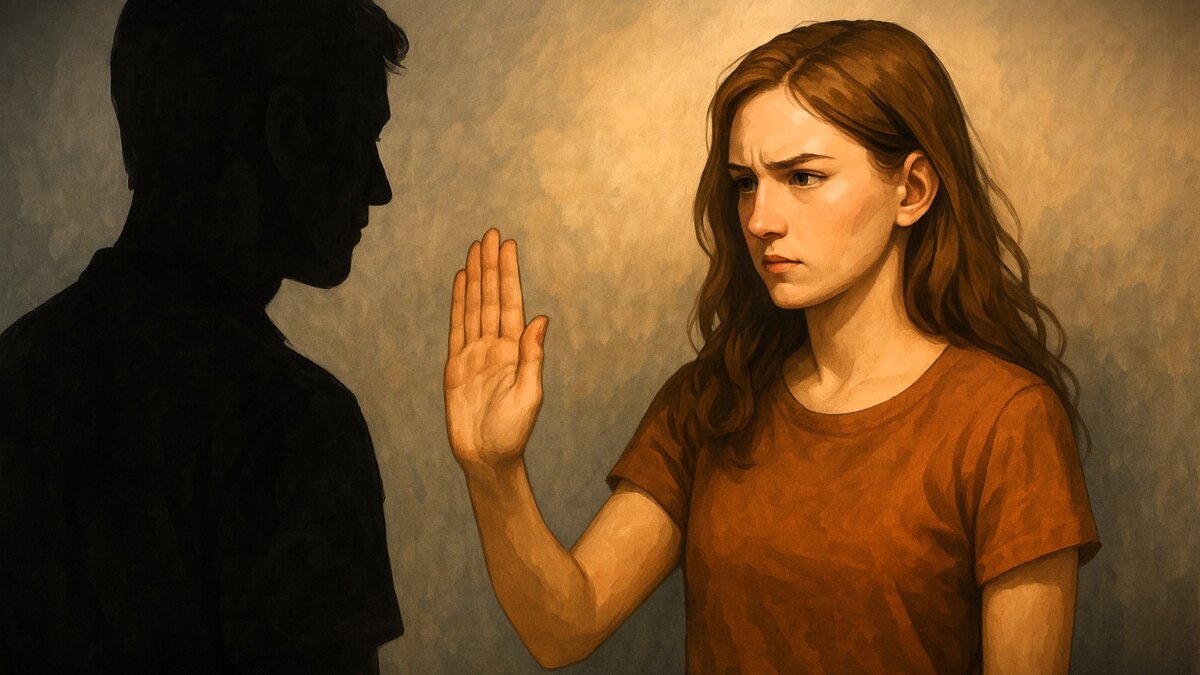
Why Setting Limits is Not Selfish

“Setting boundaries is not self-centeredness – it is self-respect. Learn how to draw healthy boundaries without developing feelings of guilt.”

Introduction:

Many of us have been brought up in such a way that it is considered rude or even selfish to say ‘no’. We should help, be friendly, be available – whenever possible and for everyone. You may know the feeling that a part of you feels guilty about rejecting a request or choosing yourself. But is it really selfish? Or maybe it's an act of Self-care, Which is long overdue?

Continue reading "Why setting boundaries is not selfish"

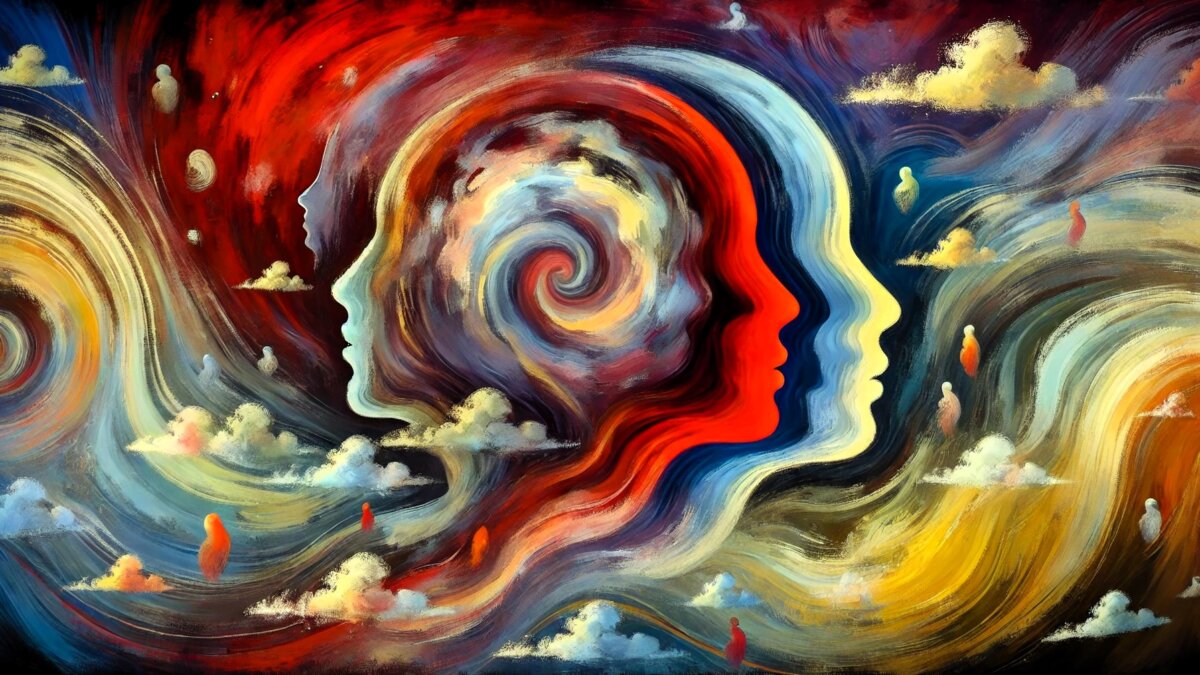
How do I recognize dissociation with myself or my partner?

“Recognize dissociation: If you or your partner suddenly experience ‘no longer there’. How to understand signs and how to deal with them sensitively.”

Introduction: Why it's important to recognize dissociation

Maybe you know those moments: You are sitting in a room full of people, but suddenly you feel invisible. You hear voices, but they sound like far away. Or you realize that you have driven a route by car without consciously remembering it. Such experiences can be frightening, especially if they occur more frequently. Maybe you're wondering: What's wrong with me?

Continue reading ‘How do I recognise dissociation with myself or my partner?’

Self-help in emotional chaos: Comprehensive tools for everyday use

“From anger to sadness: Discover simple tips to organise your emotional chaos and find inner peace – compact, understandable and suitable for everyday use.”

1. introduction

Do you know the feeling of being suddenly inundated by your emotions? Your heart beats faster, breathing becomes flat and you have the impression of losing the ground under your feet? Perhaps you feel anger, fear, sadness – or everything together at such moments. Many people feel powerless. Emotions are often considered unpredictable or even dangerous. But this view is only half the truth.

Continue reading “Self-help in emotional chaos: Comprehensive tools for everyday life’