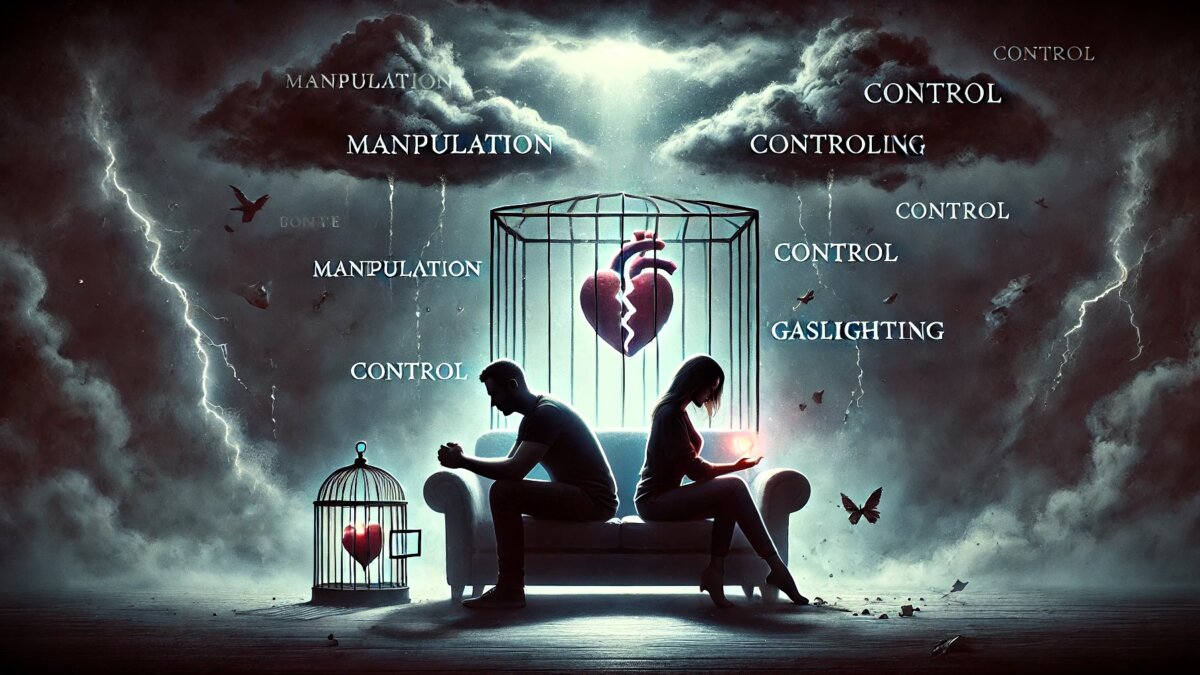
How to recognize emotional manipulation

‘Learn how to recognise emotional manipulation, understand typical tactics and clearly define yourself – for healthy, respectful relationships.’

introduction

Do you know the feeling that you suddenly feel guilty after a conversation without knowing exactly why? You haven't done anything wrong, and yet you doubt yourself. You may have spoken to a person who manipulates you – without you noticing. Emotional manipulation is often subtle, but it can have profound effects on our self-esteem and relationships. In this article, you'll learn how to recognize emotional manipulation, how to arrange it, and what to do about it.

Continue reading “How to recognise emotional manipulation”


Setting limits: How to Create Clarity in Relationships with Personality Disorders

“In relationships with personality disorders, boundaries often blur. This article will show you how to identify your needs, communicate clearly and protect yourself effectively – with many examples.”

introduction

Setting boundaries sounds simple at first – a clear ‘no’, a withdrawal when it becomes too much, or the need for time for oneself. In reality, however, this is often anything but easy. Especially in relationships with people who Personality disorder suffering – be it Borderline, narcissistic or Histrionic Personality disorder – the issue becomes even more complex. Why? Because in such relationships, emotional dynamics often occur that put clarity and stability to the test.

Continue reading ‘Set limits: How to create clarity in relationships with personality disorders’

First Aid for Difficult Relationship Moments

“How to keep a cool head in crisis situations – and meet your counterpart with heart”

Introduction: If's cracking - why we should be prepared

Relationships are among the most beautiful but also most challenging experiences of our lives. They give us closeness, security and deep connection, but they also bring with them misunderstandings, disputes and painful moments. Two people, two worlds of experience, two unique personalities meet. It is only natural that there are conflicts from time to time.

Continue reading "First Aid for Difficult Relationship Moments"

How do I recognize dissociation with myself or my partner?

“Recognize dissociation: If you or your partner suddenly experience ‘no longer there’. How to understand signs and how to deal with them sensitively.”

Introduction: Why it's important to recognize dissociation

Maybe you know those moments: You are sitting in a room full of people, but suddenly you feel invisible. You hear voices, but they sound like far away. Or you realize that you have driven a route by car without consciously remembering it. Such experiences can be frightening, especially if they occur more frequently. Maybe you're wondering: What's wrong with me?

Continue reading ‘How do I recognise dissociation with myself or my partner?’

How to Recognize and Solve Toxic Relationship Patterns in Partnership

“Discover how to identify and resolve toxic relationship patterns. With practical tips for self-reflection and communication on a healthy partnership.”

In every relationship, it's about growing together, supporting each other, and sharing love. But sometimes negative behavior patterns creep in, which can damage the relationship and cause emotional pain to both partners. In this article, we go into detail on the subject of toxic relationship patterns, explaining what this means, how they arise, and how to recognize them early on. In addition, we will present detailed examples, warning signals and concrete solutions that can help break down these harmful patterns and restore a healthy basis in the partnership. The path to change requires patience, courage and often external support – but it leads to a respectful and loving coexistence.

Continue reading “How to identify and solve toxic relationship patterns in the partnership”

What to do if your partner has borderline personality disorder?

“What to do if your partner suffers from borderline? Learn how to show understanding, set boundaries and strengthen your relationship with practical tips for everyday life and helpful support services.”

The challenges that can arise in a relationship with a partner suffering from borderline personality disorder (BPS) are diverse and often very complex. This blog post is designed to give you a comprehensive insight into why it's so important to understand this disorder, how to accept it, and how to deal constructively with the challenges. Because only those who understand what is going on in the partner can help meaningfully.

Continue reading “What to do if your partner has borderline personality disorder?”

Borderline and Narcissism: Why they dress and how to break through the dynamics

Borderline and narcissism – what connects them? Our guide reveals how destructive relationship patterns are broken through open communication and therapy. Discover the path to harmonious relationships!”

In the world of interpersonal relationships, sometimes two very intense and emotionally charged personality types meet: People with borderline personality traits and those with narcissistic traits. This constellation can seem fascinating at first glance, as it creates a seemingly magnetic attraction between the two sides. But behind this fascination is often a toxic interplay of closeness, control, emotional overwhelm and vulnerability. In this blog post, we want to shed light on the psychological dynamics of these relationships, highlight the frequently occurring patterns of conflict, and present solutions that can help break these destructive patterns.

Continue reading Borderline and Narcissism: Why they dress and how to break the dynamics”

Understanding Dissociation: Symptoms, triggers and ways to cope

‘Dissociation: When the experience feels unreal. Get insights into causes, symptoms and pathways back to the here and now.”

introduction

What is Dissociation?
dissociation It is a state in which people feel disconnected from their surroundings or feelings. This phenomenon can occur quite suddenly and often causes great discomfort. Sometimes it feels like living in a dream or the world is becoming ‘fake’ – one’s own self can fade into the background or one feels like an observer of one’s life rather than actively participating.

Continue reading “Understand dissociation: Symptoms, triggers and ways to cope’